Easy Listening
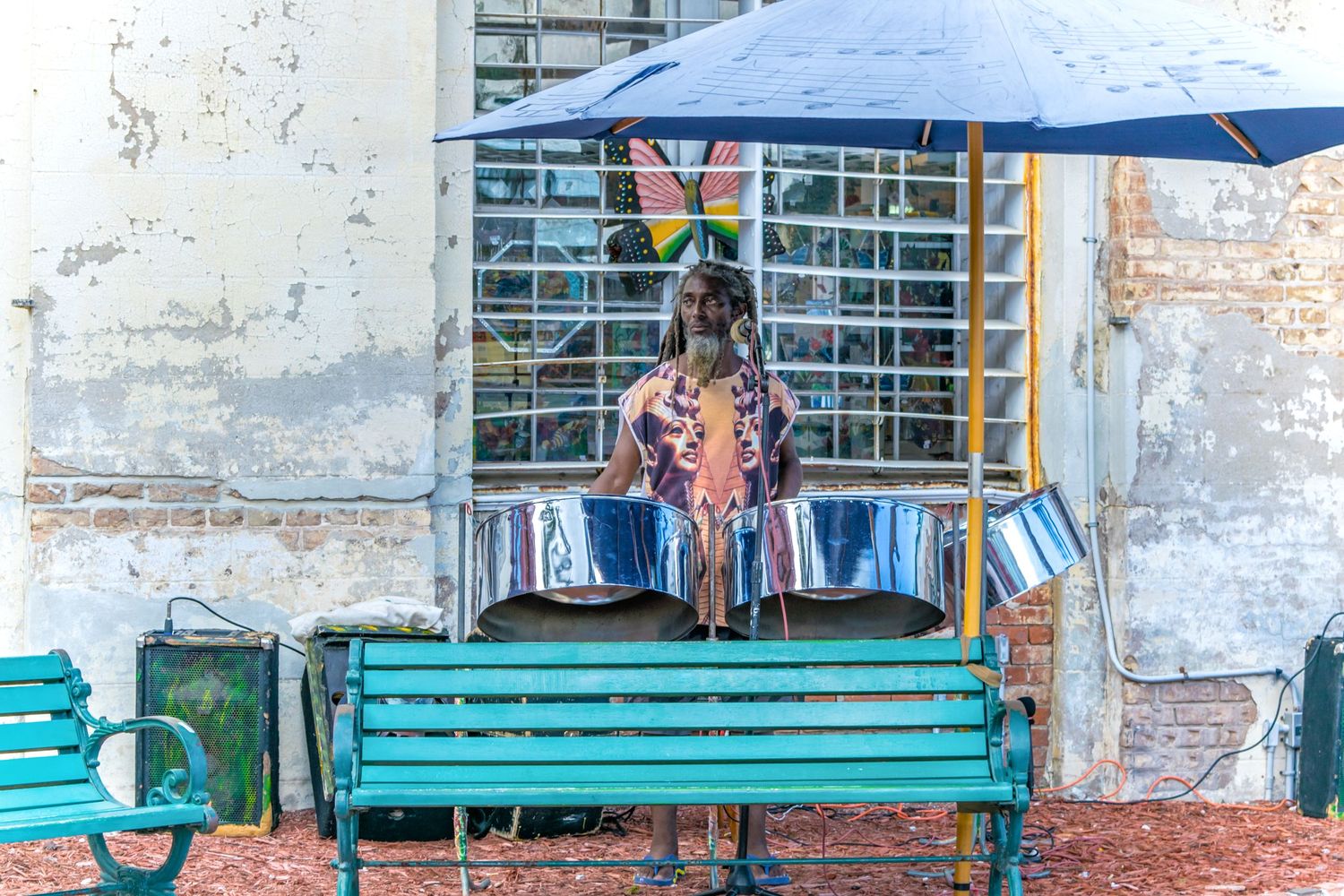
You're walking down the street, weaving through the sea of people, focused on getting to your destination when the sound of a steel pan interrupts your train of thought. You keep walking, listening to the talent of a street musician, reminiscing of when you heard the tuba player in Omaha, the saxophone player in Portland, or even the conga player in Caracas. Busking, or street performance, is the act of displaying artistic quality through actions in order to earn gratuities. Street performance is highly cultural, especially in the Caribbean. It comes with rewards and risks just as with other careers, and is an art that will adapt as technology pushes forward.
History of the Steel Pan
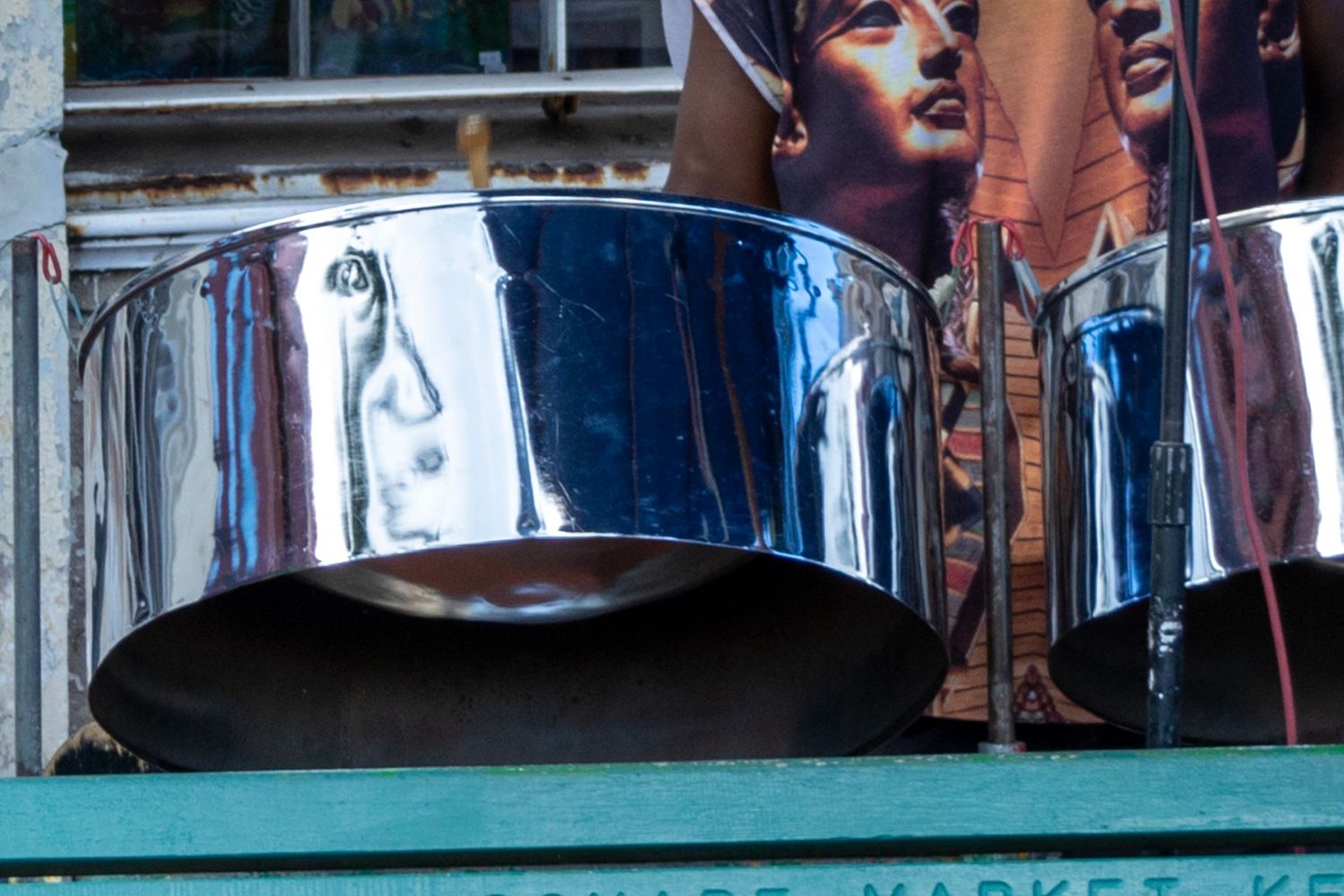
The steel pan is a unique instrument associated with Caribbean culture, and it all stemmed from slavery in Trinidad in the late 1700s. French planters arrived at this time with their slaves. The slaves lost all form of identity when they were brought to Trinidad. They were taken away from their homes and culture, and had to start anew. The slaves formed a new culture through celebrations, fueled by drum music. After slaves were freed with the emancipation in 1834, the music got louder as celebrations grew. Shortly afterwards, music was banned by the British government, which inspired Trinidadians to invent the steel pan.
This unique instrument, created out of scraps of metal found on the street, came to be an identifying factor of island sound. The world listened. In 1967, "Carrie Anne" by The Hollies featured a steel pan and the instrument became widely accepted in pop culture. Its exotic sound is easily recognizable, and while a lot of artists use it in their music today, it originates from an important purpose - giving slaves a new cultural identity.
The culture of music in the Caribbean brought together a variety of peoples. Caribbean islands were primarily taken over by the French, Dutch, English, and Spanish. The diverse backgrounds brought forth a style of cuisine, unique dialects of language, and more. Through music, these citizens of different backgrounds were able to communicate with each other, and the Caribbean culture was born.
Due to the fact that the steel pan was founded through creative thinking in an impoverished community, street performance utilizing the instrument is also a form of tradition. Imagine the groups of slaves coming together, performing music on scraps of metal found around the plantation where they lived. It created a sense of community amongst the enslaved individuals.
Modern Busking
As mentioned previously, there was a ban on traditional drum music enforced in 1834 by the British government in Trinidad. Buskers still face a plethora of hardships practicing their craft today such as police obstruction, earning income, and gaining the attention of crowds hardwired to their devices.
Since buskers play on the street, they are susceptible to noise complaints from neighbors and passersby. Once the police become involved in silencing the music, a busker is forced to stop performing. One can risk relocating and getting called on again, or they can call it quits for the day.
Obviously, one can conclude that this interferes with the buskers' income. Buskers have a hard enough time getting coins and bills dropped into their cash holds without the interruption. There is a general rule that few people follow: if you stop and listen to the music, you should pay. Instead, street performers find themselves playing for free to an audience because there is this idea embedded into our heads that they should find a "real" job where they make an hourly wage or salary.
Change of View
Let us think on that for a moment. We all pay for tickets to go see concerts, orchestras, symphonies, operas, the list goes on and on. We pay for entertainment every day, whether that is for your data plan on your phone, Wifi, streaming, cable, or so many other forms. We can certainly afford to drop a dollar into the hat of a busker displaying their talents to us in public.
It does not help that we are rarely paying attention to our surroundings. Whatever generation you are from, you have some kind of technological vice. A cell phone, laptop, tablet, MP3 player, they all serve as distractions to the world around us. Now, this is not an article criticizing your use of technology, but it is a huge factor into whether buskers are getting the attention they deserve. It adds a challenge to earning income for the performer. As stated before, we pay to go see entertainment. What makes busking unique is that they have to captivate an audience and convince them, through music, to contribute to their art.
Technology is not an enemy of street artists. Many performers have found success through uploading videos and live feeds of their music and talents to display to the cyber-connected world. There is this fear that everything tangible will disappear as digitalization continues to enhance and impede on our different areas of our lives. We can also use it to bring attention to the tangible, to enhance the cultures and worlds around us.
Humans have an underlying appreciation for commodities that speak to our souls, including art, music, positive human interactions, animals, subjects which give us answers to our existence, and more. This fundament of human nature and universal culture will never disappear, but will rather evolve. Successful buskers will learn to adapt and use the web to captivate audiences. They will continue to perform in the streets, because let's face it - we all stop to listen to the music.