Terror of Fire
Most of us have an instinctive terror of fire. We are taught to fear it from a young age. I remember sitting on the floor in my elementary school watching safety demonstrations by the La Crescent, Minnesota Fire Department. They had asked us, a group of first-graders, what we should do if we were to find ourselves on fire. Of course we answered with the classic, "stop, drop and roll". I remember they had what looked like a doll house to my young eyes. They set it on fire to demonstrate how quickly it spreads, and I felt my fright grow as I watched.
The summer I turned twenty-three I found myself moving to Denver, Colorado. The dry climate contrasted greatly with the humid climate I was used to in Minnesota and Wisconsin. I started hearing about wildfires happening in the mountains. Fire bans started occurring within my first few months of moving there. The following spring I drove to Silverthorne, a mountain town, and witnessed my first burned patch of forest. The trees above Silverthorne were all black and bare, and when I inquired about it, I received several shrugs and short explanations, "this happens every year".
My sister lives in California. California experienced 9,000 wildfires in 2017. Forty-six lives were lost, 10,800 structures were destroyed, and 1.2 million acres were burned. My parents and I, along with my other siblings and their families, would watch the fire map as the border of the flames moved closer to the greater San Jose area where she lives. Thankfully, the fires never made it to her.
One of the 9,000 fires that started in 2017 was the Thomas Fire. The United States Forest Service has declared it to be one of the largest fires in California's modern history. The Thomas Fire ignited on the fourth of December in 2017, and became fully contained on the twelfth of January, 2018. Thomas was responsible for the burning of 281,000 acres, the destruction of 1,063 structures, damage to 280 other structures, and the young life of Cory Iverson, a fire fighter. The damages caused by the fire came to cost roughly ten billion dollars.
Stop, drop, and roll probably would not have worked in flames from Thomas.
Benefits of Fire
It is important to know that through all of the damages caused by fires, not all of the burnings are great and terrible like Thomas. I traveled to Sequoia National Park in April of 2017. One of the most shocking pieces of information I learned from my trip to California is that park rangers will prescribe burning to certain areas of the forest to promote growth of plant life.
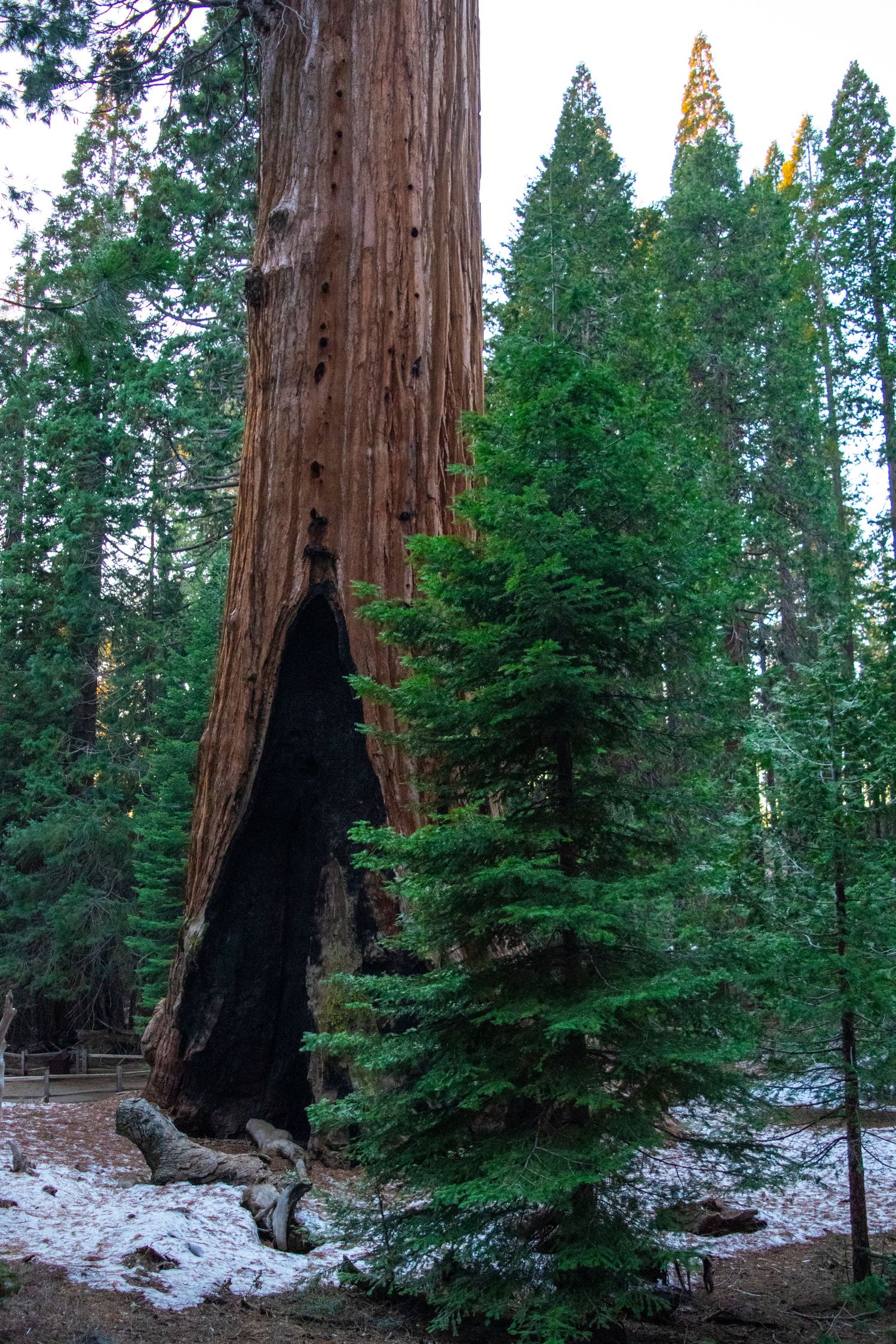
My camera was practically glued to my face as I "oooed" and "ahhhed" at the giant sequoias. I was stopped in my tracks at the sight of a sequoia which looked like the trunk at its base had been burned hollow. A park ranger informed me that the park service will purposefully ignite controlled fires to add nutrients to the soil which help the giant sequoias grow. Fires add nutrients to the ground around giant sequoias softening the soil to create seed beds. This entire concept seemed so backwards to me at the time. Fire burns and destroys. It can not possibly help plants grow, can it?
Forest fires rejuvenate the soil, eliminate invasive species, thin out some of the density in tree growth, and encourage the growth of stronger and healthier plants. Certain plants, such as thick bark, have adapted to fires. Thick bark's cones will only open underground when exposed to heat. Animals also benefit from open environments created by fires, as the fires open up a habitat for feeding and nesting.
Prescribed fires involve collecting hazardous fuel, also known as excess dried leaves and shrubbery that would allow a natural fire to spread quickly and forcefully. By burning these hazardous fuels in a controlled environment, park services are reducing the amount of this fuel in forests, providing safety for lives and property. The fires, though controlled, still benefit the ecosystem as previously discussed.
Fires Are a Part of Our Lives
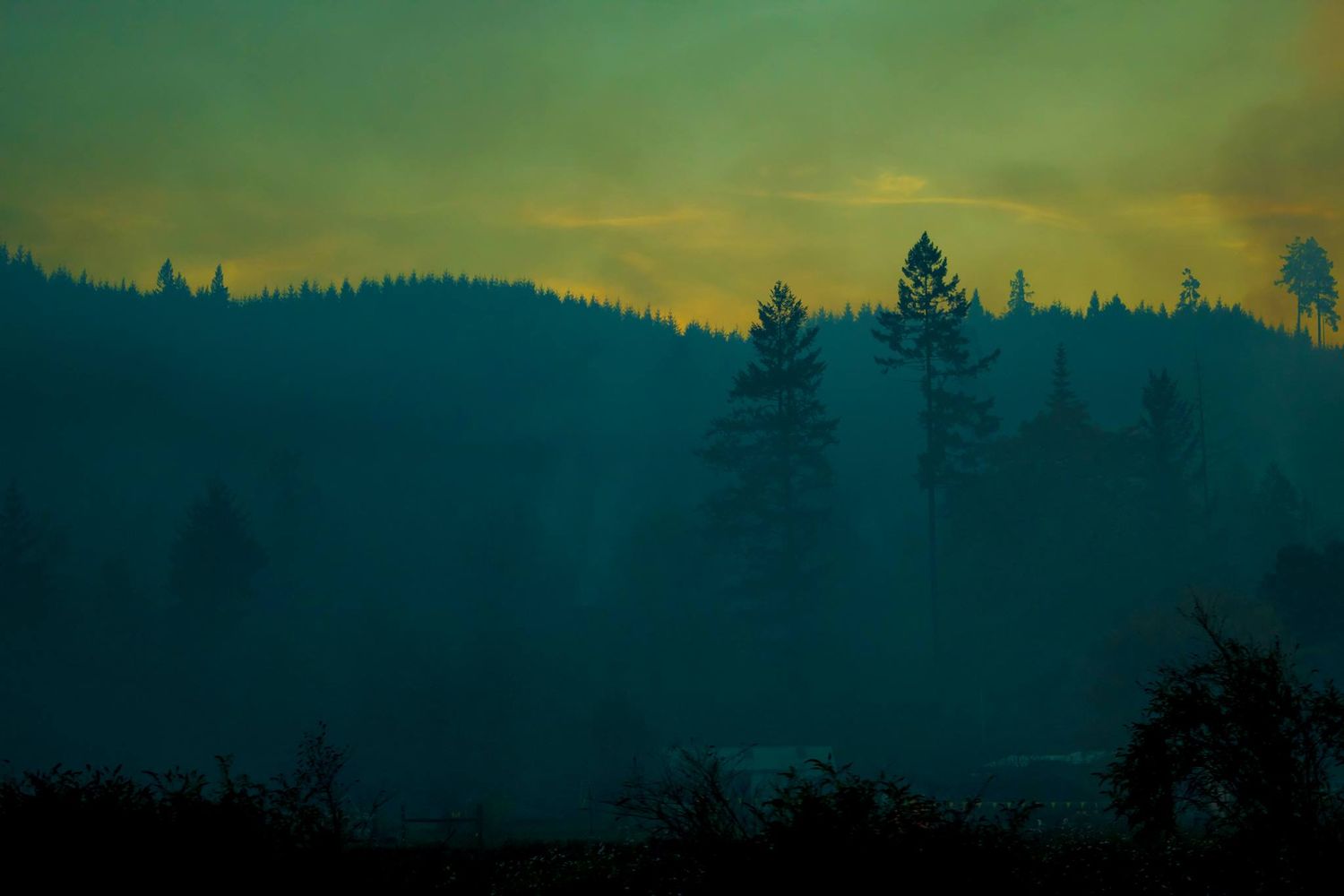
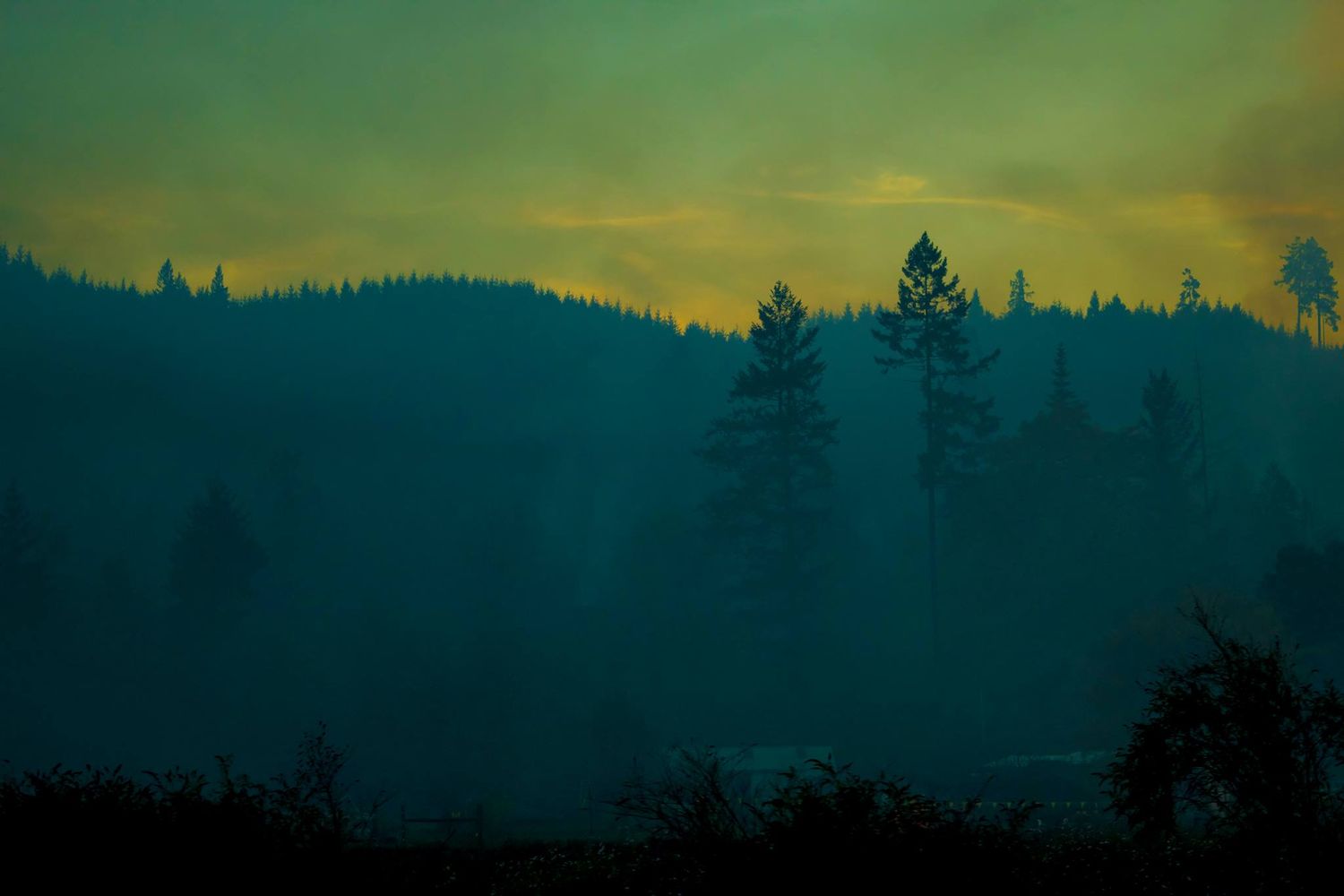
California was not the only state affected by wildfires in 2017. A few other states that were majorly impacted by flames were Montana, Idaho, and Oregon. I was traveling to Oregon in late October and early November with my husband. As he and I were driving from Cannon Beach to Portland, we could smell and see smoke. We did not see any flames, but the smell was so strong that I turned the vents in the vehicle off. In the right conditions you can smell and witness smoke from a fire that is anywhere from thirty to fifty miles away. I felt comforted knowing this fact as I tried to ignore the odor from the forest fire, and was even more comforted as the highway took us out of the smokey haze, and no flames ever met our sight.