Day 6
Good Morning
Jeremy and I wake up, head downstairs for our hotel breakfast, and fuel up one last time for our Seattle adventure. Afterward, we go back upstairs, get ready for the day, and set out for the city.
Bill Speidel's Underground Tour
We park near 4th and Madison and walk down to our underground tour. After getting wristbands, we’re instructed to wait… in a bar.
Clever.
While many of our fellow tour-goers order drinks, Jeremy and I hold hands, people-watch, and catch Pokémon. Priorities.
When we’re finally called downstairs, we realize just how many of the “bar patrons” are actually part of the tour. We’re given a historical introduction to Seattle’s early days before being split into groups. Our guide, Adam, sets the tone: informative, slightly mischievous, and very aware that Seattle’s beginnings were… complicated.
The Buried City
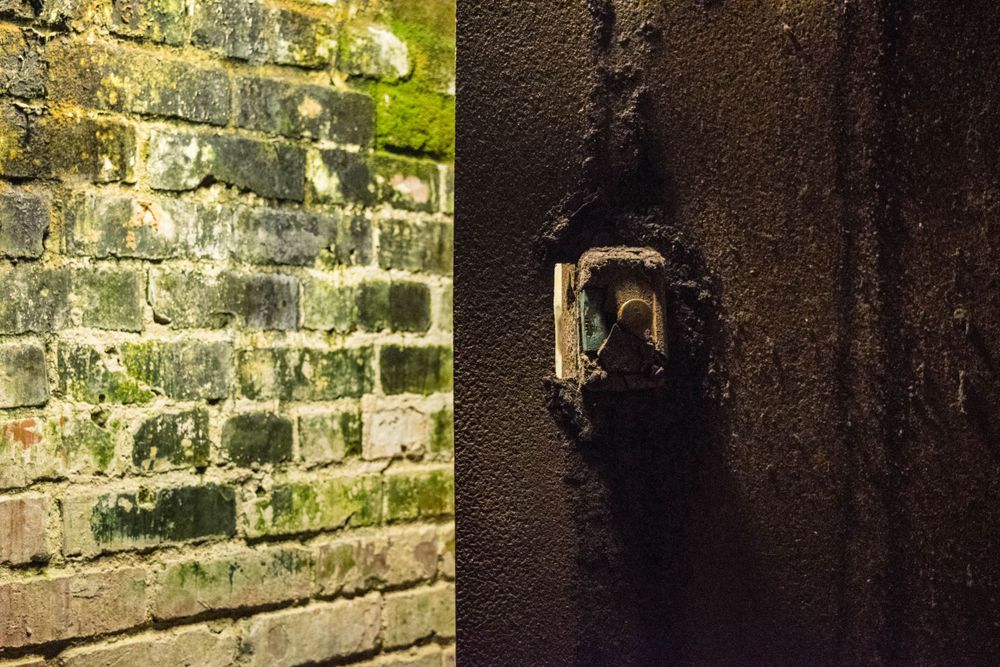
The first tunnel is narrow and dim. Adam explains that for years these underground spaces were considered rumor until they were rediscovered.
After early flooding and sewage issues kept causing issues with the original elevation of Seattle's streets, the city decided to raise the streets above the originals. The problem? The sidewalks weren’t also raised at first due to disputes over who should pay—business owners or the city. So for a time, civilians literally climbed ladders to cross streets.
Most of the downtown businesses back then were taverns and “sewing houses". Despite dramatic 40-pound Victorian garments, no women fell to their deaths from the raised streets to the sidewalks down below. Seven men, however, did fall and meet their demise after drunken evenings. Rather than assume liability, the city ruled the deaths as suicides.
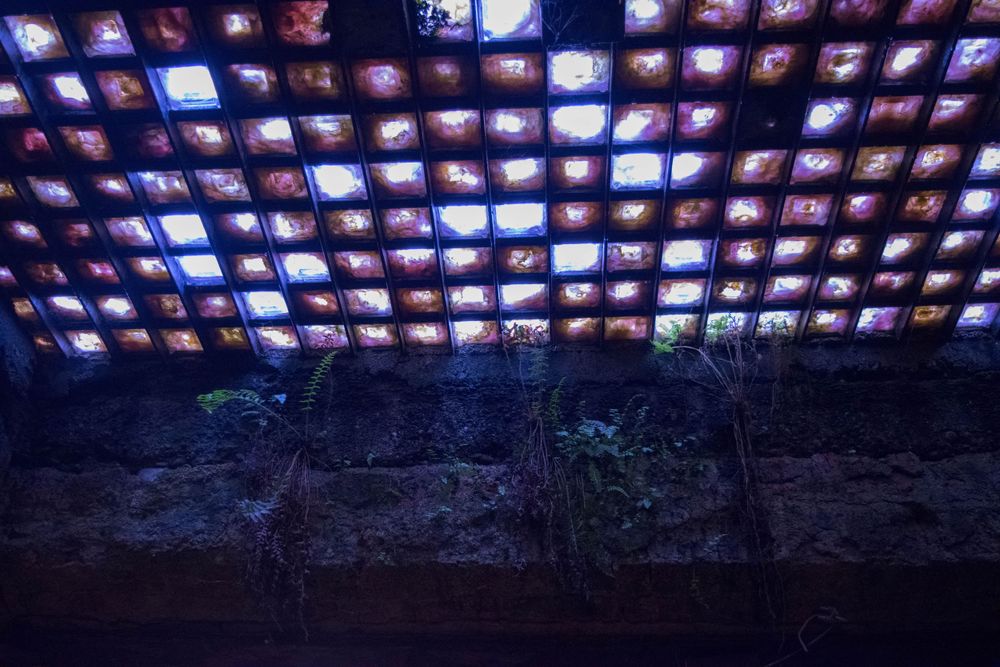
Eventually, the sidewalks were built up. Some businesses used the old, now underground level below, but without electricity, they installed glass tiles in the sidewalks above to let sunlight in. The magnesium in the glass turned purple over time. Anywhere you see those old purple tiles today, you’re looking at the original lighting system.
The Great Seattle Fire
We learn about the Great Seattle Fire—started by an apprentice making glue who threw water on what was essentially a grease fire.
The flames spread to a paint store. All the buildings in the city area were wooden. The volunteer fire department tried their brand-new, untested water system—only to lose water pressure. Too many of them were connecting to the water system at once. They attempted to draw water from Elliott Bay, but the tide was too low. At some point, they threw up their hands, and retreated to a hill to watch the city burn.
The fire started to approach a hardware store stocked with gunpowder and dynamite. The mayor attempted to create a controlled explosion to stop the spread and save the store carrying the dangerous goods. It... did not work. It just, in fact, made things much worse.
The city burned to the ground (the raised one, not the original lower one, to be clear). When the ashes cooled, people poured in to rebuild. The population surged. One could say that Seattle would not be the metropolitan beast it is today if it weren't for the fire.
Banks, Vaults, and “Seamstresses”
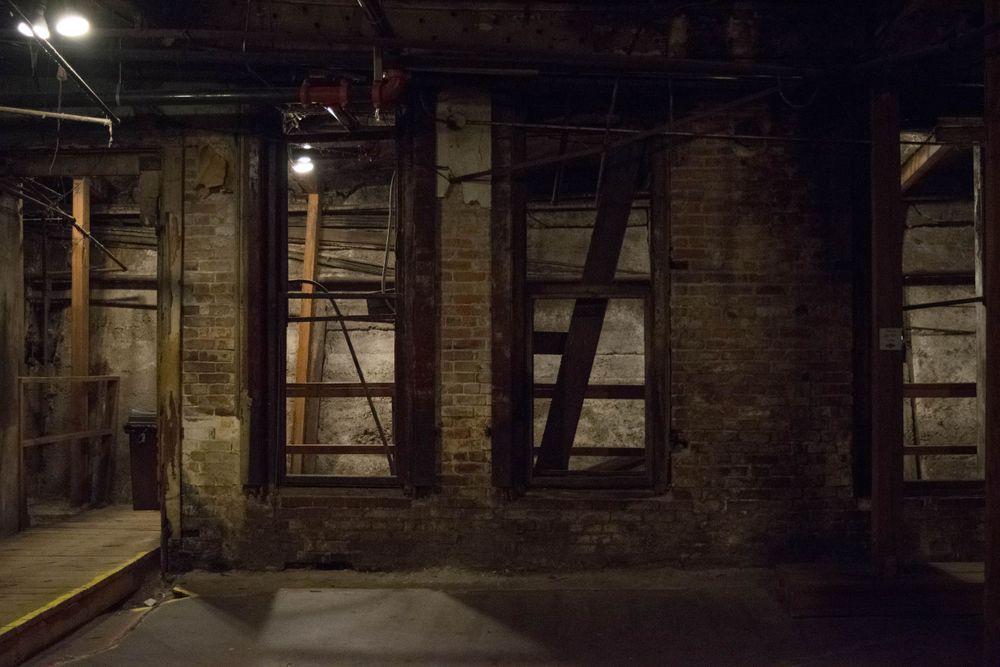
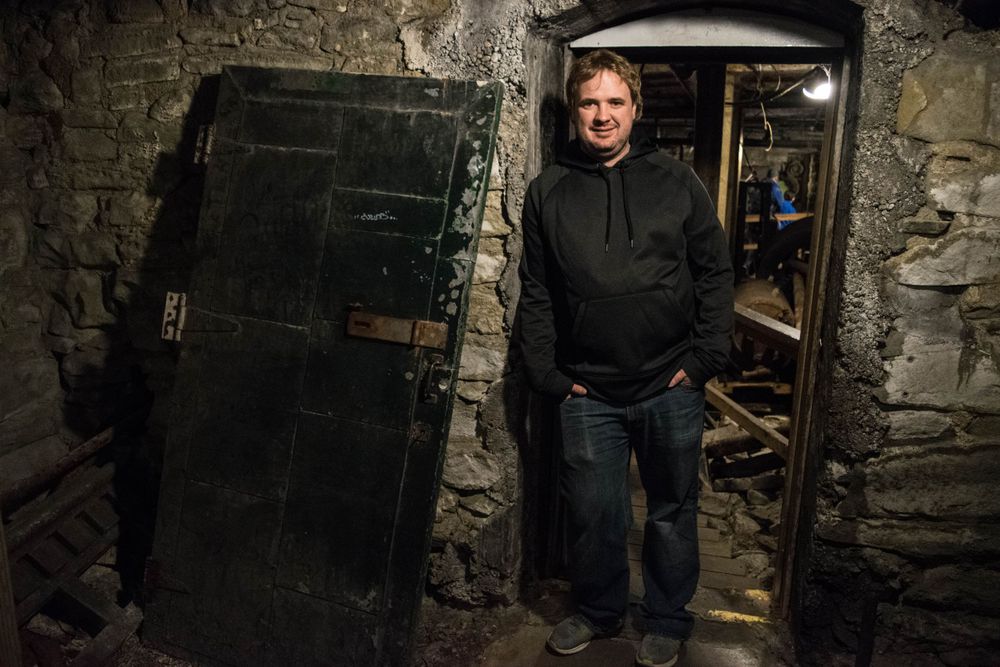
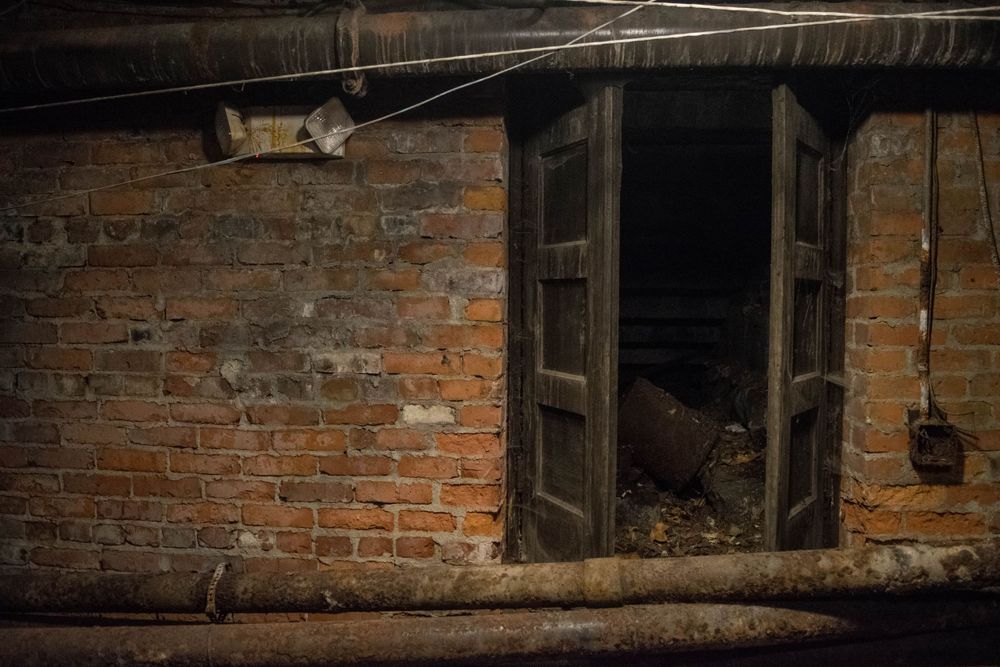
Underground, we stand where a bank teller was once shot. We see a Victorian vault that once held multiple tons of gold. In another tunnel, we enter a large room once used for filming. Old storefront windows and doors still stand below street level, like ghosts of cinematic adventures past.
We learn about Madame Lou, a savvy businesswoman and “seamstress.” Her employees reportedly made far more than the wealthiest men in town. She negotiated police protection for $10 per month per one of her employees —whilst her workers earned around $400 monthly. Many of her “seamstresses” retired early and went on to own businesses of their own.
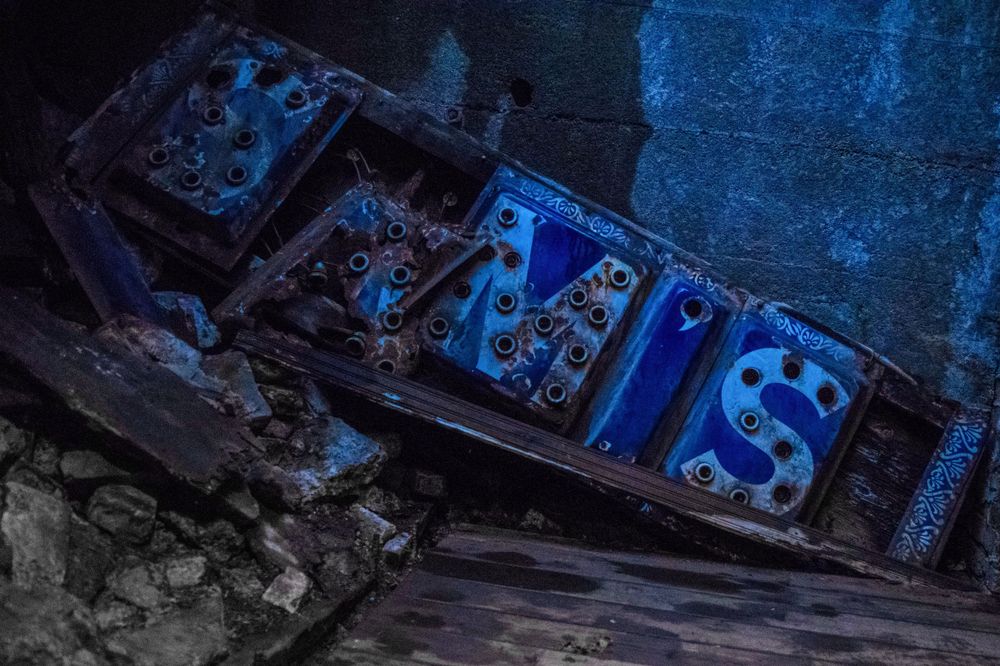
In the final tunnel, we see wooden water pipes, an old tub, a Tesla elevator motor, and the remains of an underground marketplace. Merchants once wrote their offerings directly onto the walls, and the handwriting is still visible today.
The tour, of course, ends in the gift shop. We leave empty-handed—but historically enriched.
Walk to the Pier
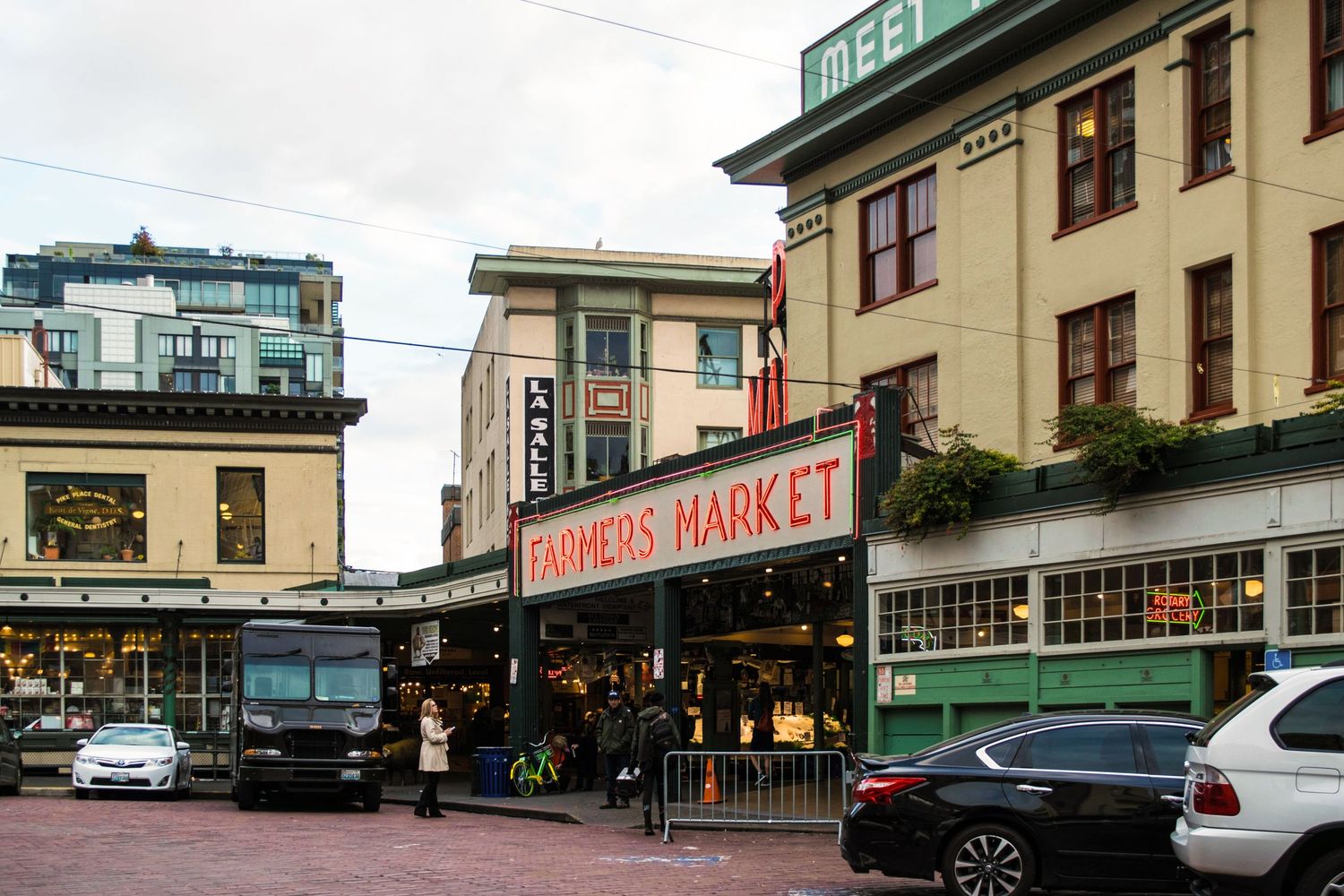
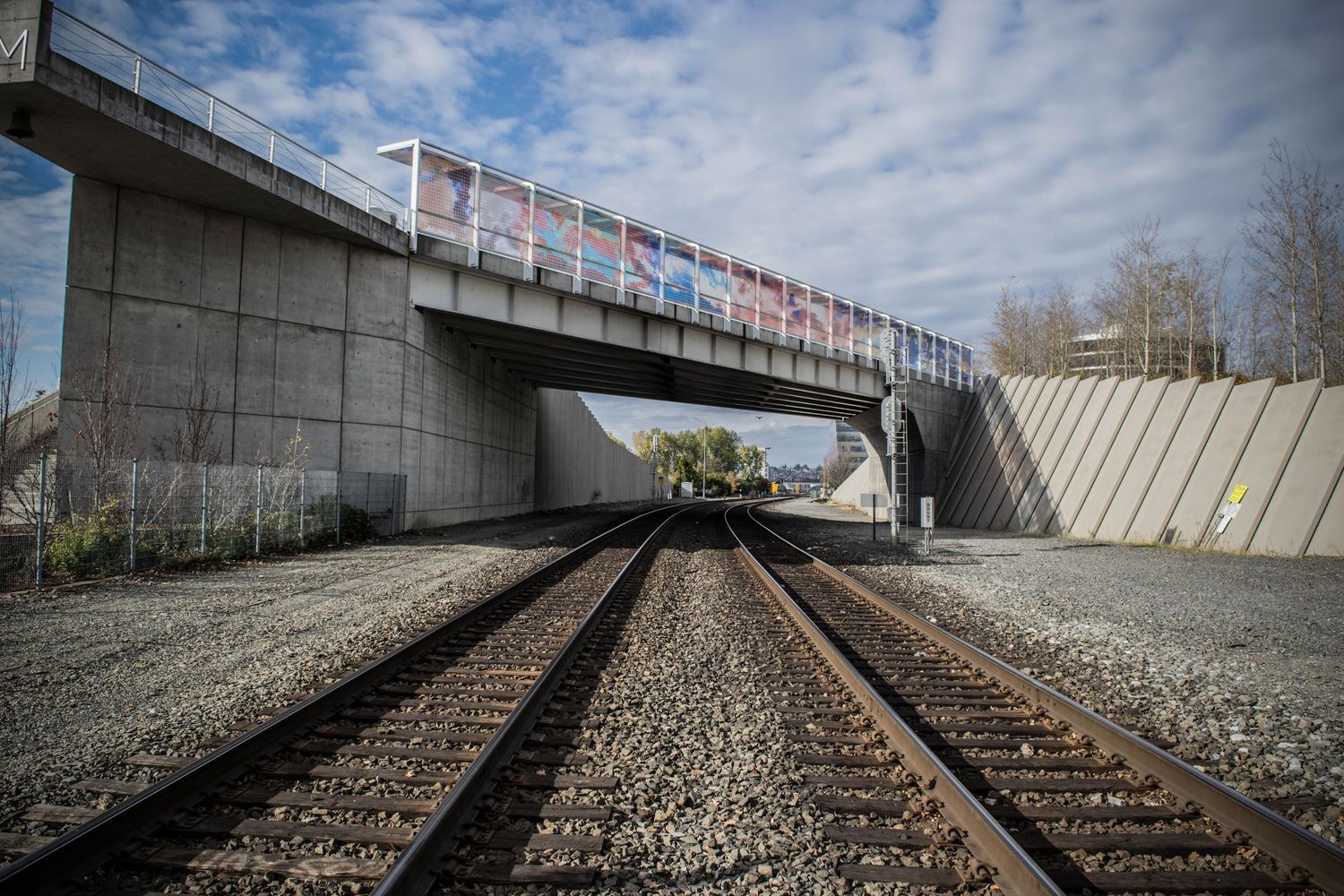
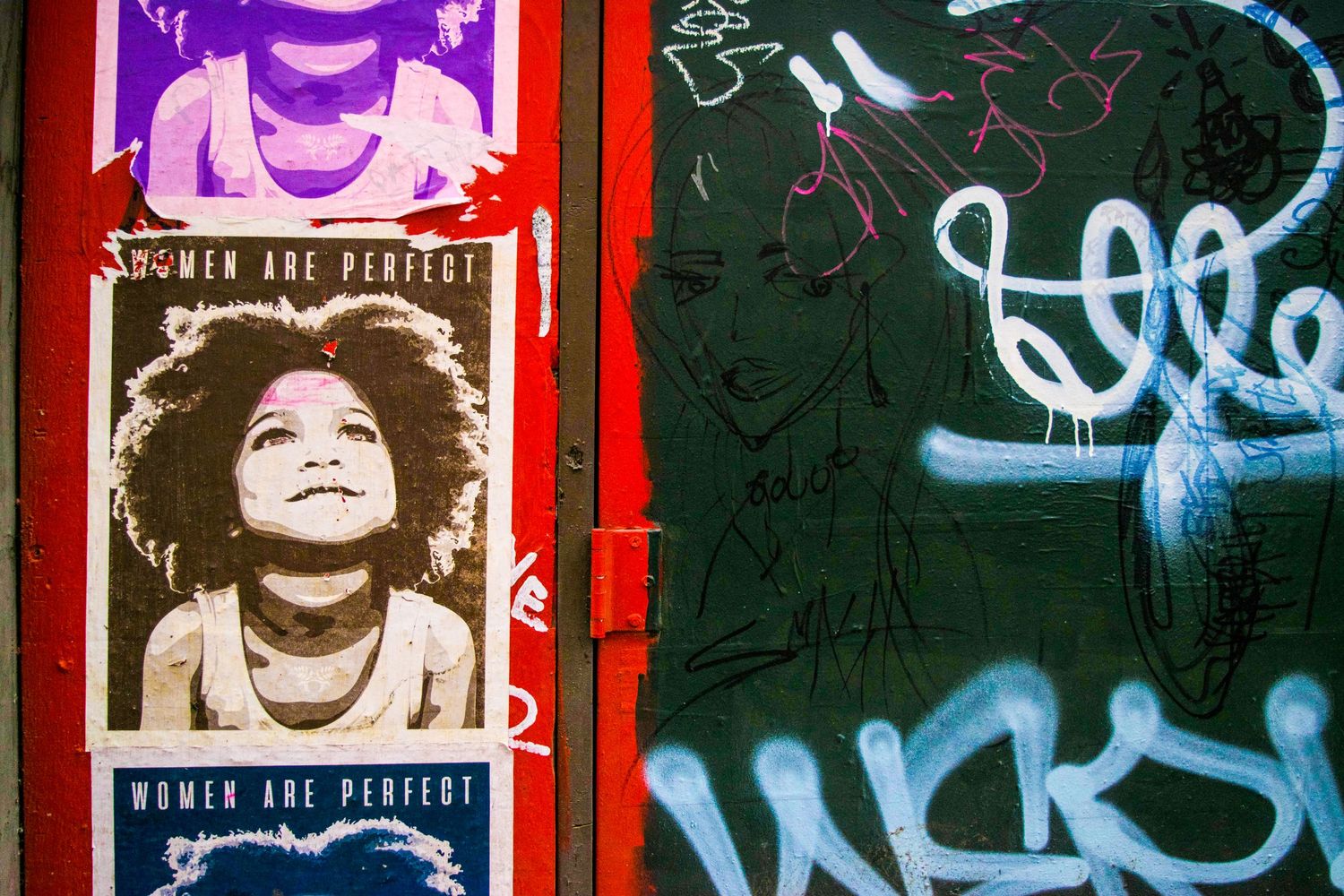
We head back to the car to switch out my camera battery, then make our way toward the waterfront. I snap photos along the way—buildings, signage, and one poster that really stands out to me.
Elliott's Oyster Bar
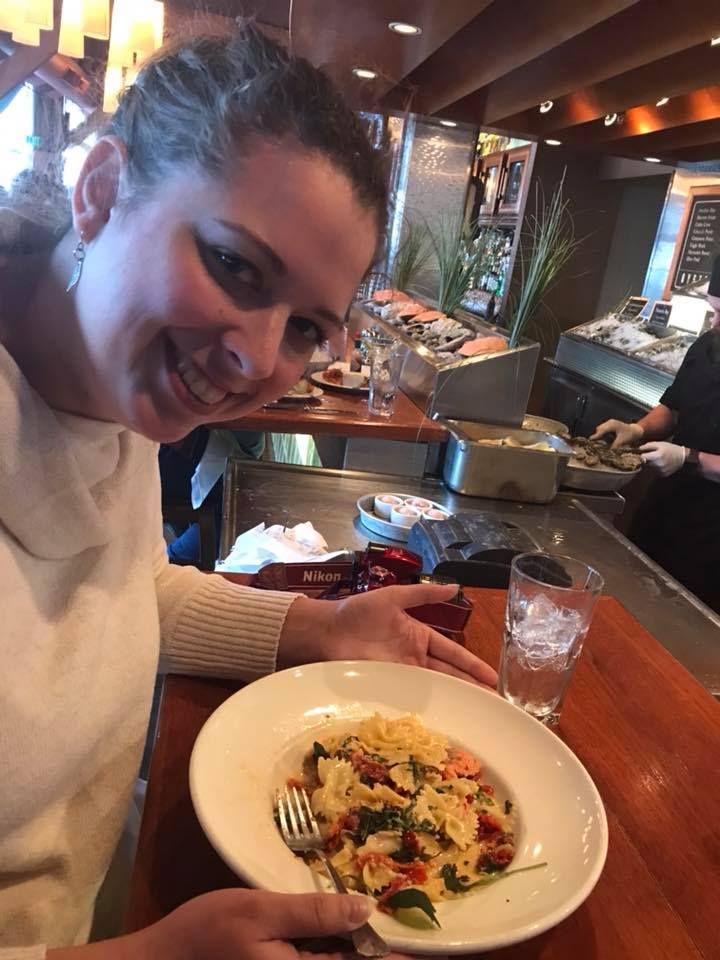
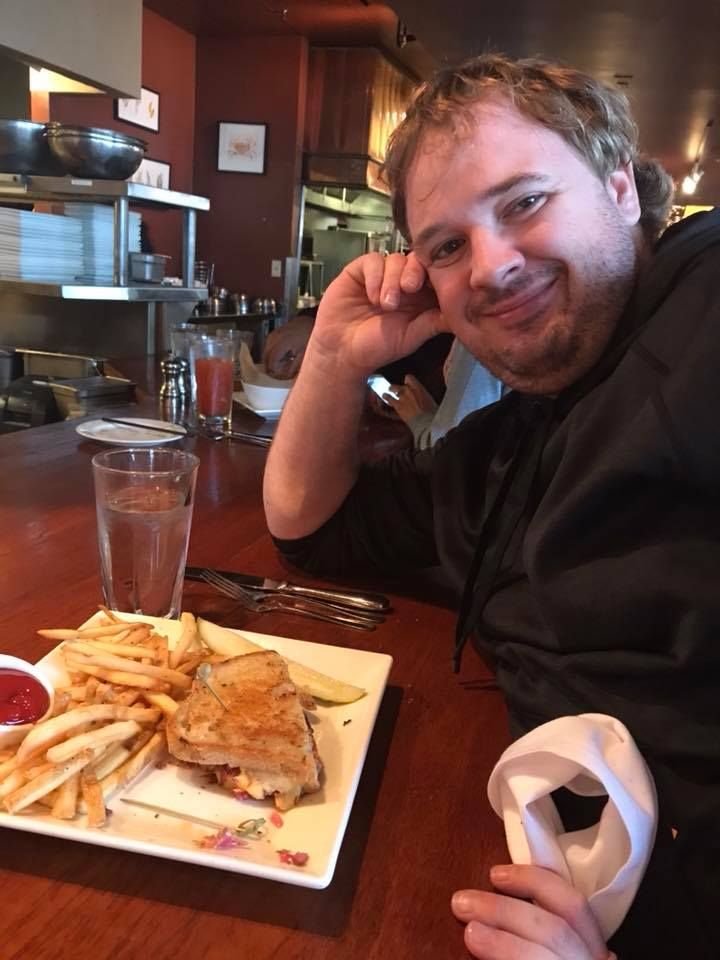
For lunch, we stop at Elliott’s Oyster House along the waterfront. Jeremy orders a smoked salmon Reuben with fries. I choose the pasta special—sun-dried tomatoes, salmon, bow tie noodles, and greens. Fresh, rich, coastal.
There’s something deeply satisfying about eating seafood within view of the water it came from.
Pier 57
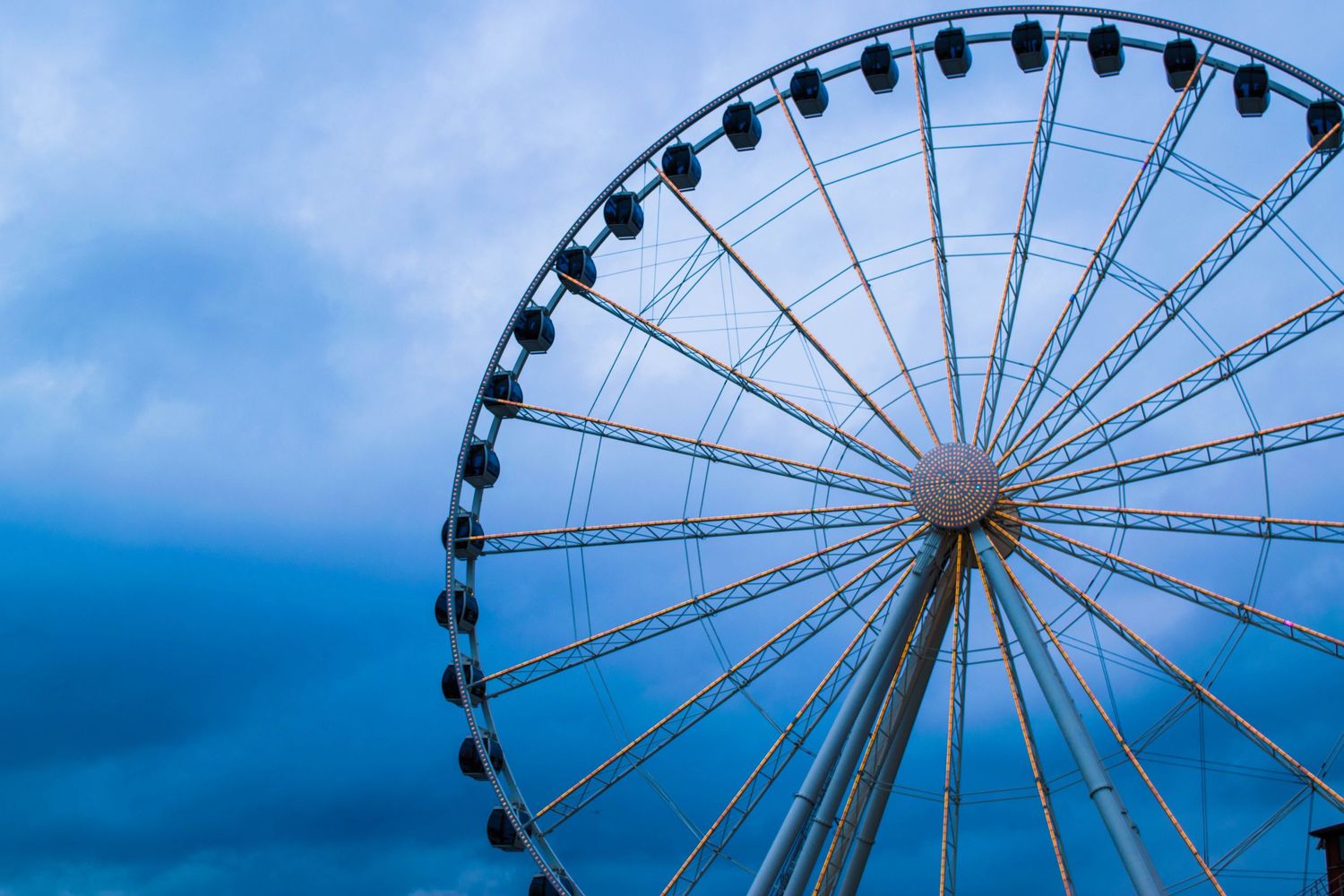
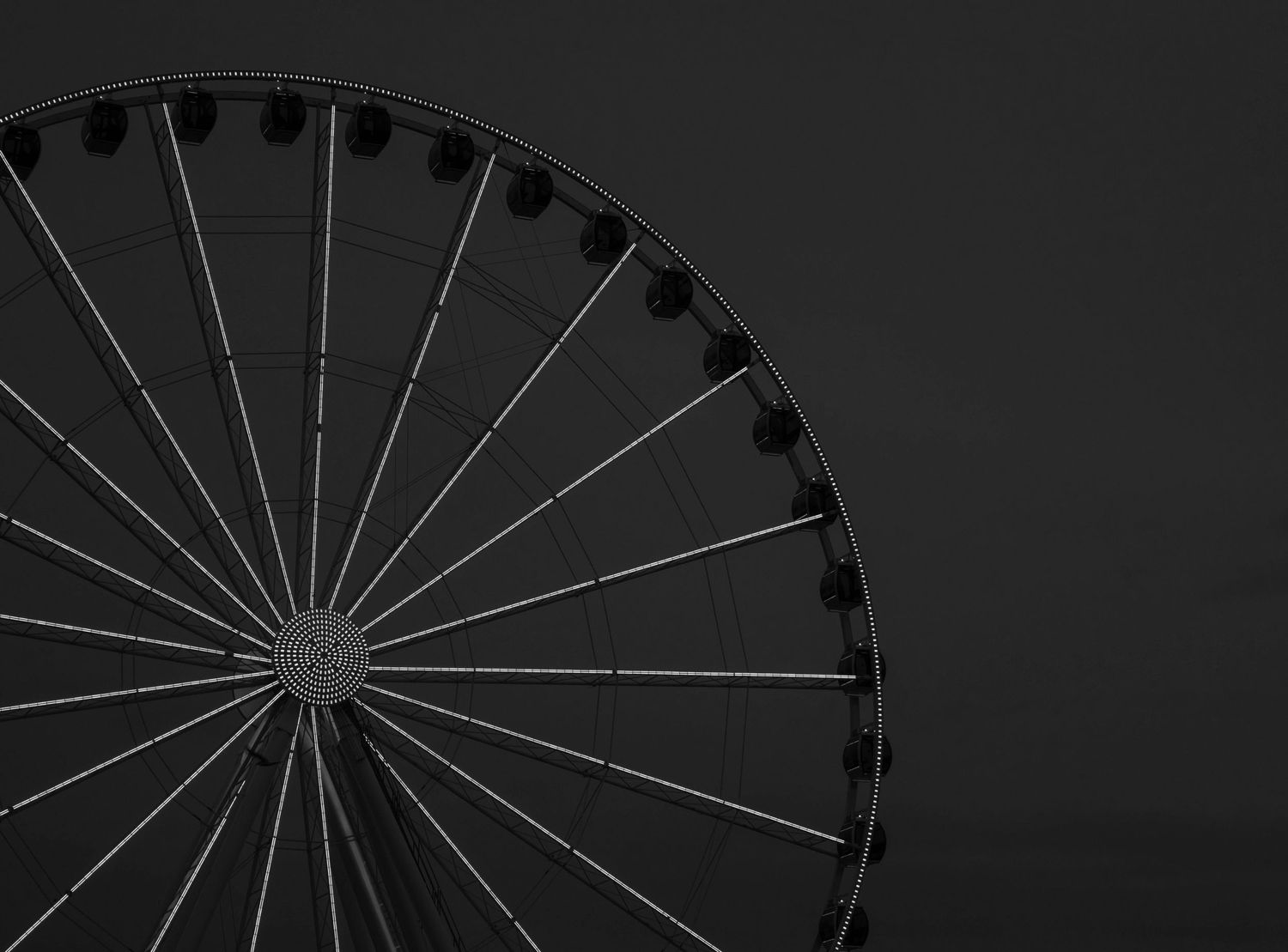
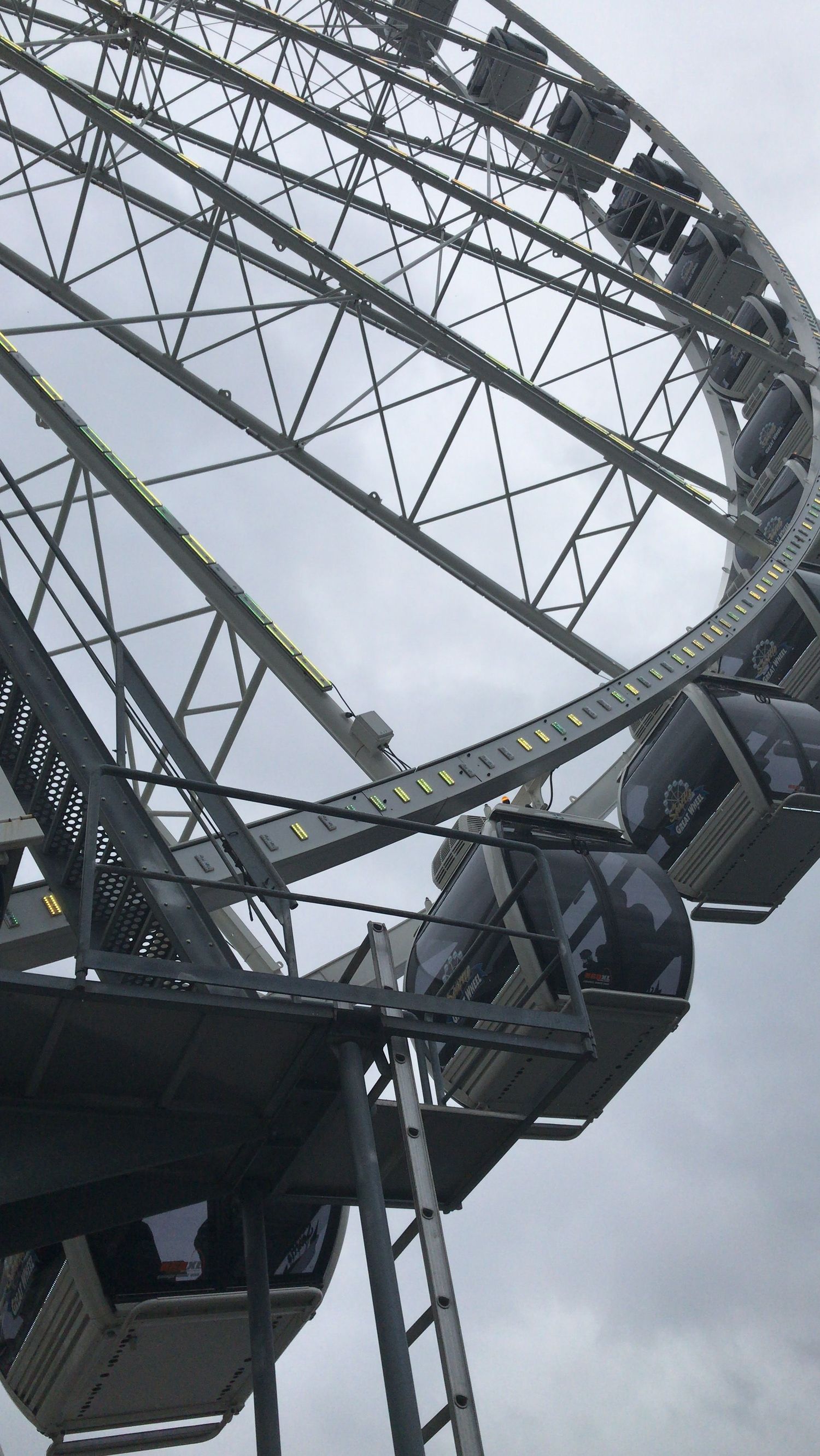
We wander to Pier 57, home of the giant Ferris wheel.
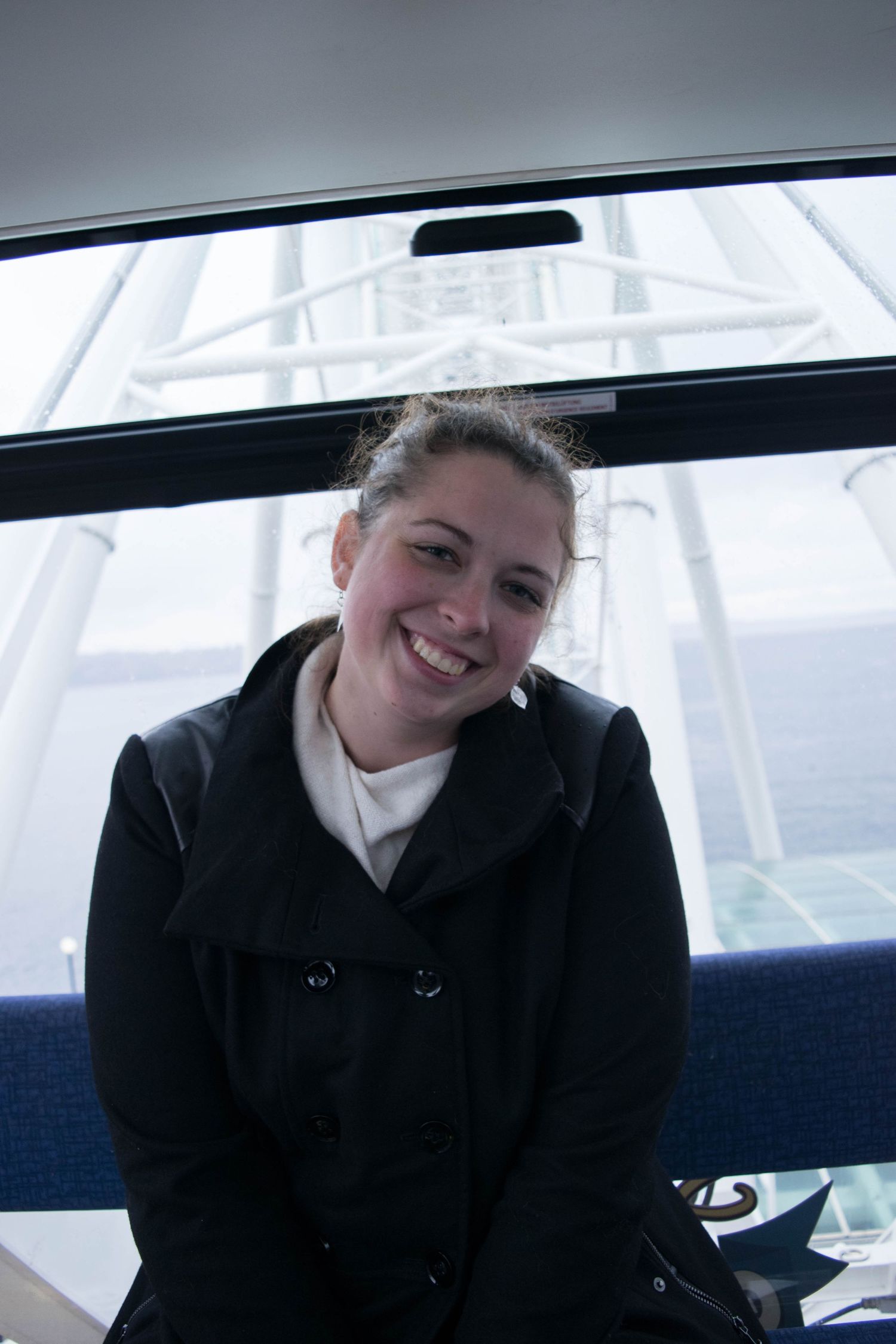
After browsing a few shops, we line up for the ride. Our gondola is fully enclosed, and the wheel moves with surprising smoothness. From the top, the views stretch across Elliott Bay, the city skyline, and distant mountains.
Seattle feels expansive from up there—layered in water, steel, and sky.
Seattle Aquarium
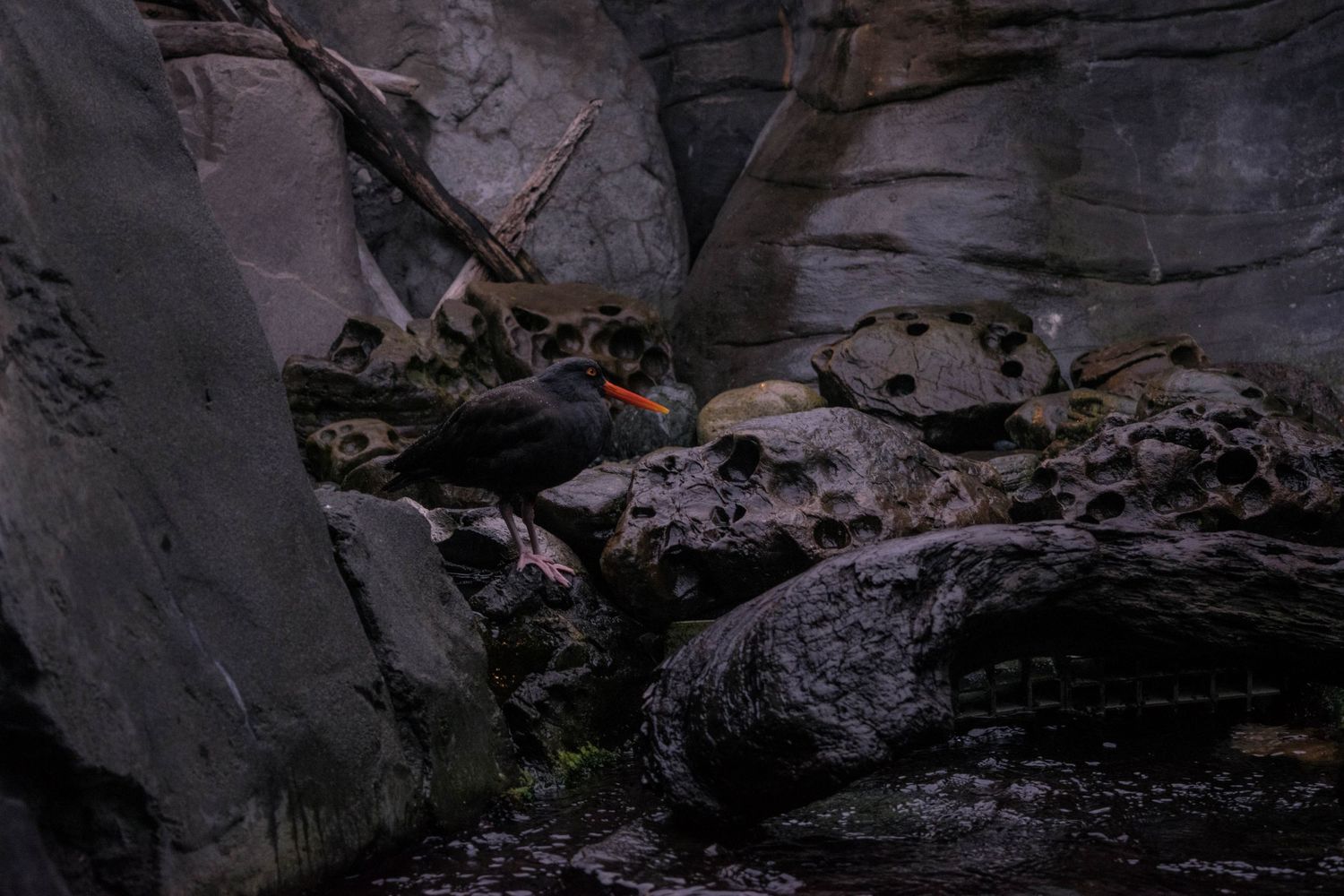
We venture to the Seattle Aquarium next. Please click on the link below to read about that adventure.
Chinook's
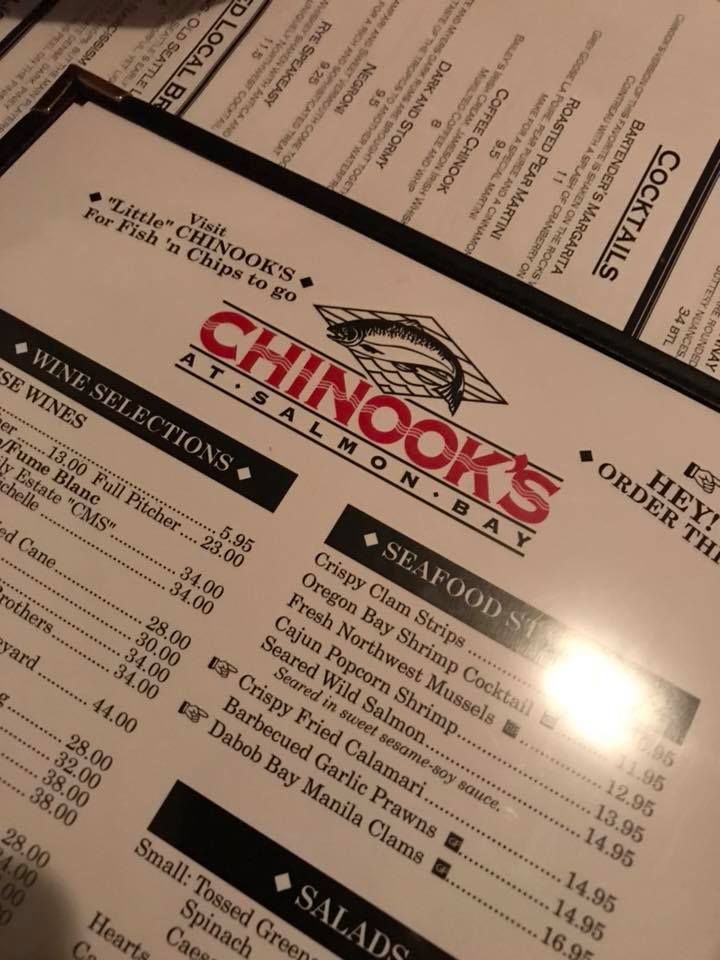
For dinner, we head to Chinook’s. We both order clam chowder and crab leg dinners. Jeremy drinks sweet tea; I stick with water. It feels like a proper Pacific Northwest sendoff for our last day here —cracking crab legs as the day winds down.
Goodnight
From dinner, we begin the drive back. I unexpectedly hit a curb - I swear it came from no where. That's what people, say when they ram their cars into something silly and obvious, right? The front driver’s side tire blows.
I am immediately devastated. Angry at myself. Embarrassed. Frustrated.
Jeremy, however, remains completely calm. He calls 24-hour roadside assistance and keeps reassuring me that it’s okay. We pull out the iPad to pass the time. He plays games. I fall asleep.
When the tow truck arrives, instead of squeezing into the cab, we get to ride inside the car while it sits on the truck bed legal? Eh. Surreal? Absolutely.
We’re delivered to the rental place and upgraded to a Cadillac XTS. Not exactly how we expected the night to go, but here we are. It's kind of all additionally chaotic because it's our last night in Washington, and our last night with the rental car.
We drive back to the hotel, pack what we can for our flight home the next day, and finally crawl into bed.