Back to Minnesota
My husband and I have been taking birthday vacations together since we started dating. We'll go somewhere for my birthday week, and go somewhere for his birthday week. My birthday is in June and his is in November, so it works out with the timing of accumulating the PTO needed.
I decided that for my birthday this year, I want to go back to where I grew up - Minnesconsin. I lived equally in Minnesota + Wisconsin, hence the blending of the names. My parents are moving to California, and I know it will be a while now until I will be visiting the ol' stomping grounds again, so I have a checklist of items I want to see. One of those items is "Minnesota Zoo". I haven't been there since I was a kid, and I want to go again. My family historically has mostly gone to Como Park Zoo, which I adore, but I want to go back to Minnesota Zoo since it has been so long.
Entering Minnesota Zoo
It's a pretty easy drive to get to Minnesota Zoo. The parking lot is huge, but we find a parking spot easily enough. I notice already that the way we are going to enter the zoo is different than when I was a kid. When I was a kid the IMAX theater was open, but it is now closed, and that's how we used to enter the zoo. I remember seeing monkeys as one of the first animals upon entering the zoo, but this time we enter by where the leopard and big cats are.
Russia's Grizzly Coast
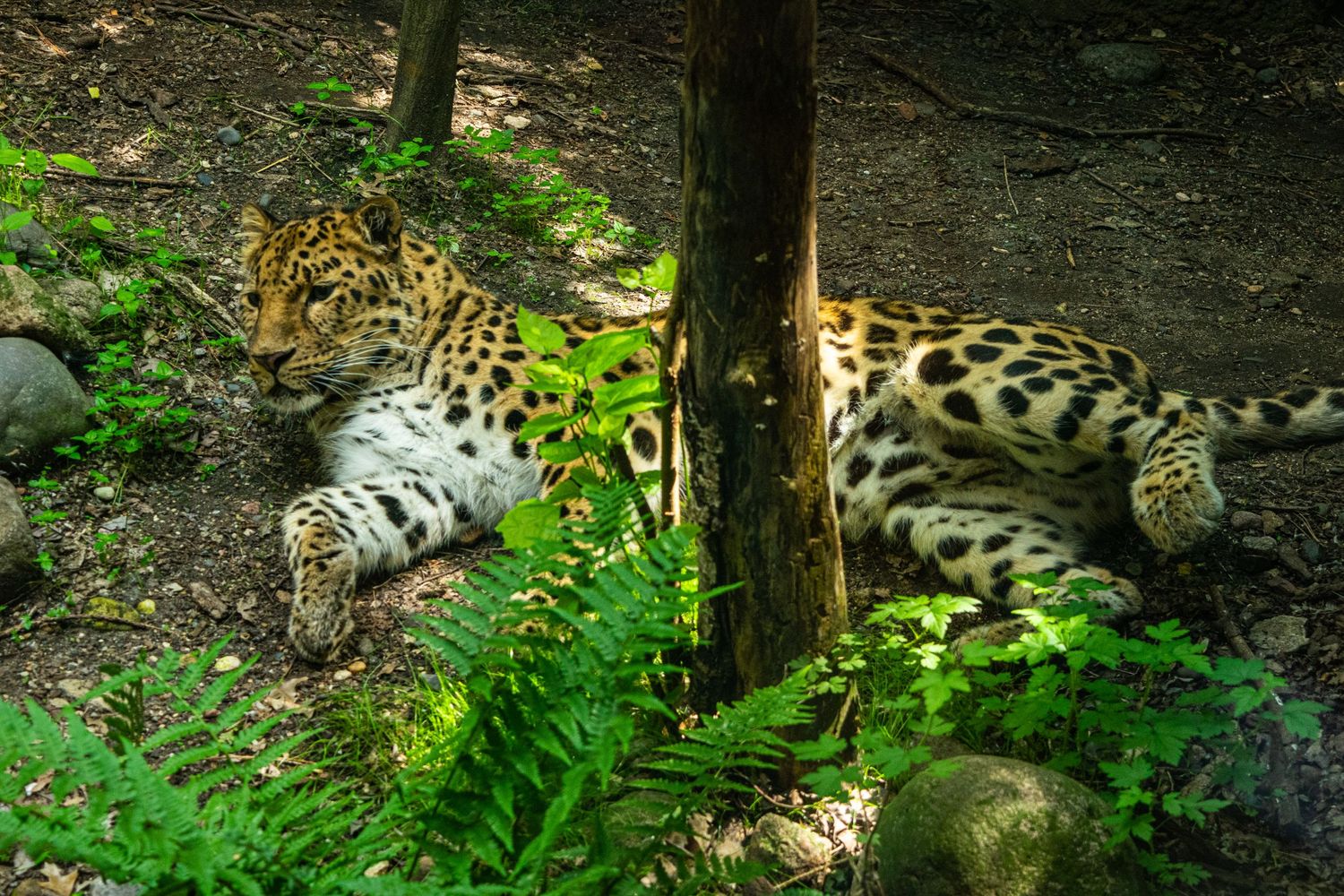
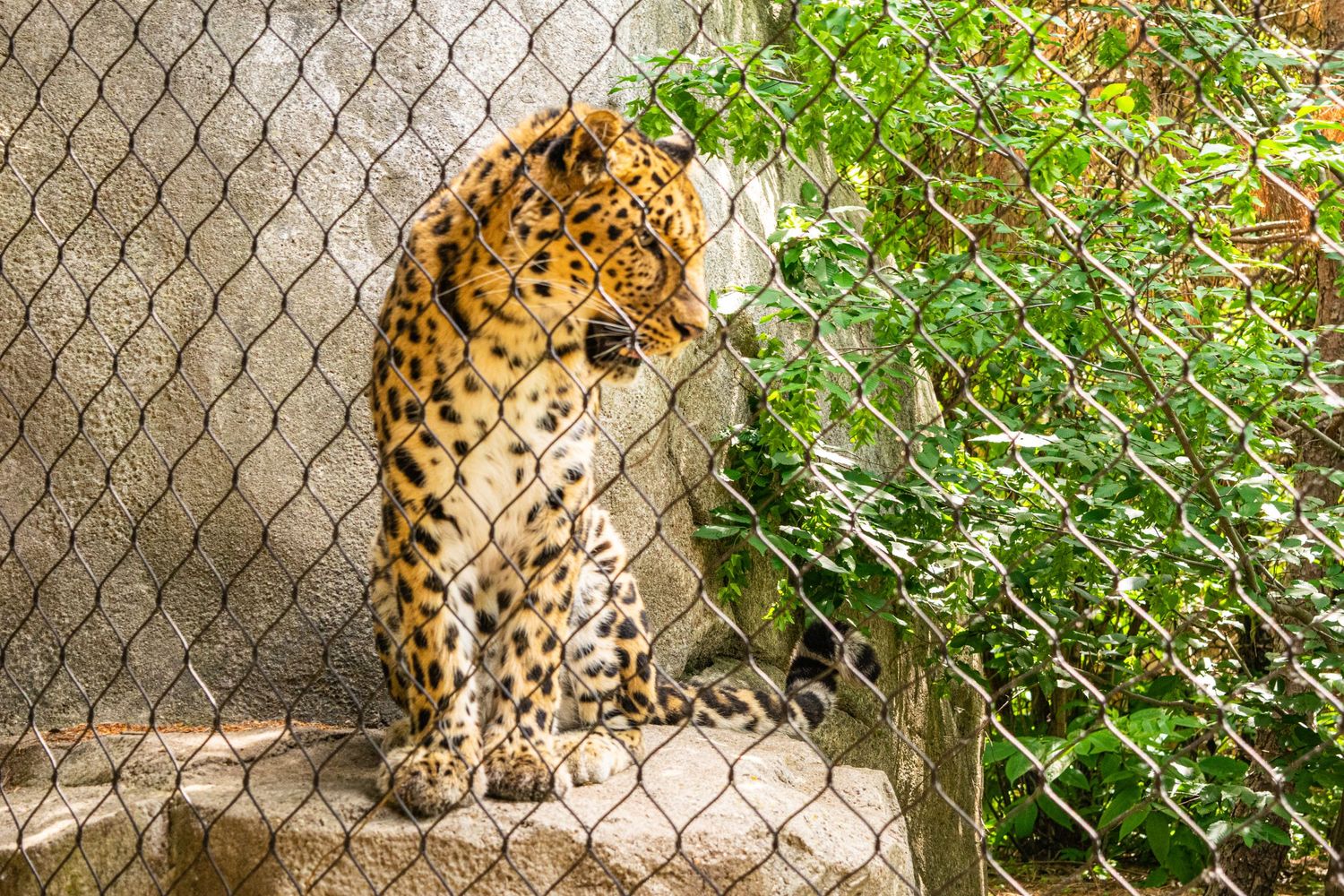
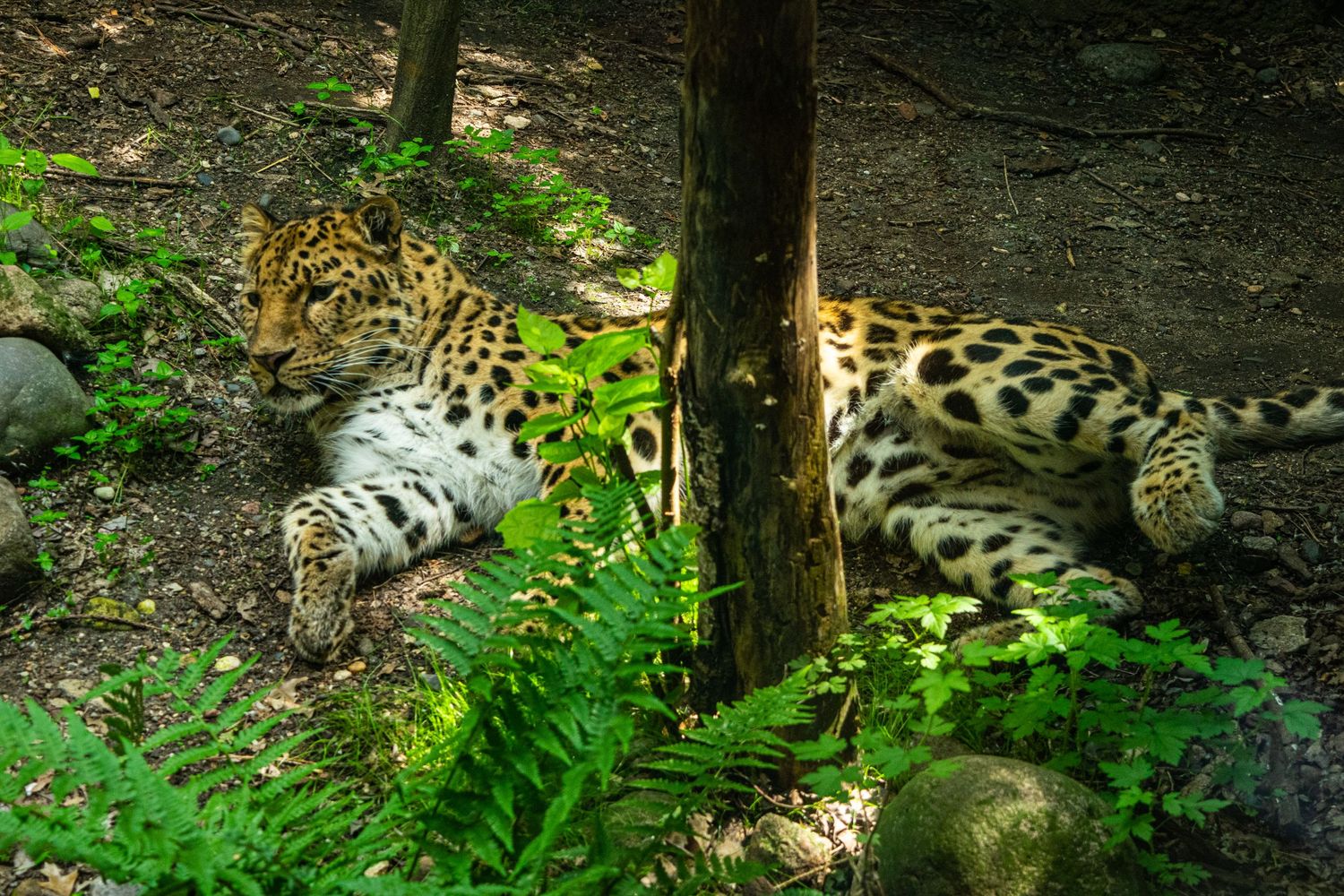
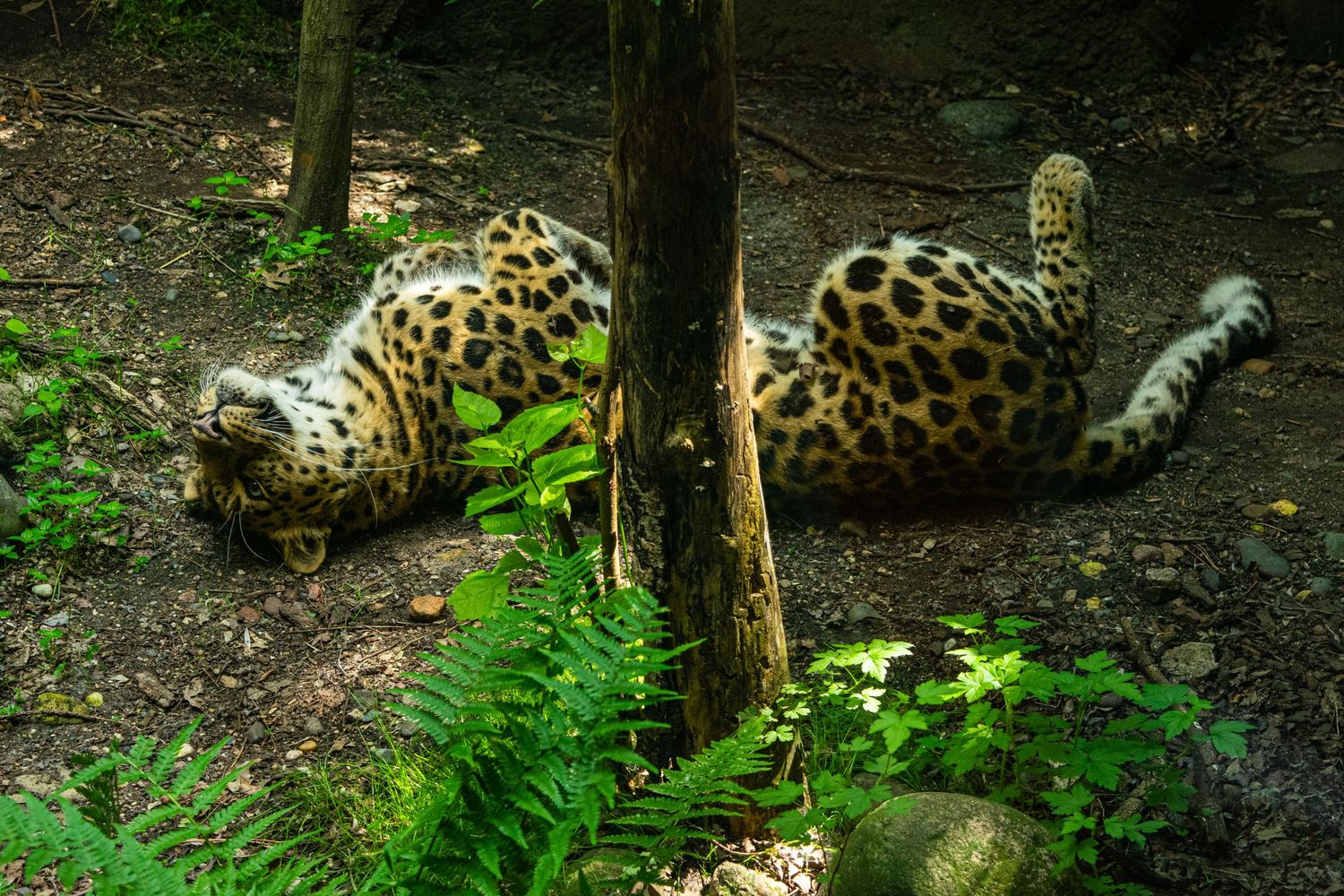
The first animal we spot in the Russia's Grizzly Coast area is the Amur Leopard. It always amazes me how similarly house cats and large breeds behave at times. The leopard is very playful, flipping on its back and pitter-pattering its paws in the air. The leopard is adorable.
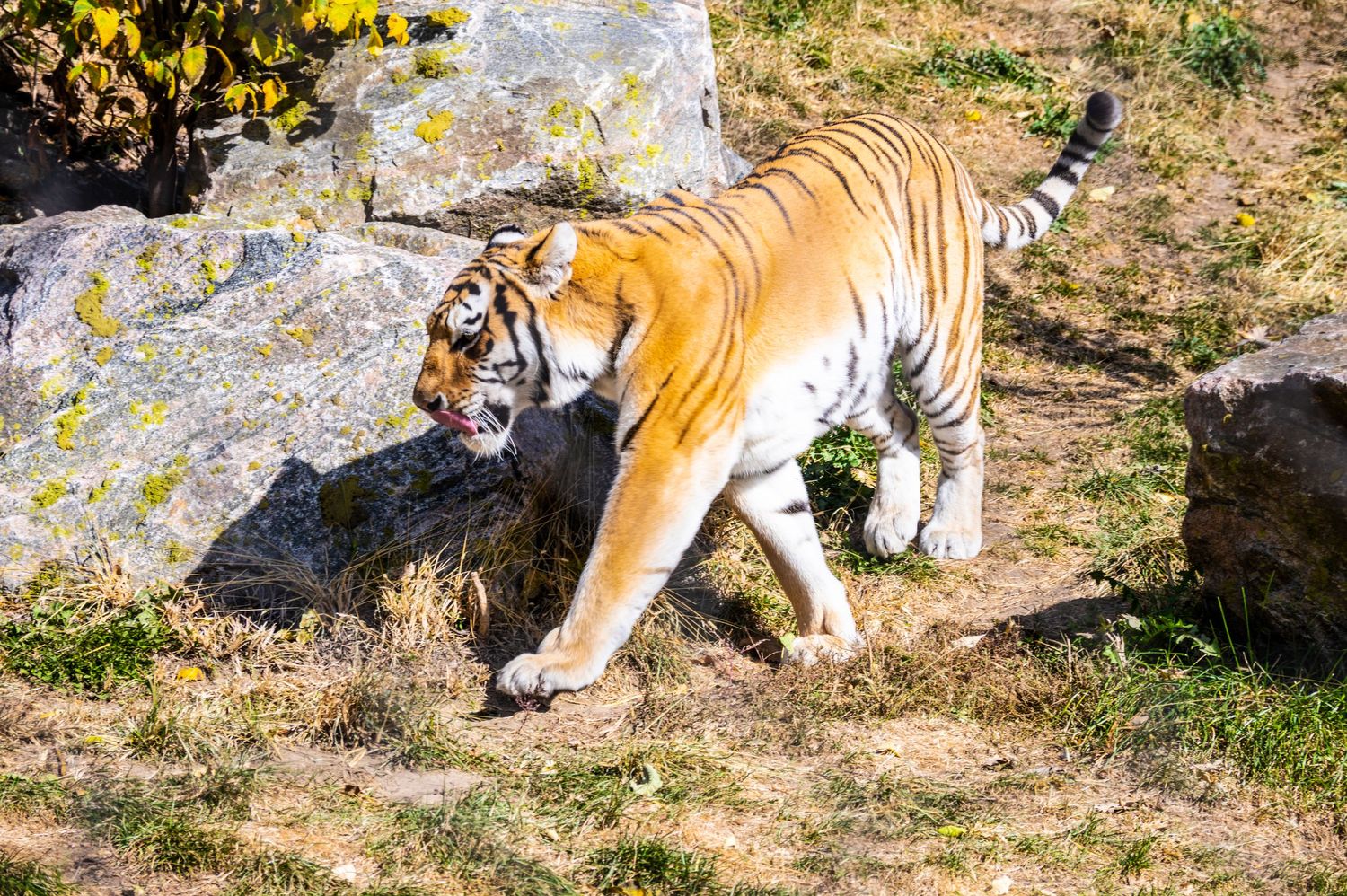
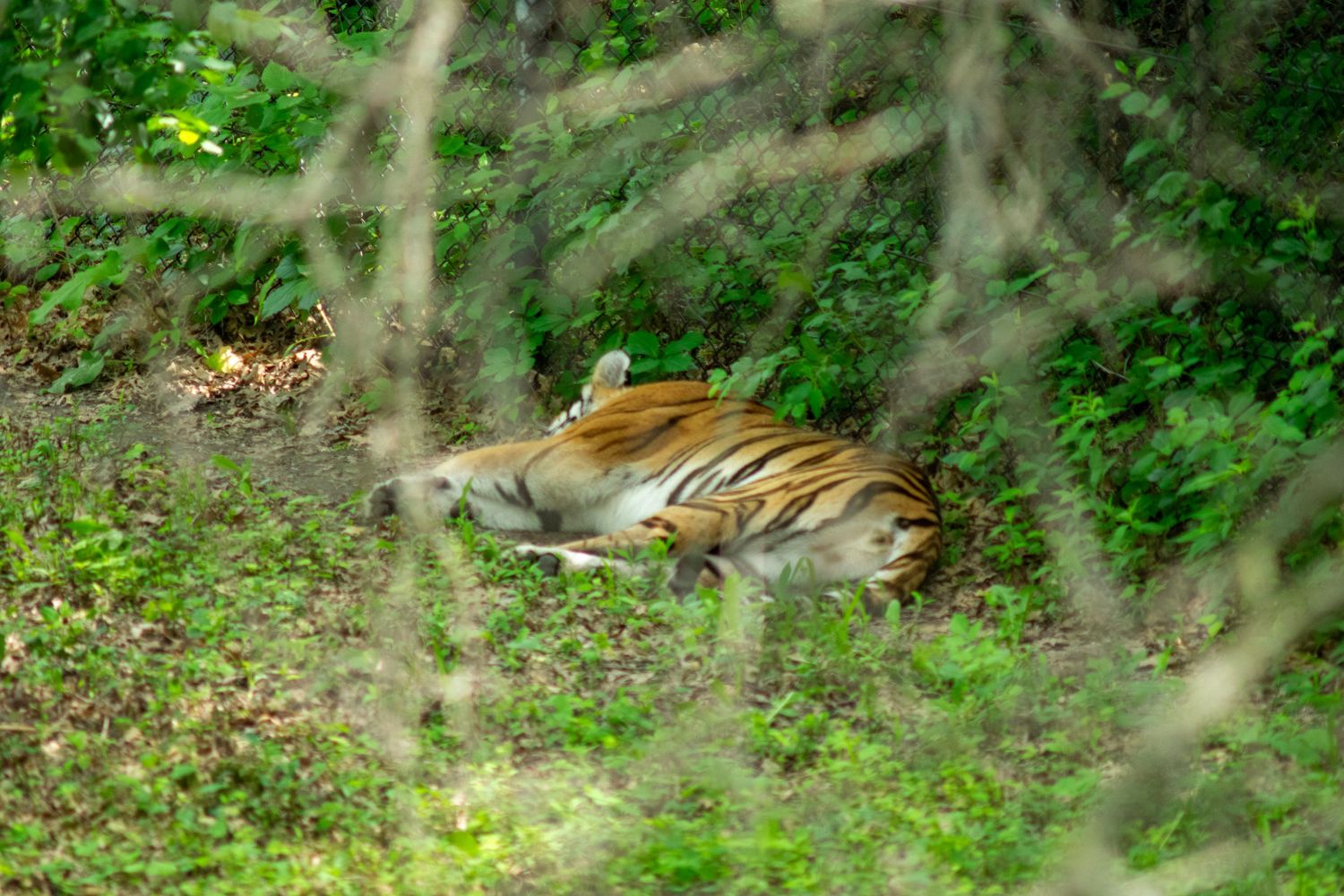
We saw the Amur Tiger next, but they were sleepy and taking a cat-nap. Aha. Ahaha.
Northern Trail (Part 1)
The Russia's Grizzly Coast is a very small part of the zoo, and then there is this giant loop that goes around this big field called the Northern Trail.
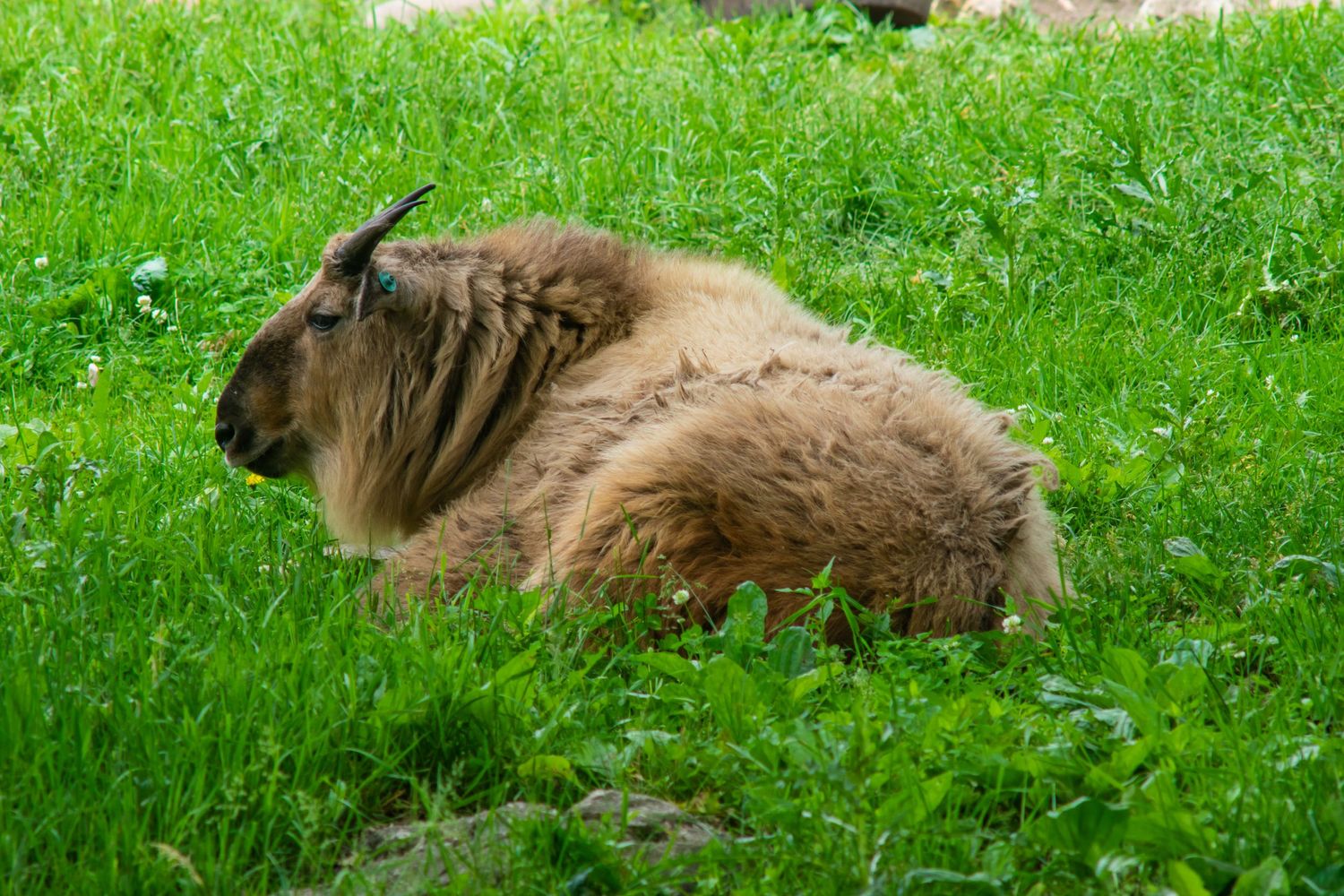
We see a takin laying down in the grass. They look so floofy, but there's a lot of bulk under all that fluff. They can weigh up to 700 pounds (317.5kg). Takin live in a matriarchal society, with female and young offspring making up the herds. Males tend to live in solidarity.
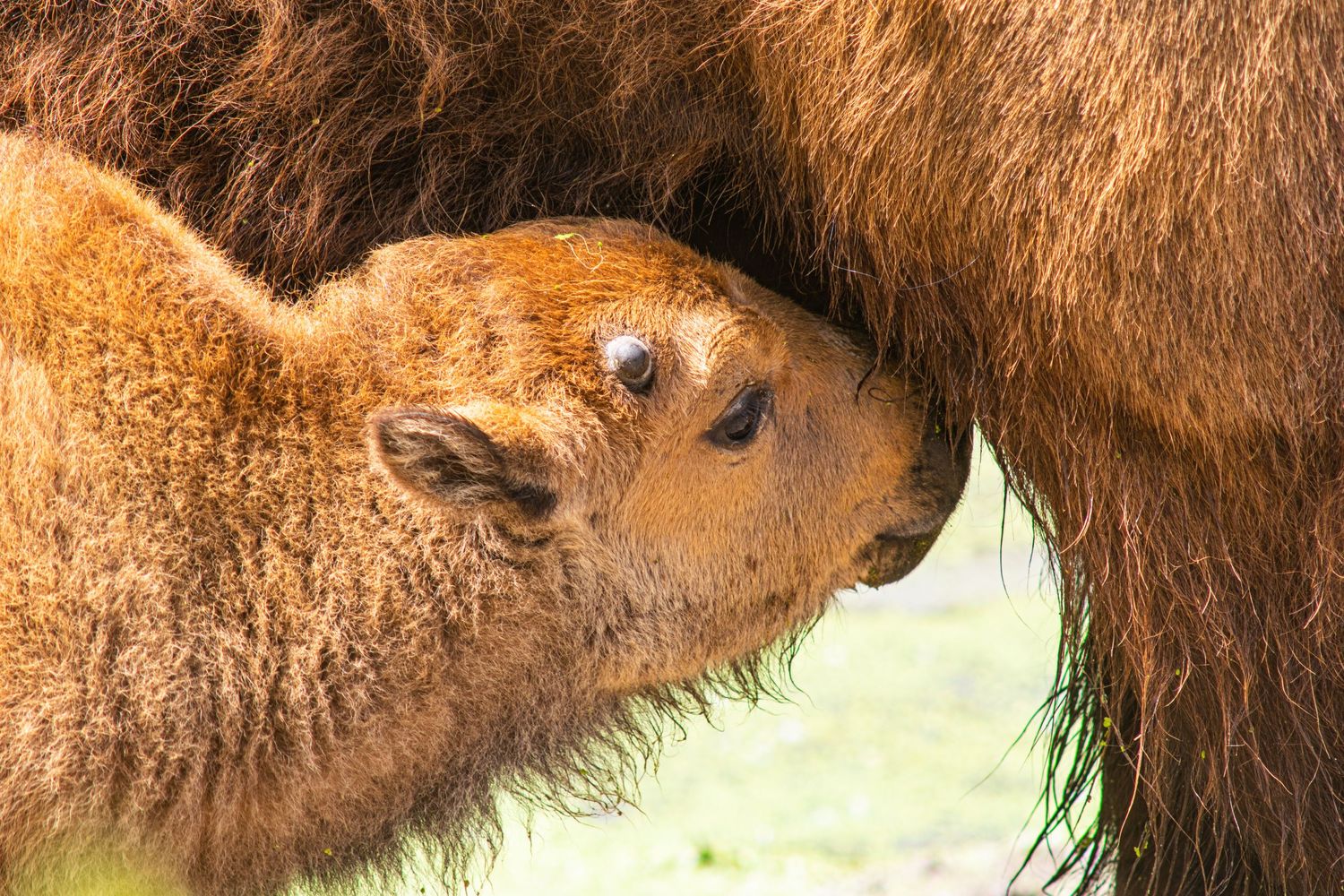
The next animal we see is the bison. I am very familiar with the bison with living in Colorado, but that may not have been the case if protective measures were not enforced to protect bison back in the 1800s. There was a point in time where there was only 600 bison left, but thanks to conservation efforts, the population is up to more than 30,000!
it just goes to show that if we put forth the efforts to save a species (or, hey, the planet itself), we can succeed!
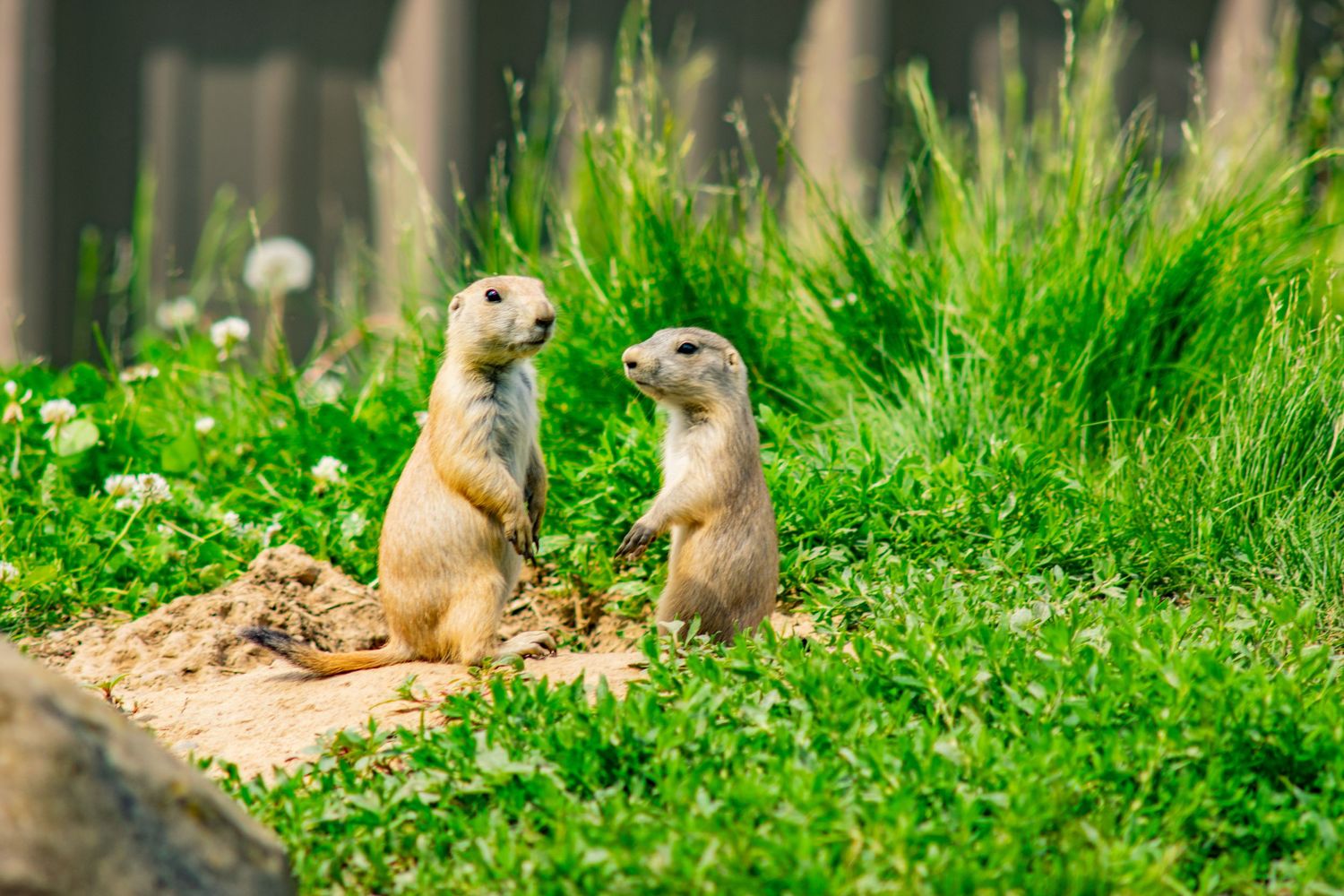
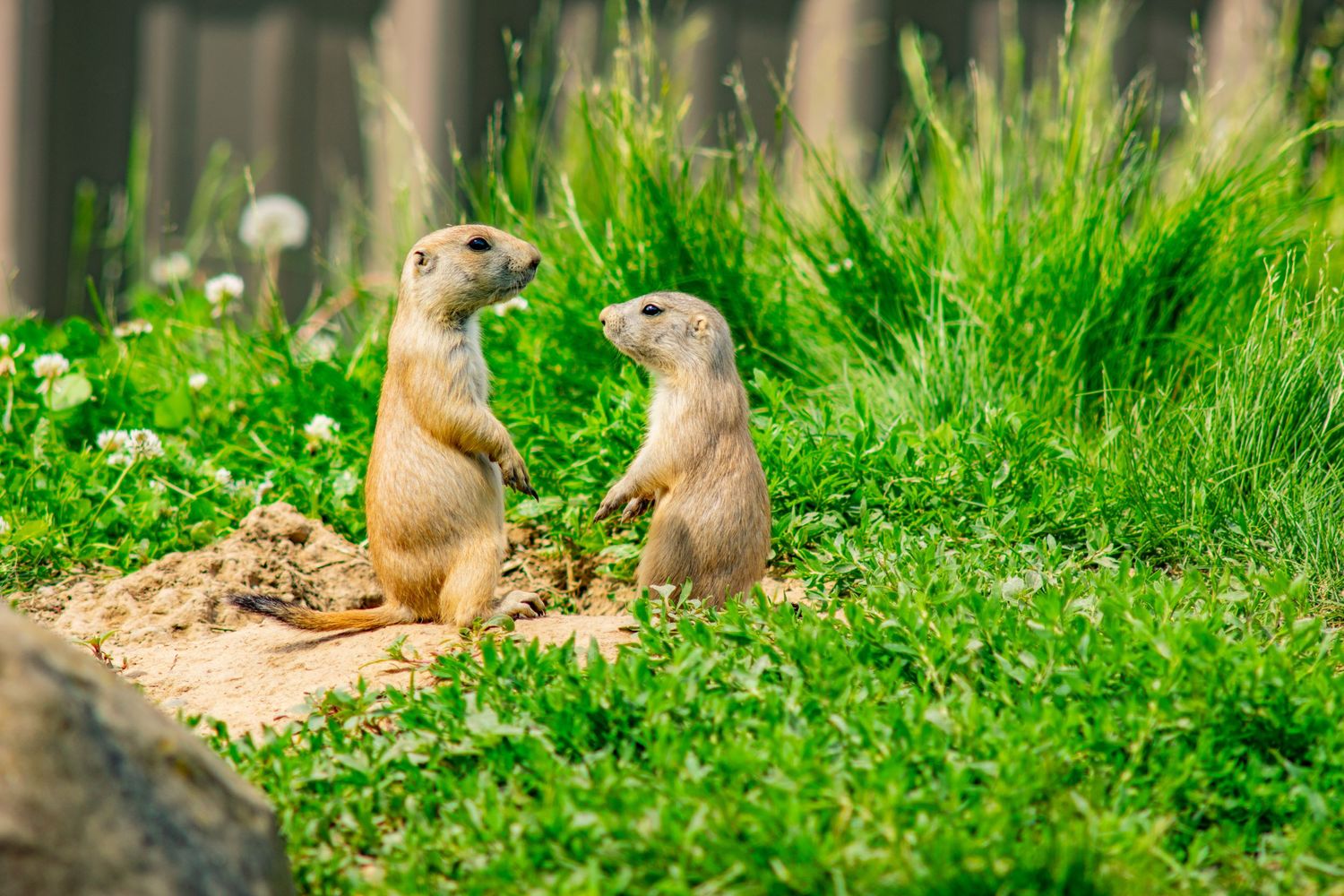
Black-Tailed Prairie Dogs are up next, another one that is greatly familiar to Coloradans. When I first moved to Colorado back in 2015, I was so excited to see these little ones popping up all over the place in the Eastern plains. I was warned by locals to not go near them, because apparently they can still carry the Bubonic Plague.
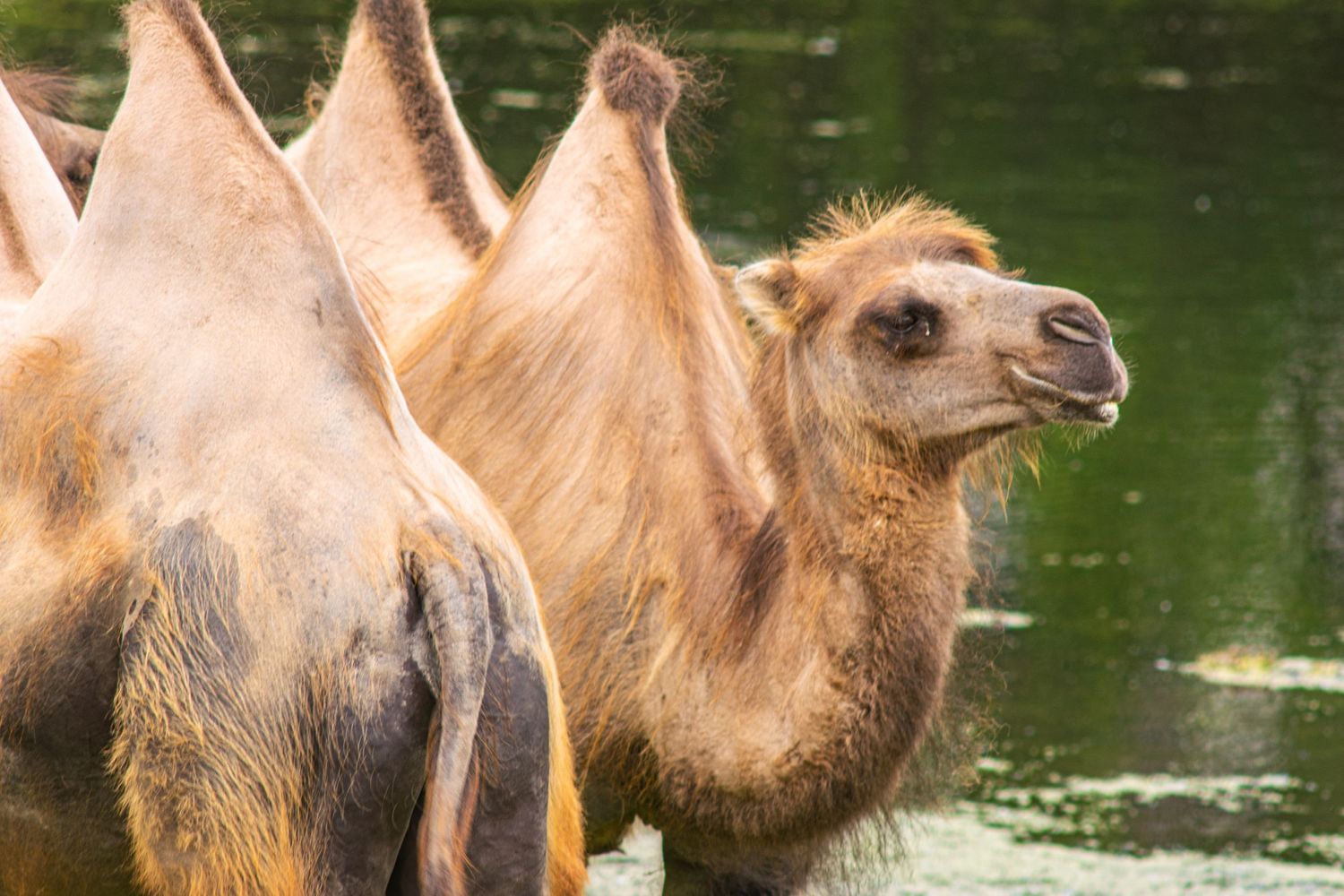
At this point I'm not sure what "Northern Trail" refers to, because I was thinking North American, but the next animal we see is the Bactrian Camel. Maybe it just means Northern Hemisphere? I have no idea. I was always taught that the humps of a camel hold water for when they are out in the desert for long periods of time. Turns out the humps actually store fat as as food source. They have special blood cells that help with hydration.
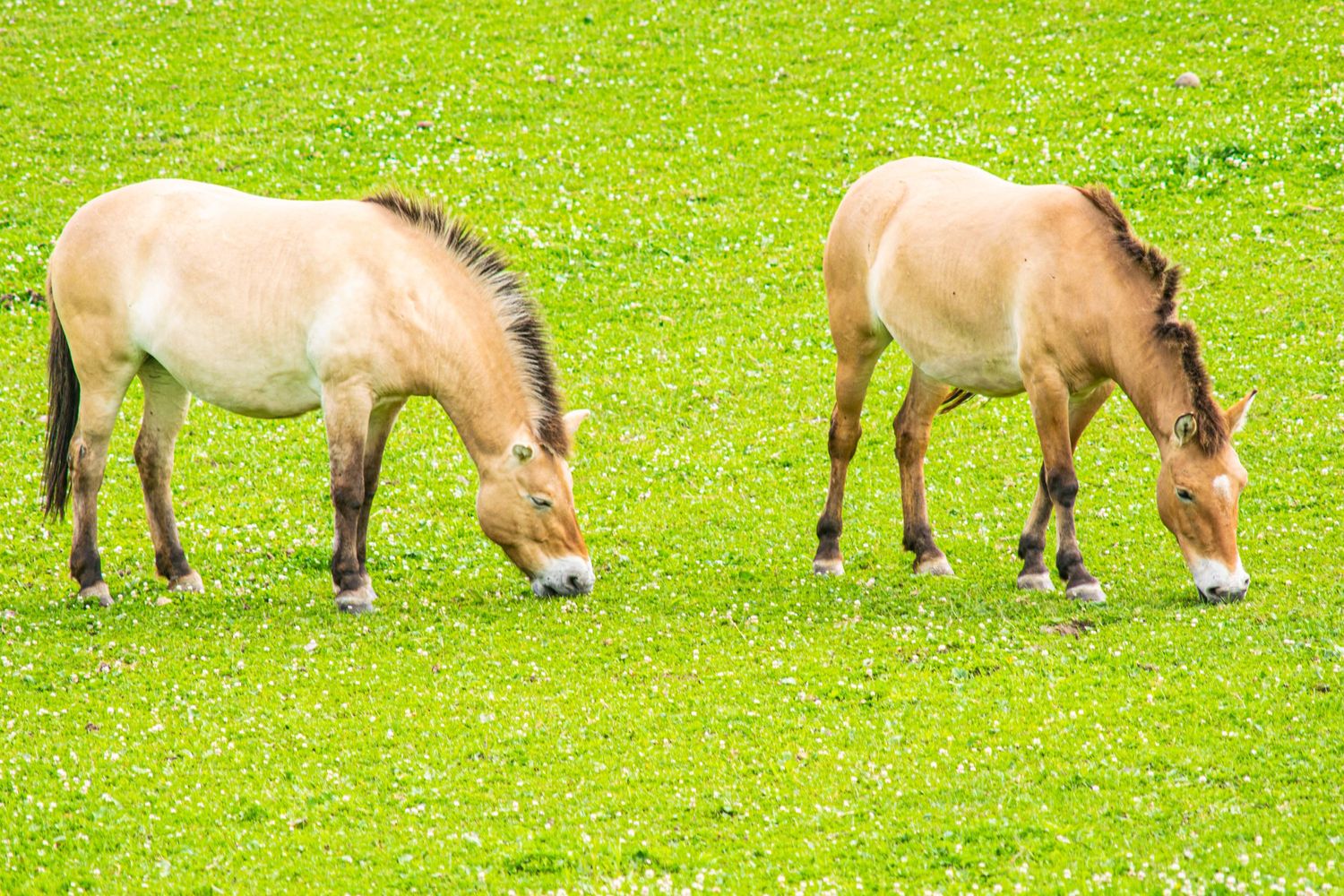
Across from the Bactrian Camel is the Asian Wild Horse. The Asian Wild Horse wilderness population had disappeared completely in the 1960s, but thanks to zoos and conservation efforts, there are now about 500 wild Asian Wild Horses.
Llama Trek
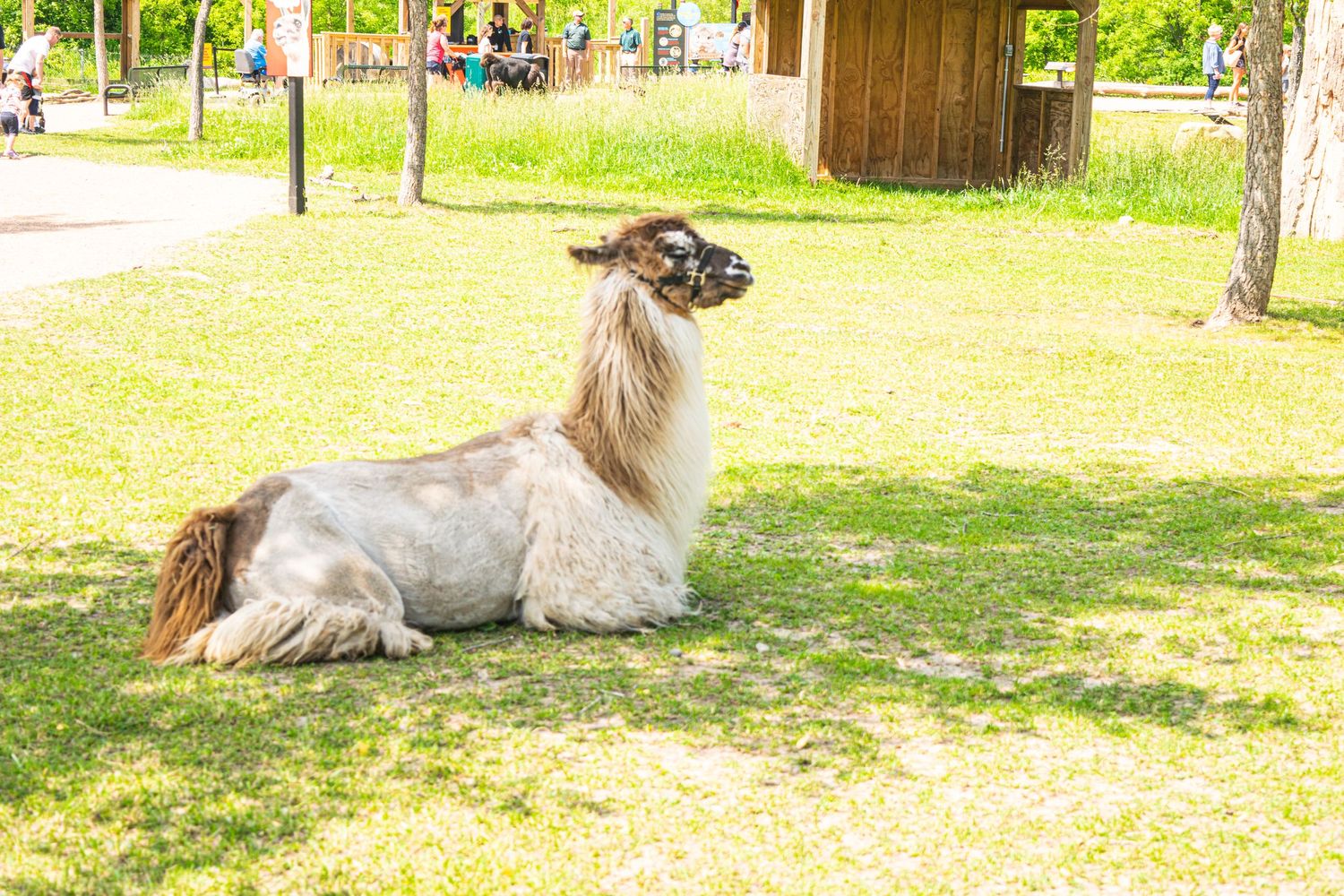
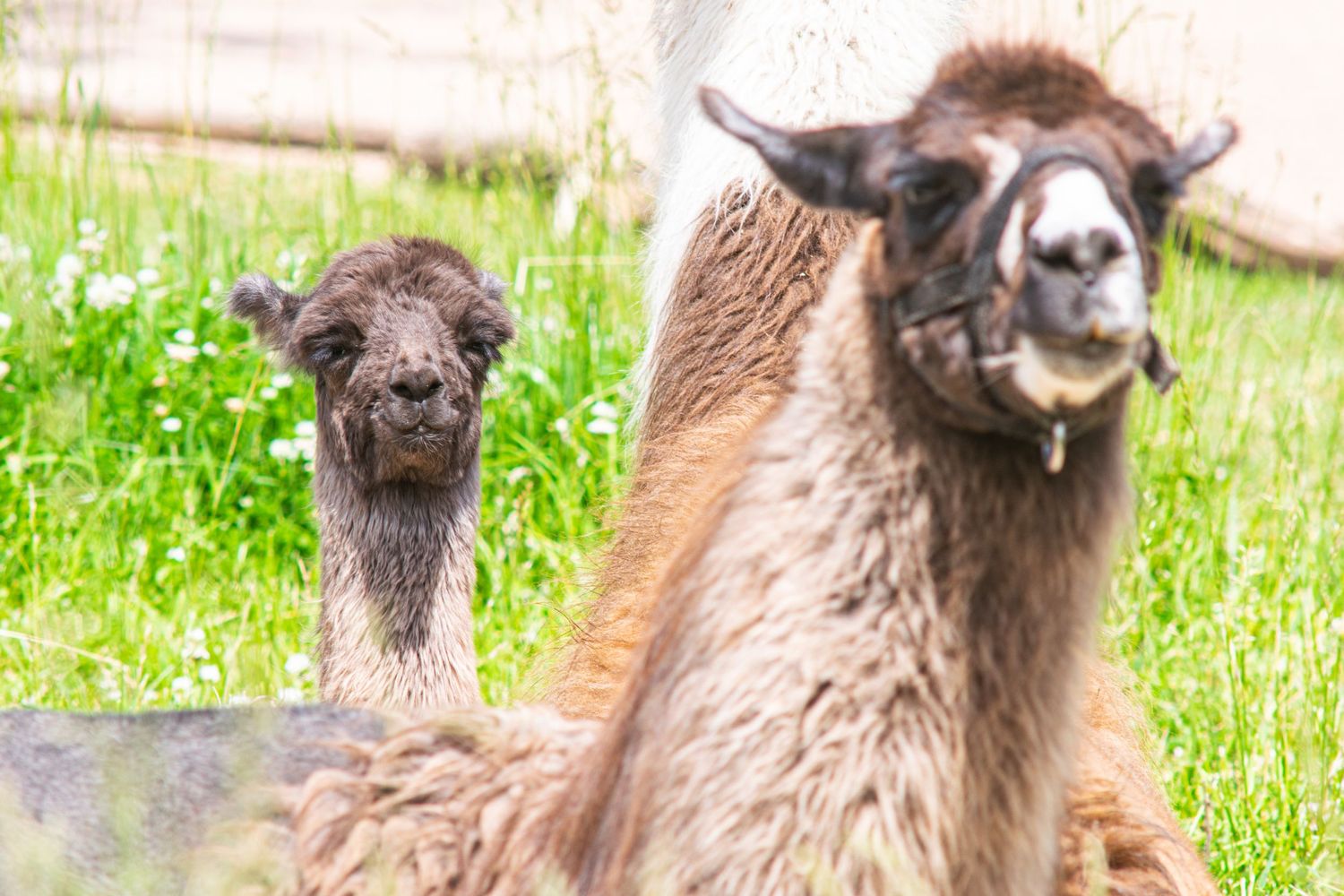
We come upon our favorite part of the zoo - the Llama Trek. It's a seasonal exhibit, but we are both so happy to be here at the right time for this experience. The Llama Trek allows people to walk amongst the llamas. The llamas are usually on the grassy areas, and humans are required to stay on the paved walkways. There are even some younger llamas in the mix with the older ones. For the most part they are all laying down, perhaps for an afternoon nap.
Wells Fargo Family Farm
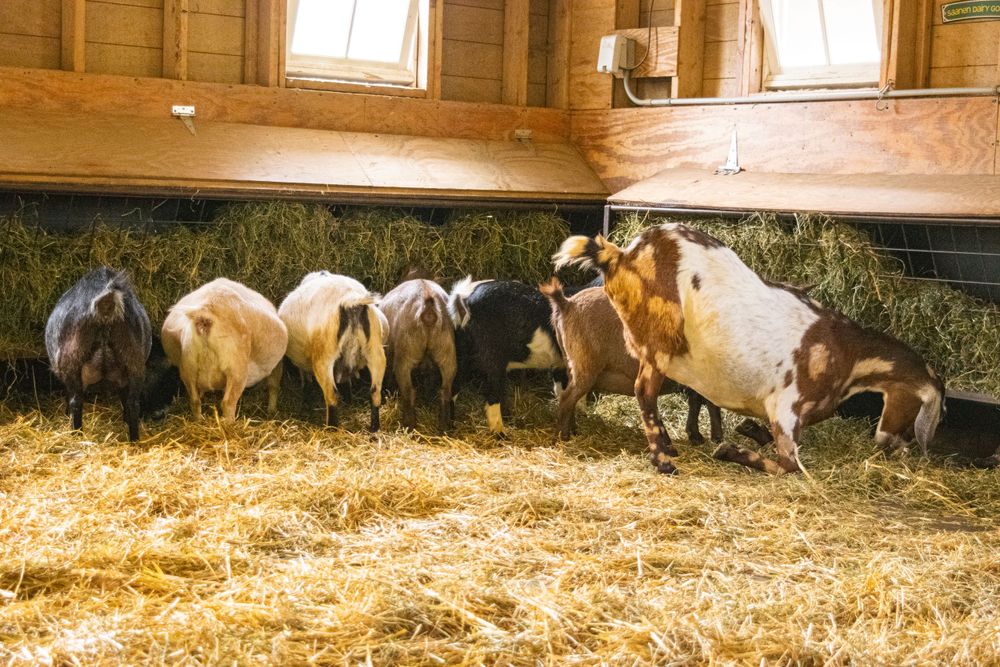
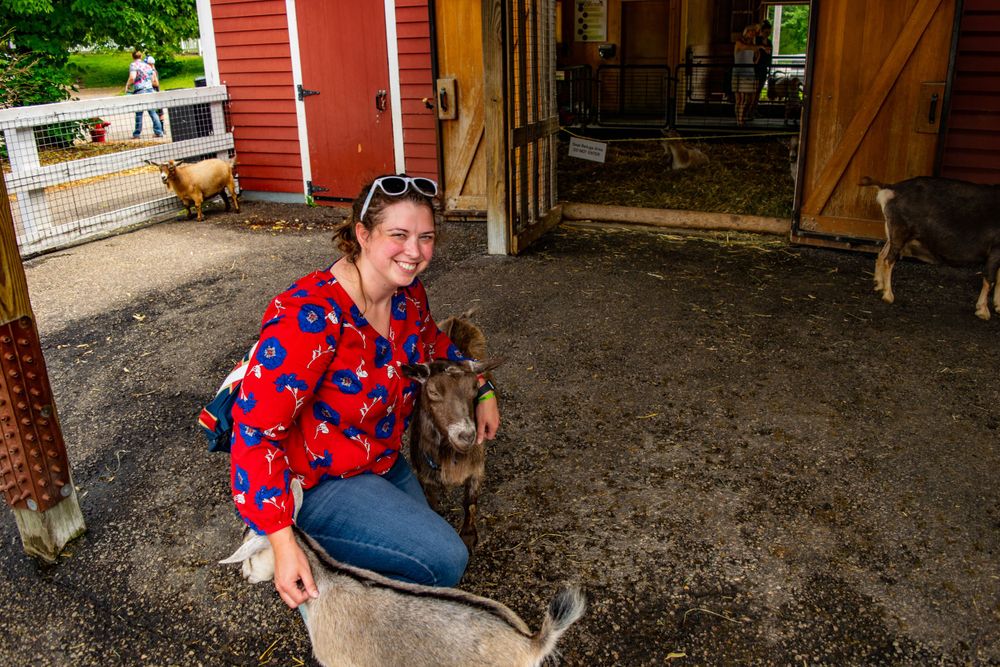
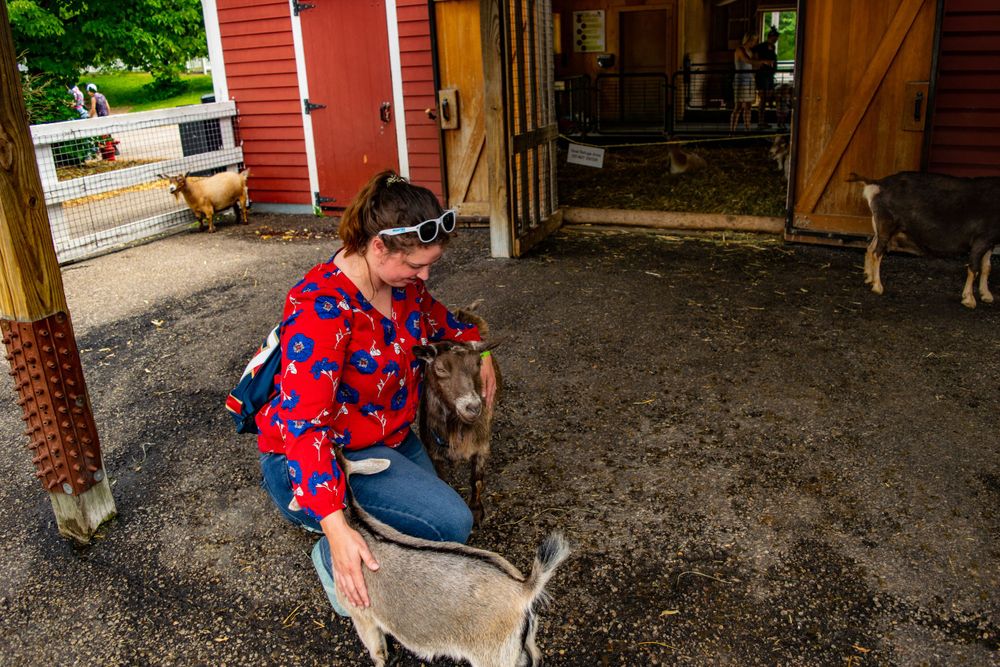
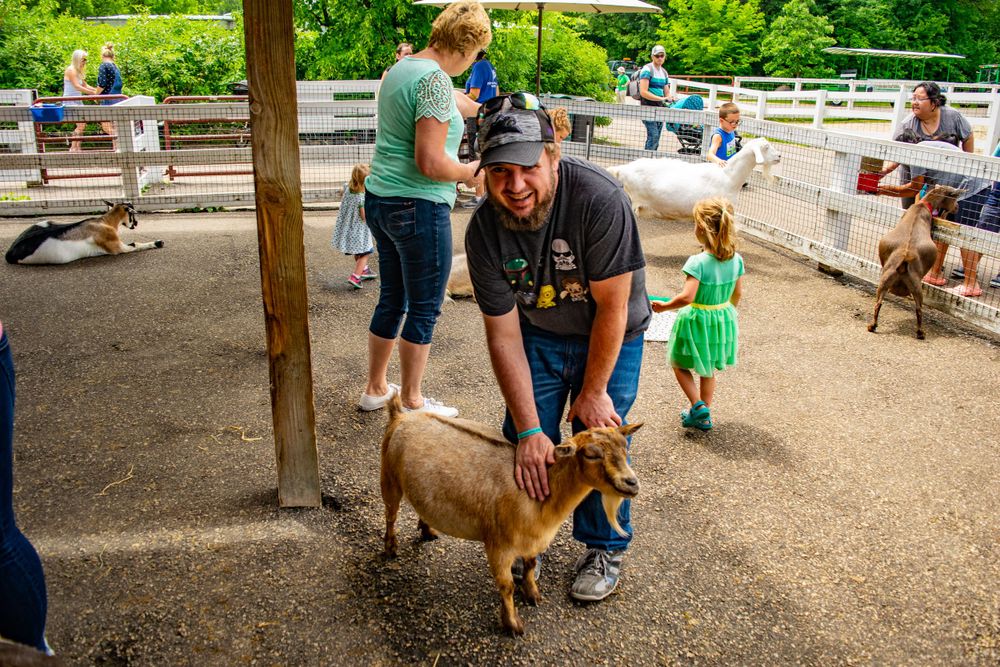
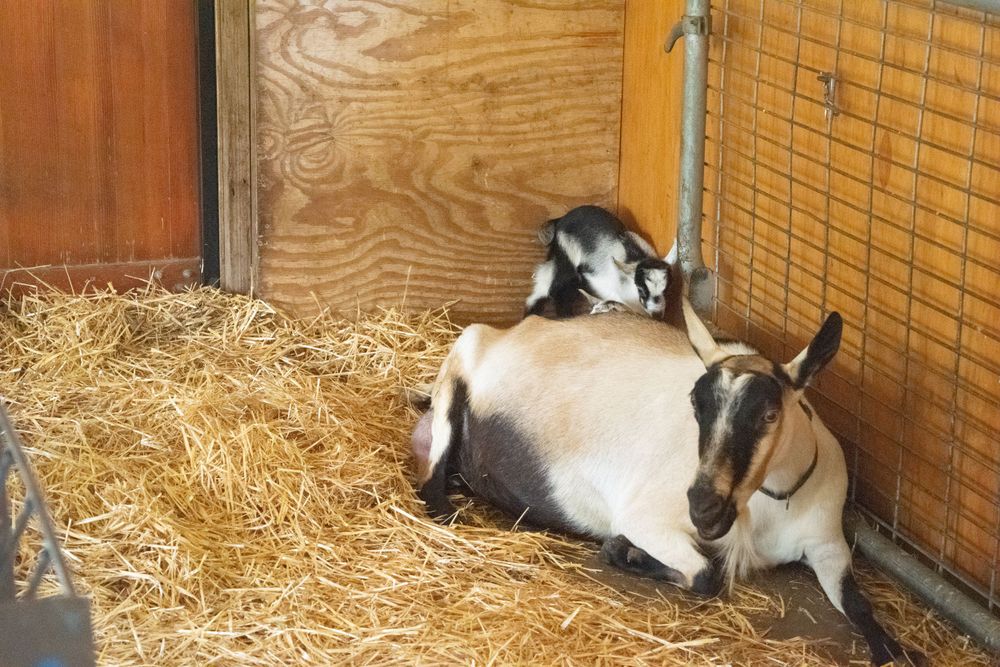
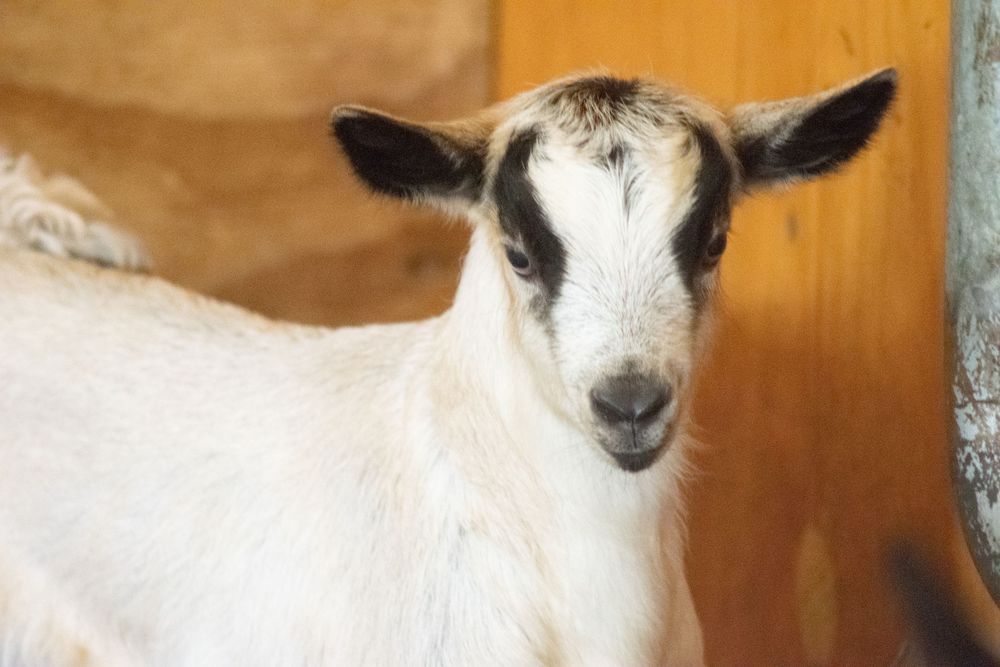
There is a road that leads away from the Northern Trail, so we follow that back to go to the Wells Fargo Family Farm. It is just as expected - it's a farm with farm animals, but it's really cute. There is a goat barn with a guarded area where the goats can eat along with a kidding stall. We went outside to join the goats in their yard. They kept gently bumping us with their heads to get attention. They really like to be petted.
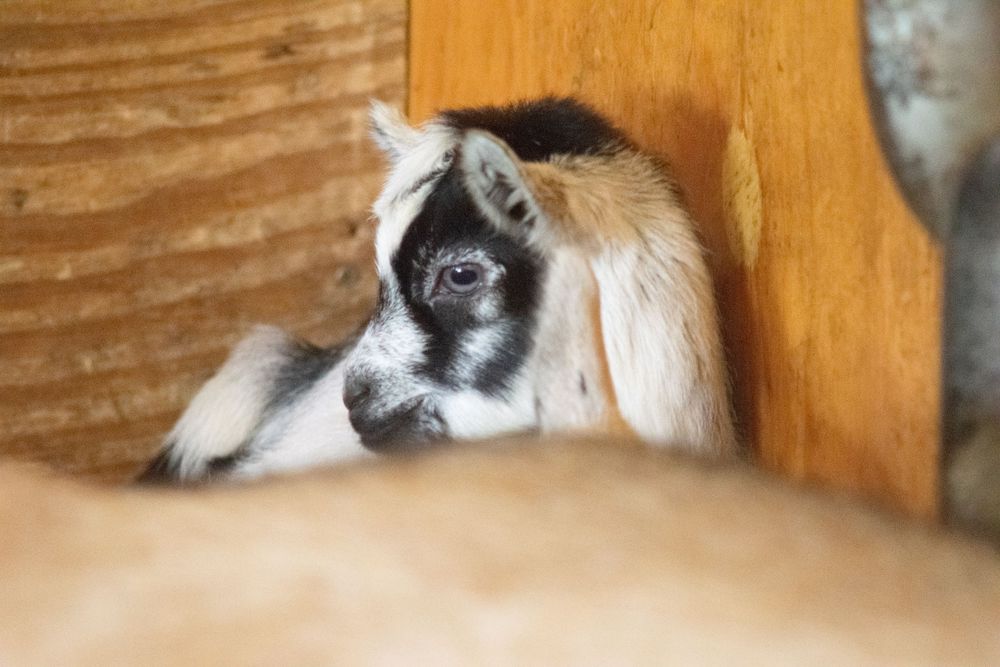
There is a mama goat in the kidding stall! She has two babies. They were hiding behind their mom, but now they are peeking out over her back rump.
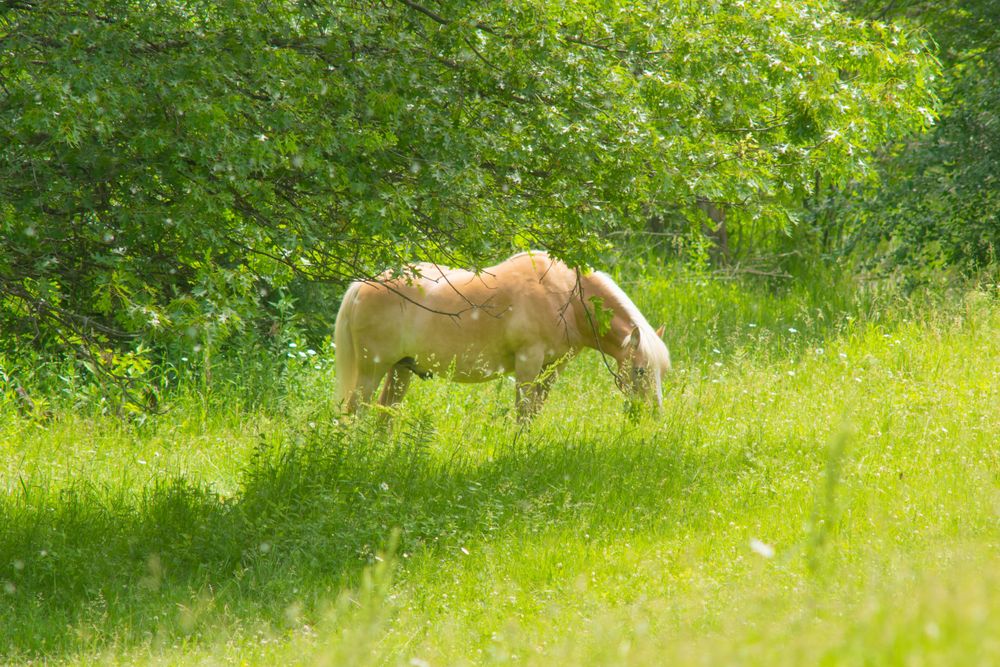
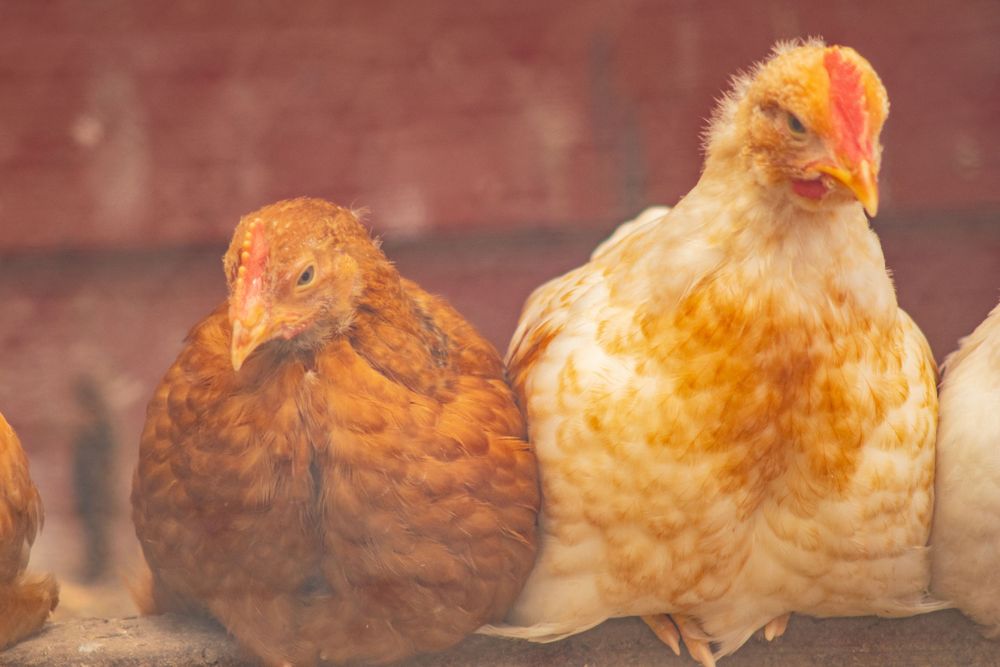
The Wells Fargo Family Farm also features chickens, cows, pigs, rabbits, and horses. Chickens creep me out, but these two were okay. Maybe because they were behind a fence, ha.
Northern Trail (Part 2)
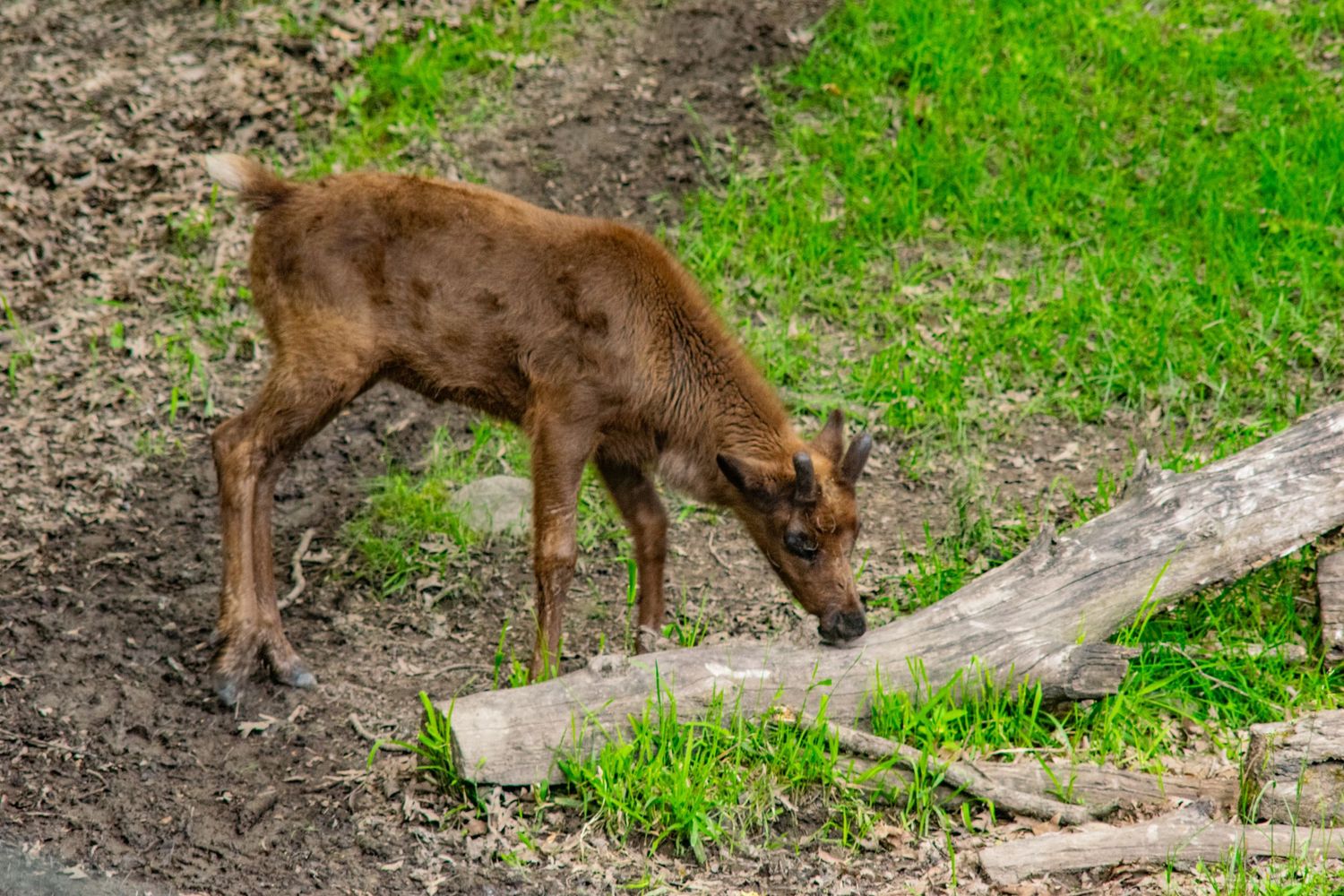
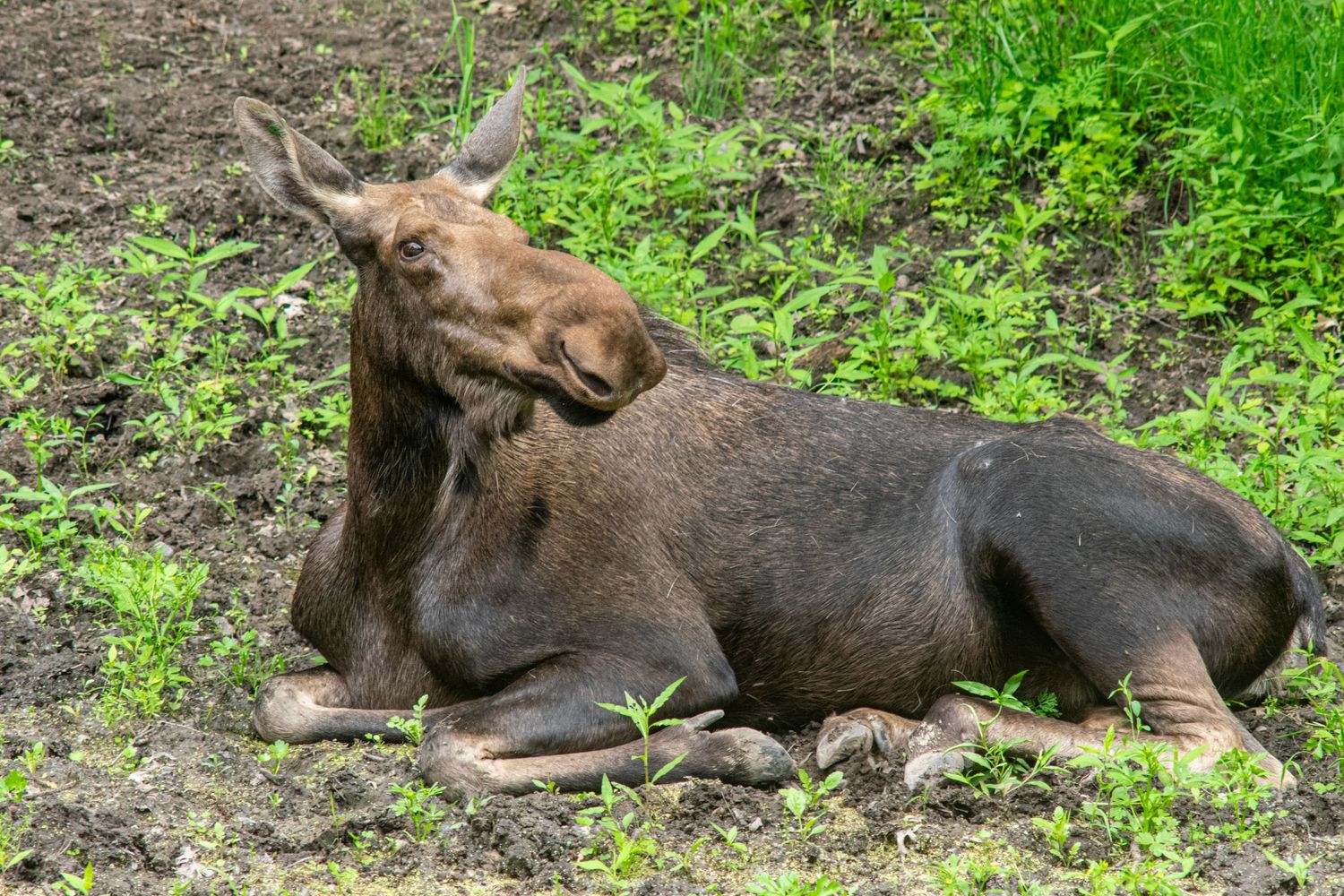
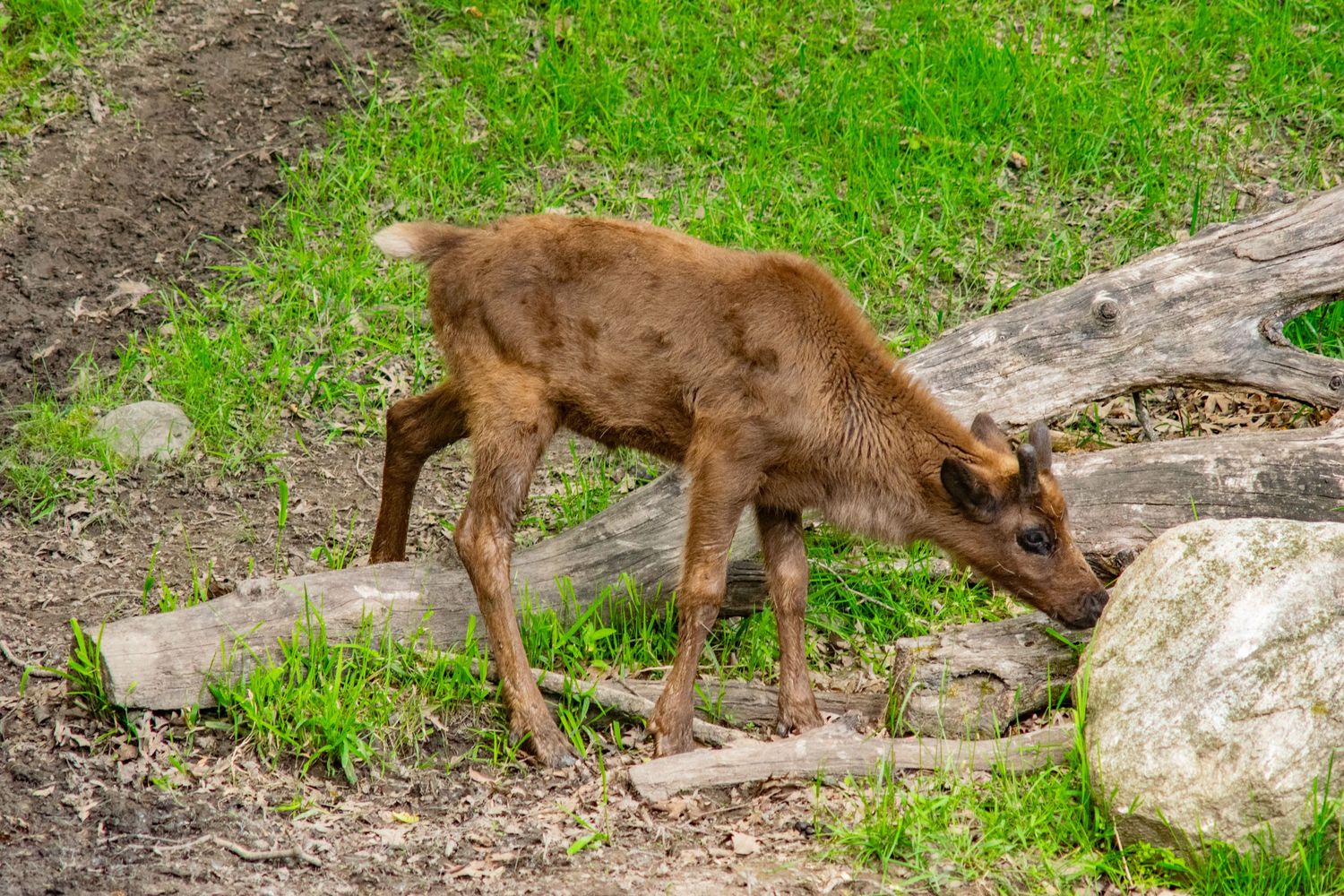
We walk the path back to the Northern Trail, and what do we see next? Moose. Freaking moose. I love moose so much. There is even a baby moose! I feel like I shall float away with happiness. We only see the one cow moose and her calf.
Weesner Family Amphitheater
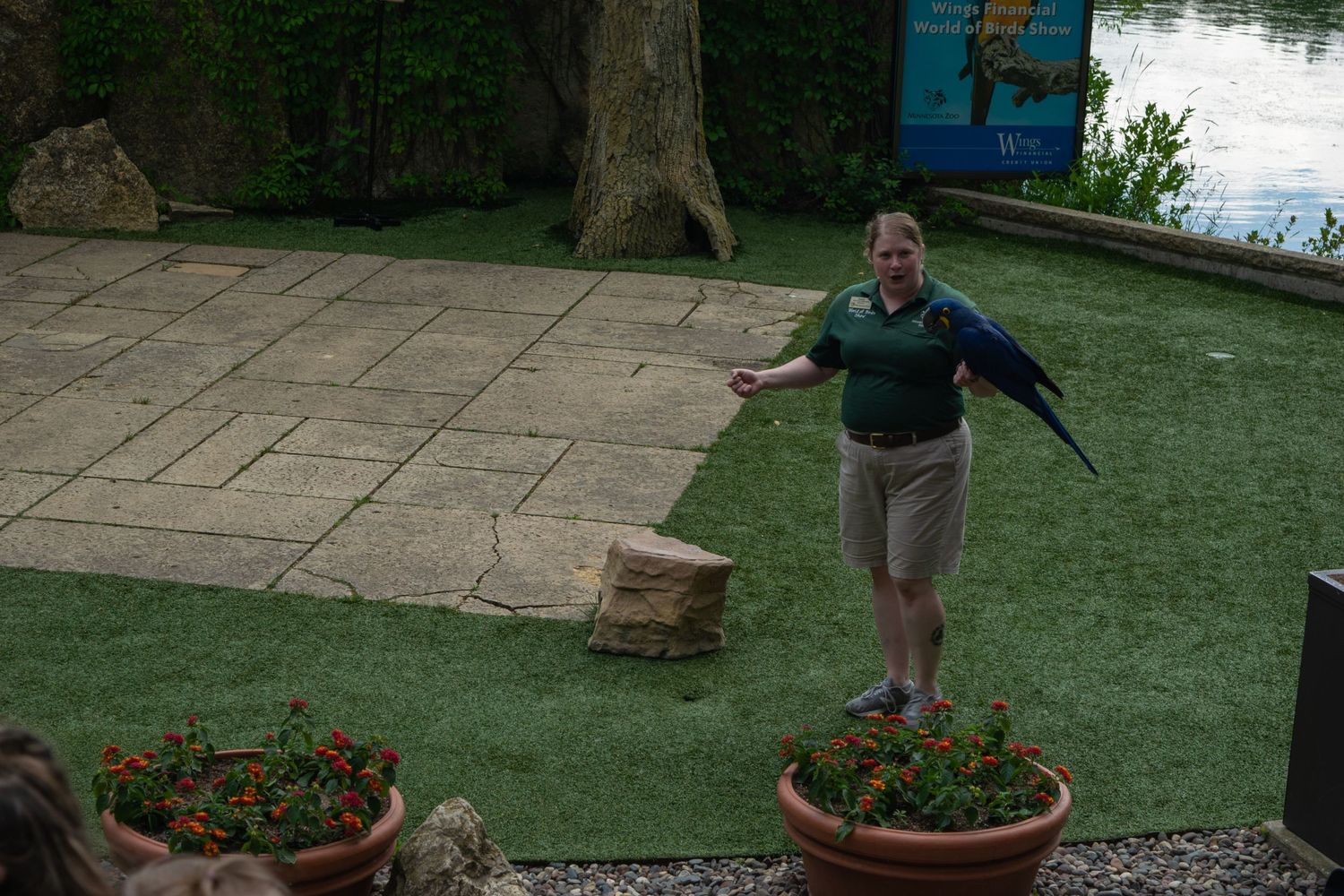
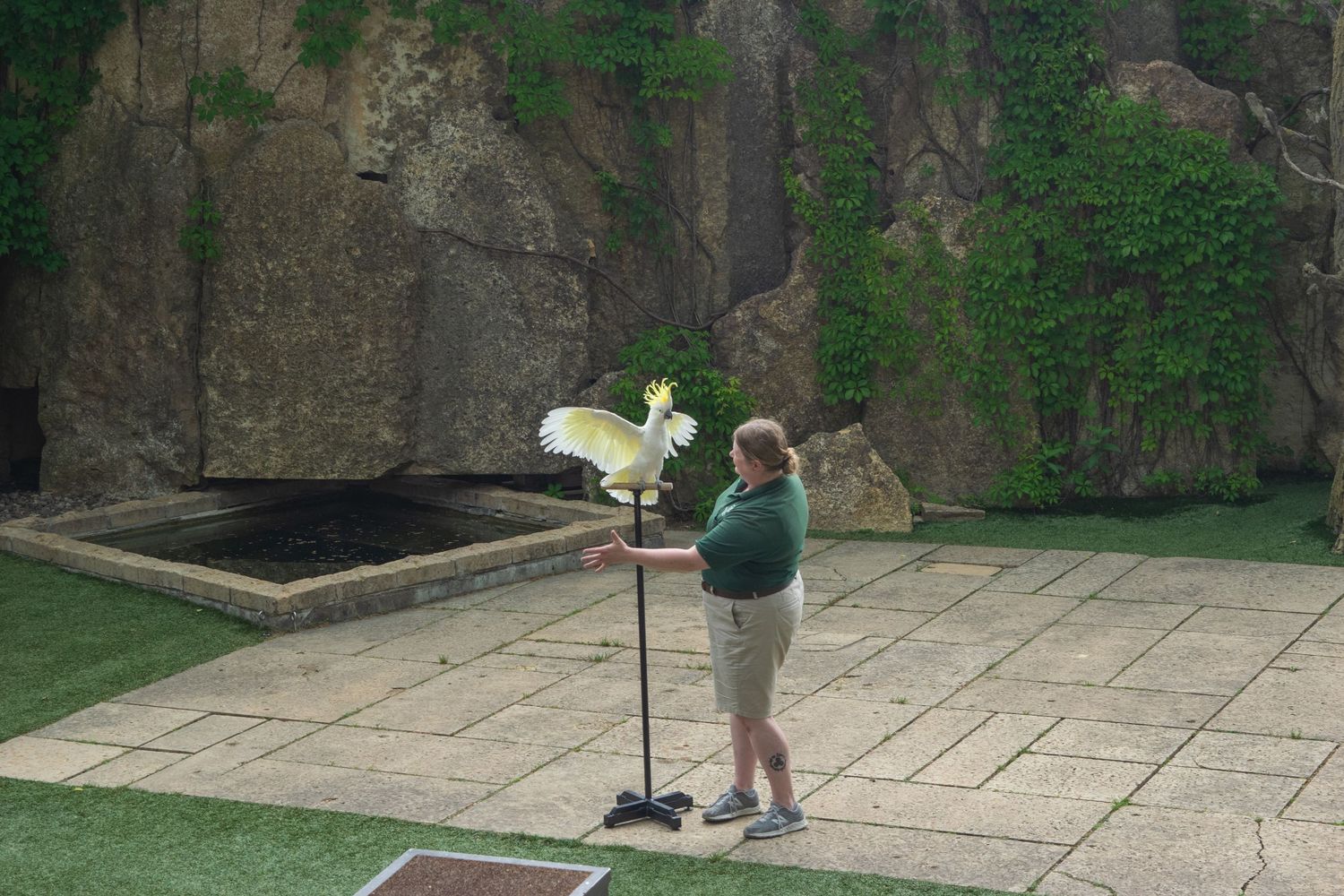
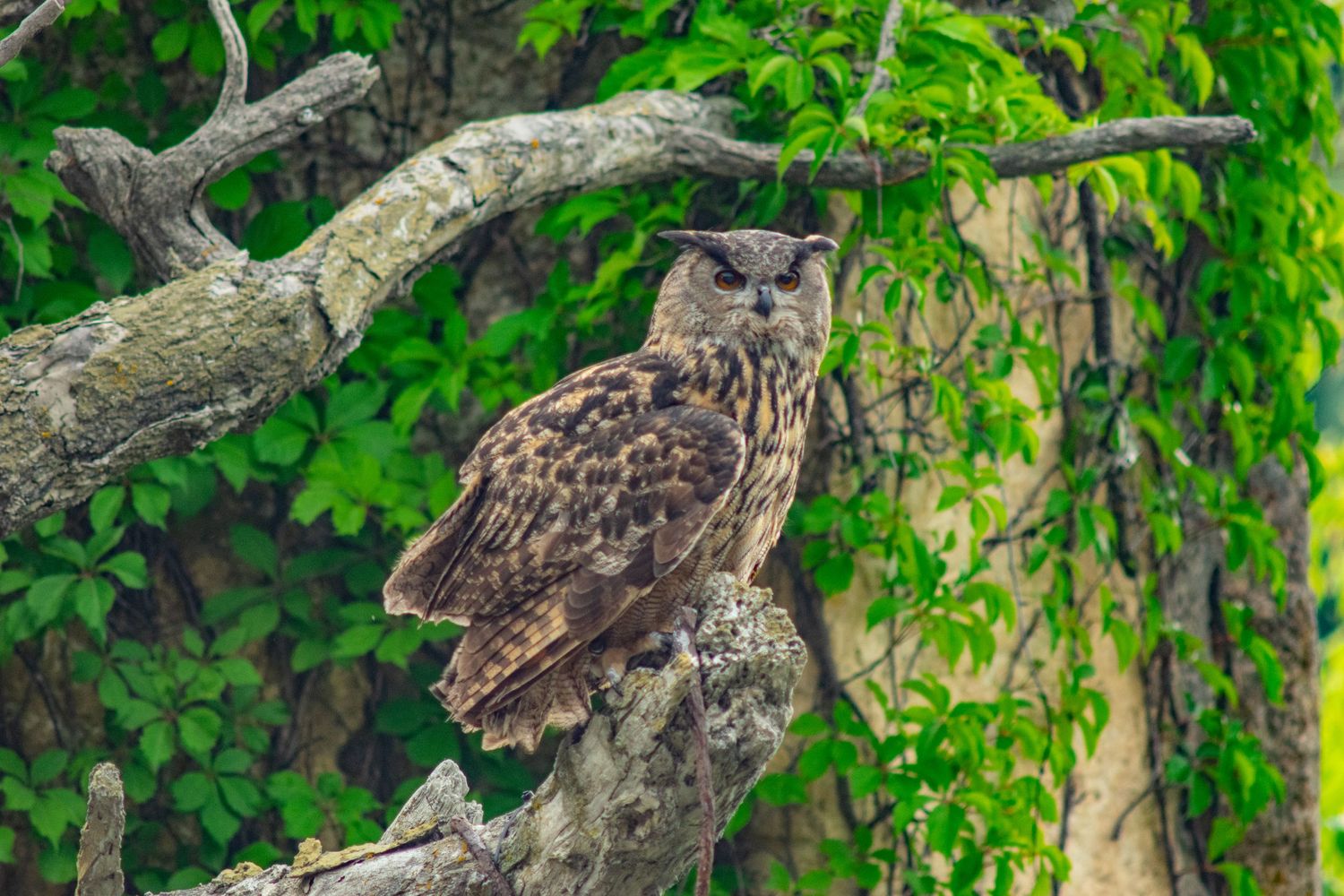
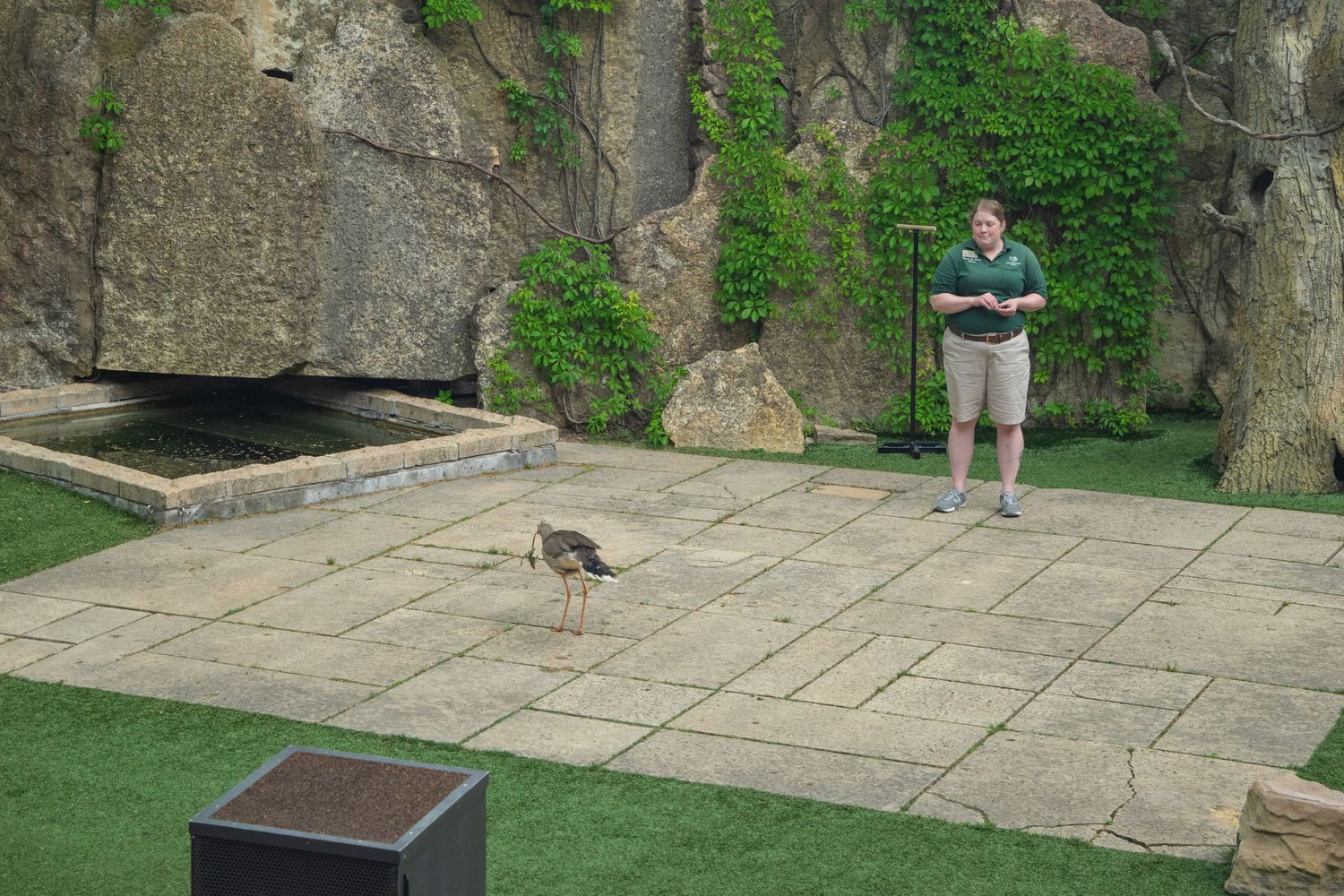
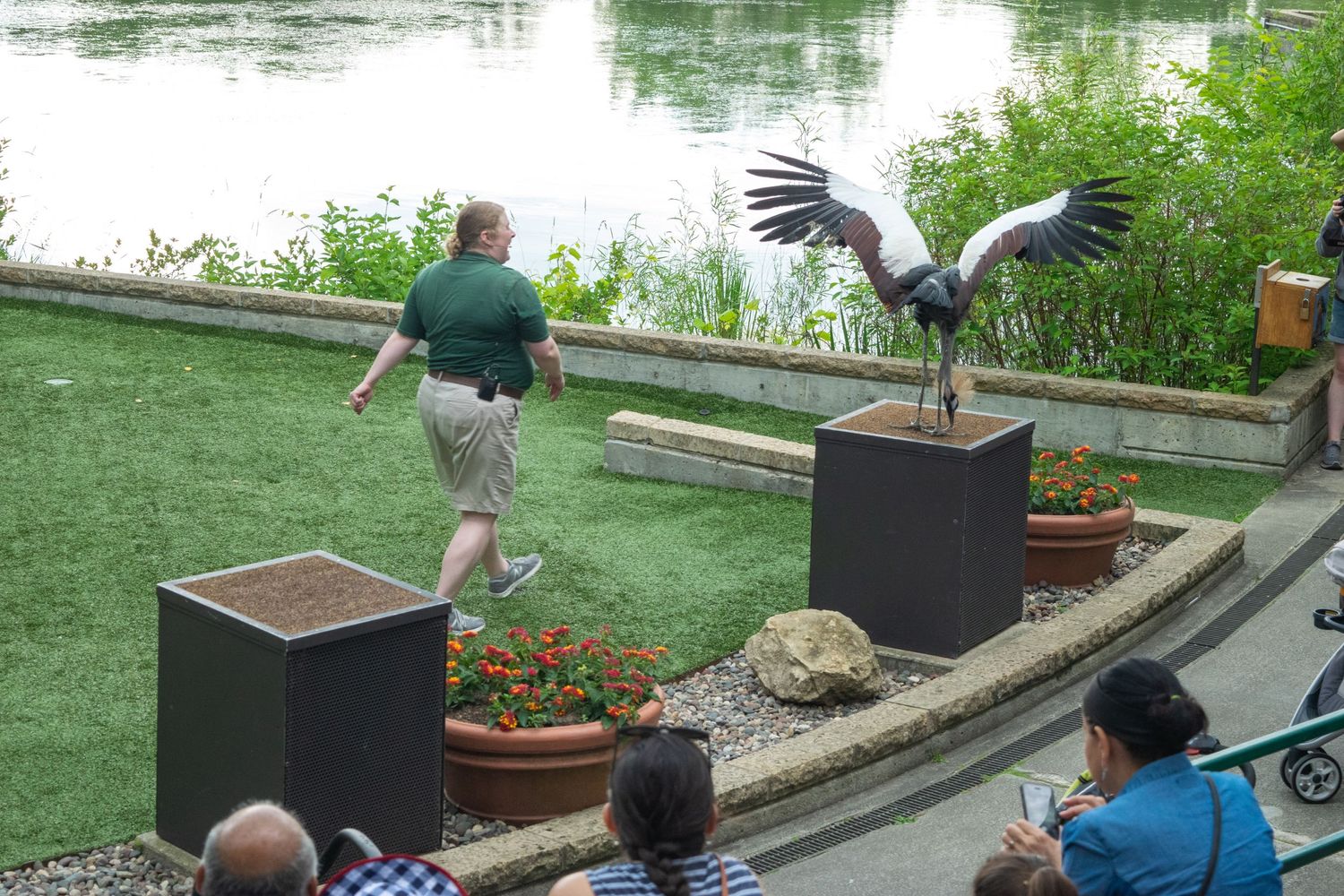
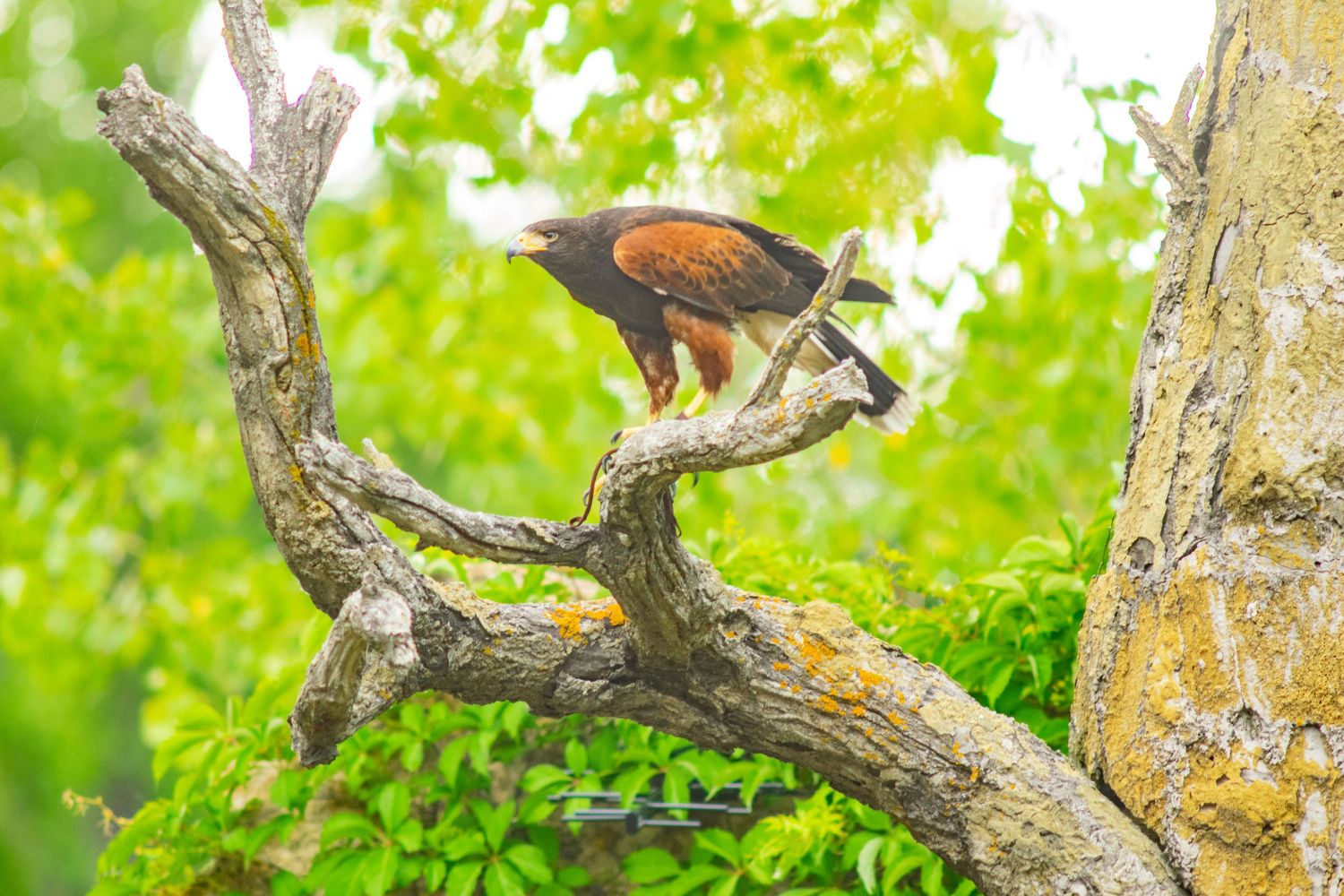
We start to walk by this amphitheater, but notice that it is pretty crowded with people. We realize that an animal demonstration of some kind is about to start, so we take a seat in the middle section. I look around and realize we are the only couple without kids. The show begins, and a zoo staff member walks out in a green polo and khaki shorts. She shows us all kinds of birds including a blue throated macaw, a great sulphur crested cockatoo, an eurasian eagle owl, and a harris hawk. The birds fly around the amphitheater, and it's honestly fun to watch.
Tropics Trail
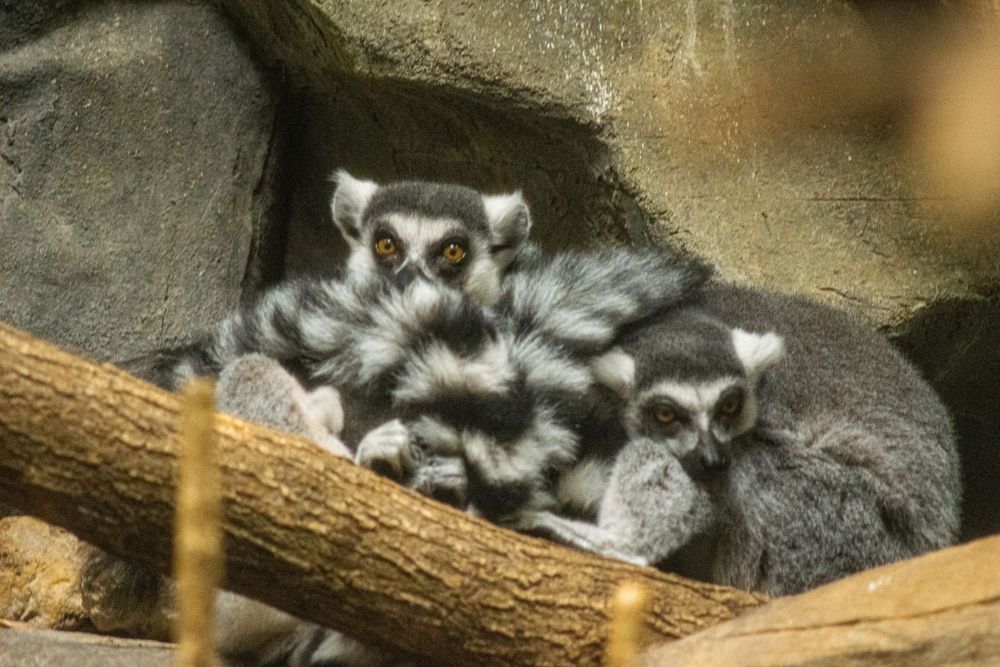
We make our way into our first indoor exhibit, and we see a group of lemurs. I looked this up just for this blog, and a group of lemurs is called a conspiracy.
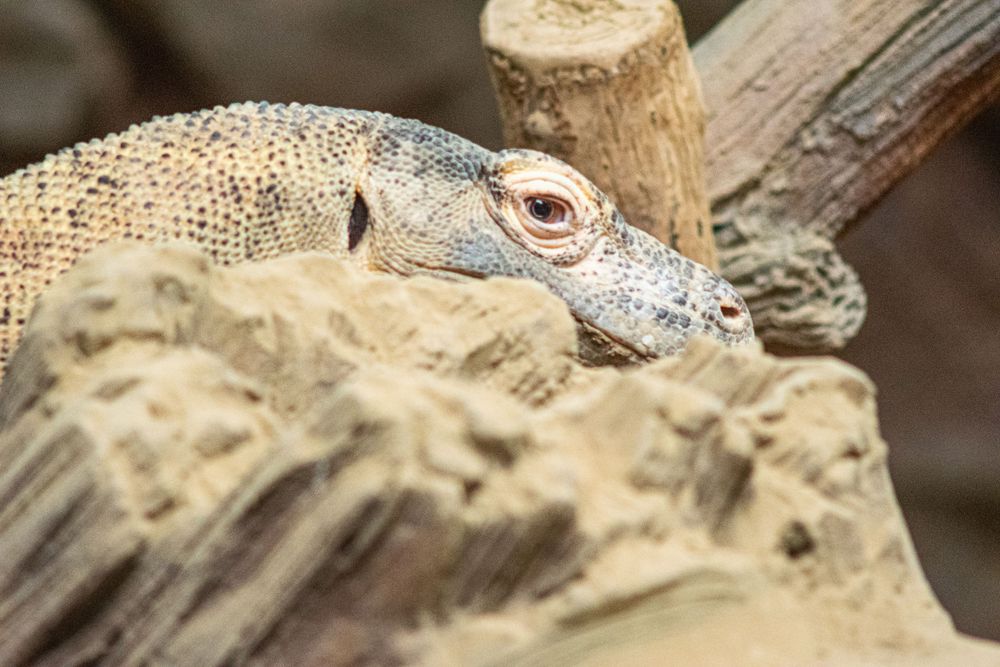
The next animal we see is one of Jeremy's favorites to see at a zoo - the Komodo Dragon. These creatures are huge, but I was still surprised to learn that they feast on water buffalo!
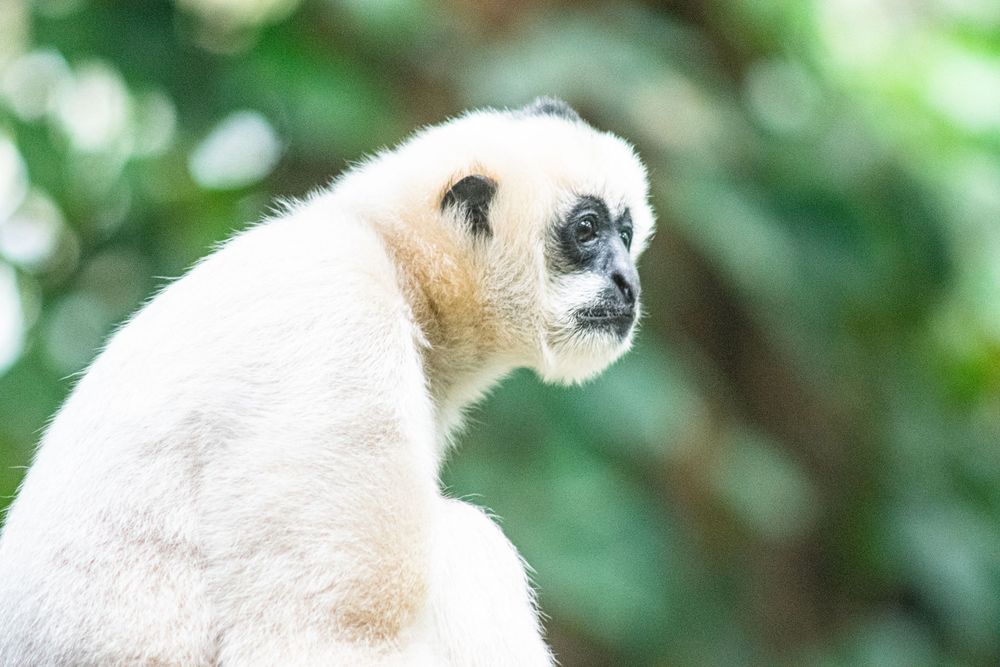
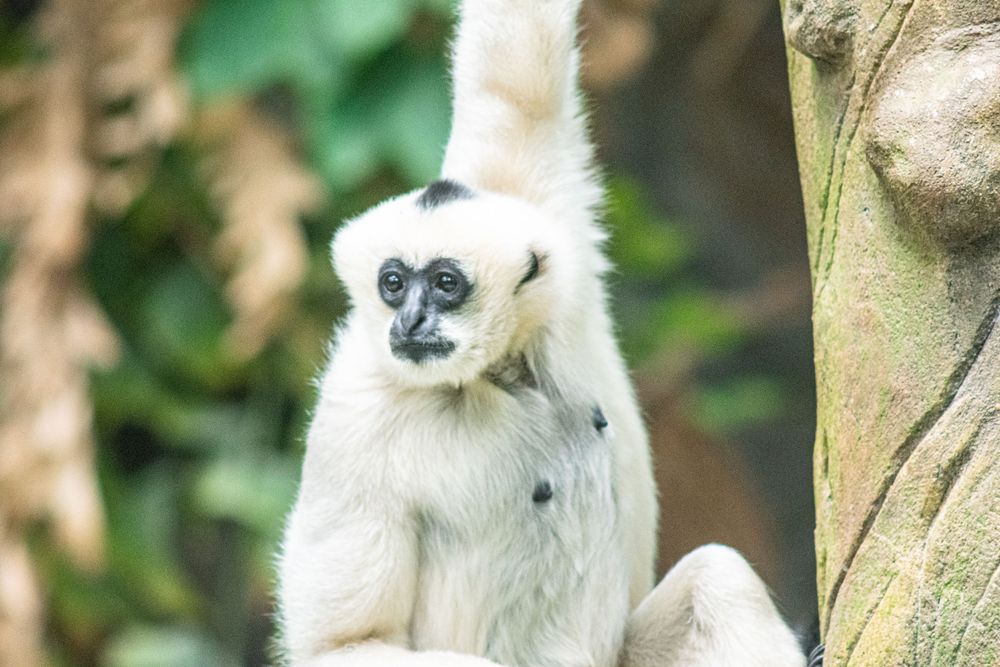
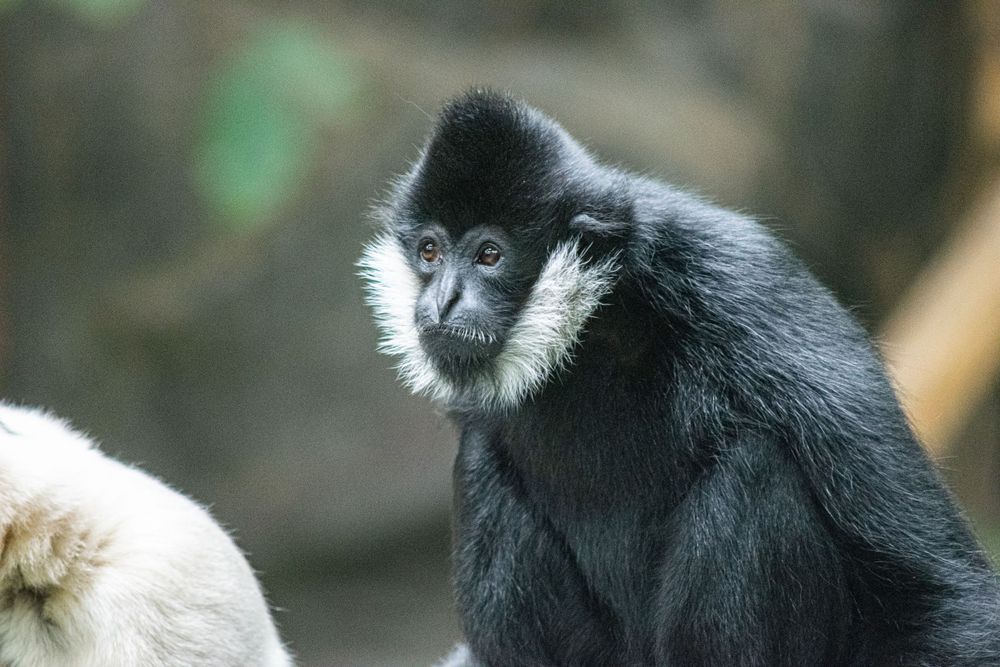
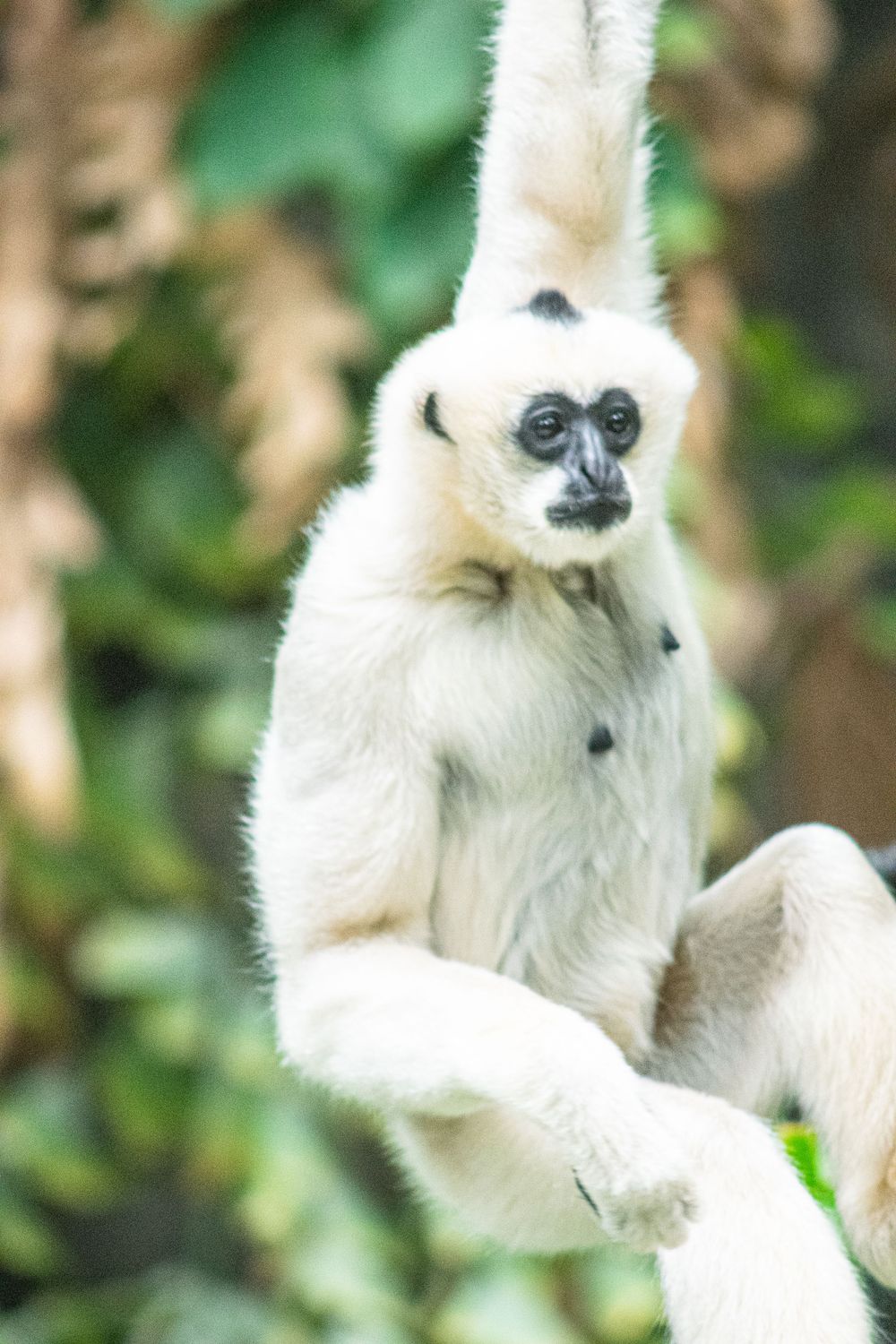
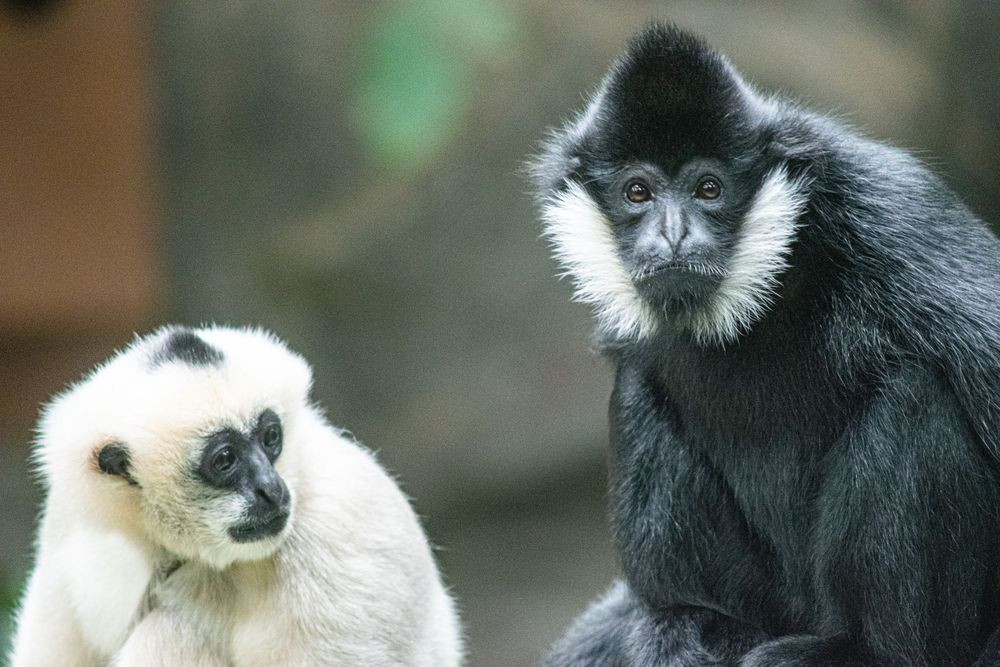
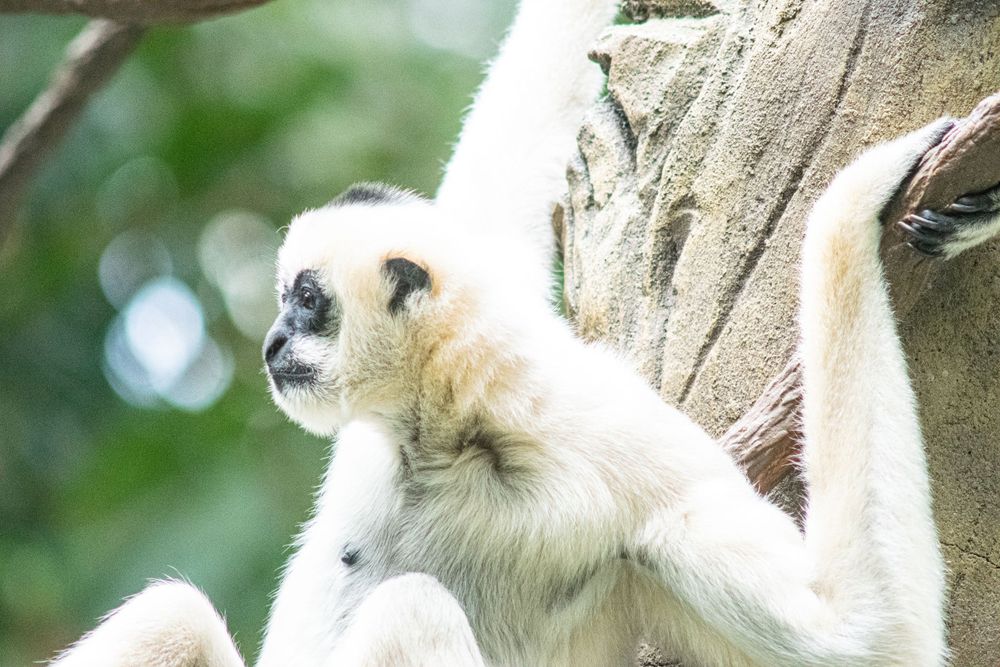
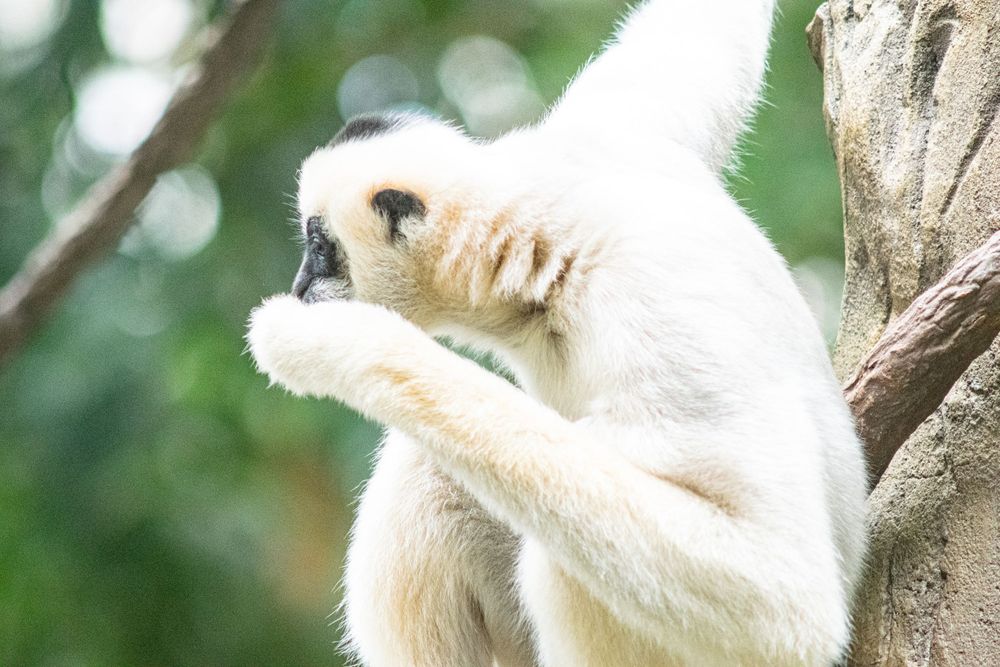
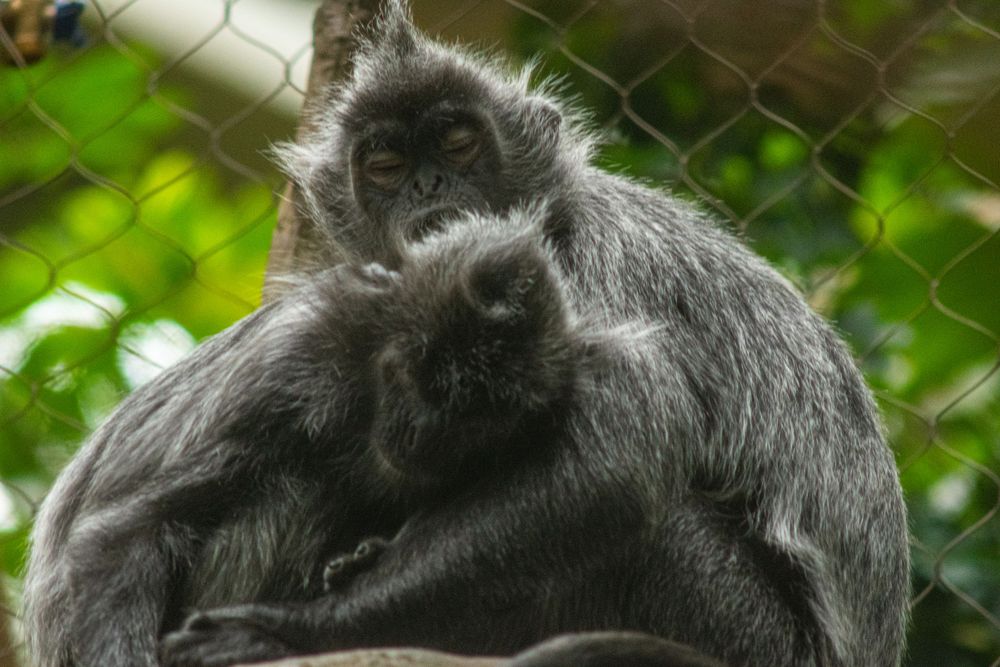
Jeremy also loves monkeys, so the Tropics Trail might be his favorite exhibit of the Minnesota Zoo. The white-cheeked gibbon is very fun to watch. They like to spend their spare time swinging between branches of trees. They are extremely playful, and will often just "hang out", literally. Unfortunately, the white-cheeked gibbon is critically endangered. Extensive logging in Laos, Vietnam has removed a large portion of their natural habitat. A fun thing the white-cheeked gibbons do is that they will have singing competitions to establish their eating territory.
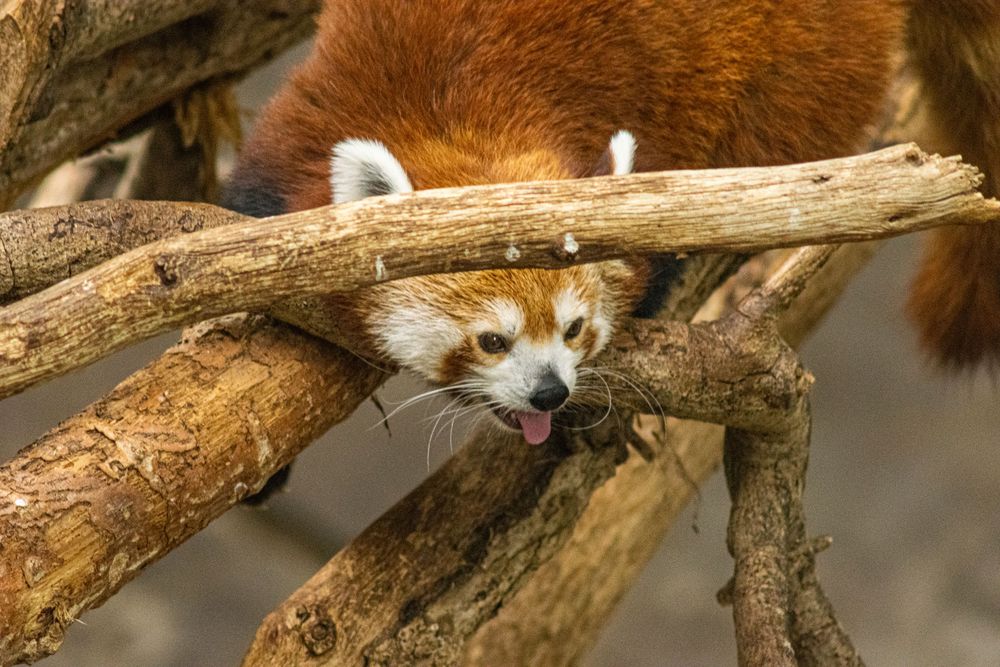
We are both excited to see a red panda at the Minnesota Zoo. As we are admiring the red panda, he or she starts to stick their tongue out at people! By the way, they are named red pandas because when they were first discovered, people thought that they were related to the giant panda. Turns out, they are more closely related to the raccoon, which makes perfect sense to me.
Medtronic Minnesota Trail
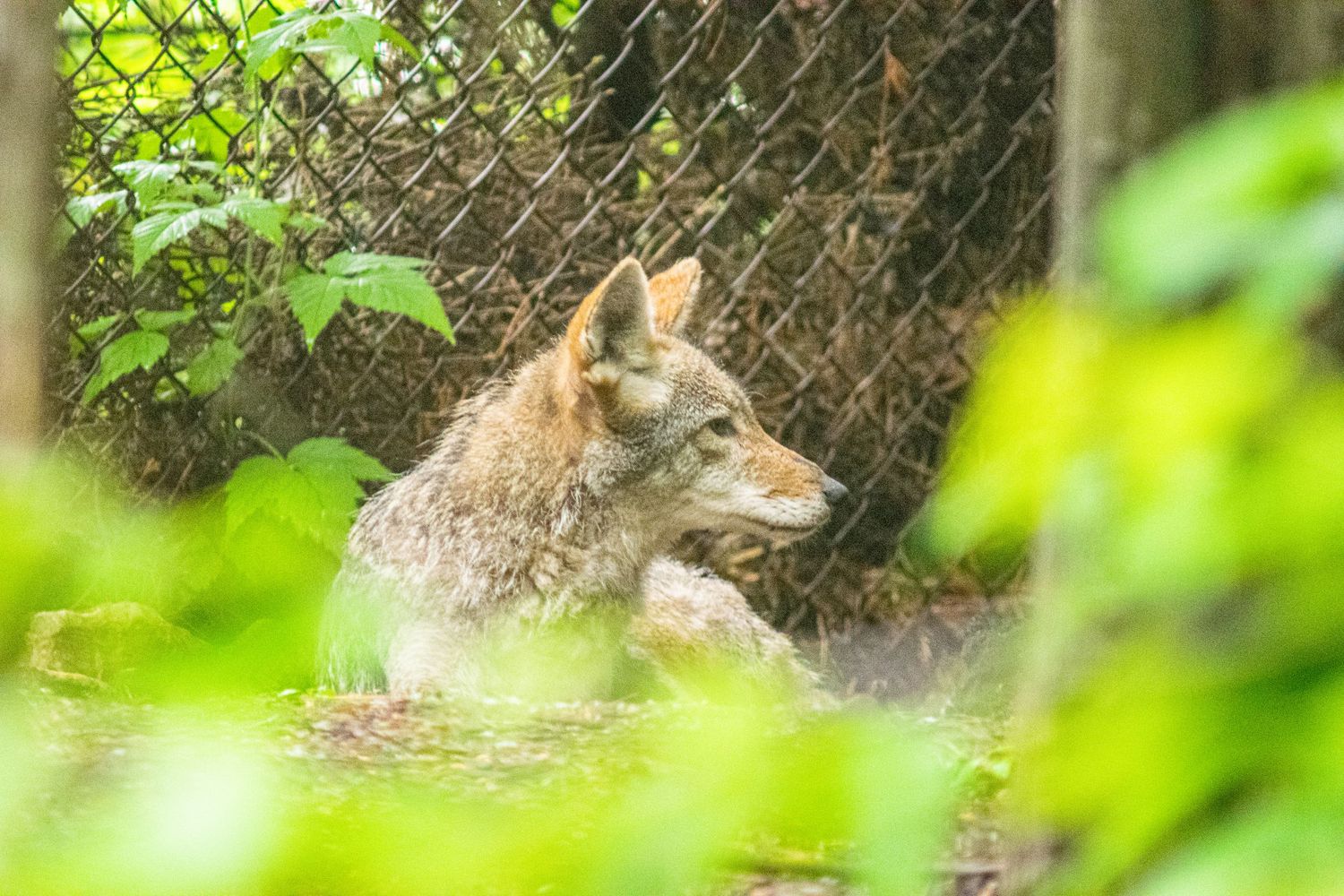
There is a second exhibit right next to the Tropics Trail that features animals found in Minnesota. I am surprised to see a coyote. I know a lot of people don't like coyotes, but I think they are beautiful.
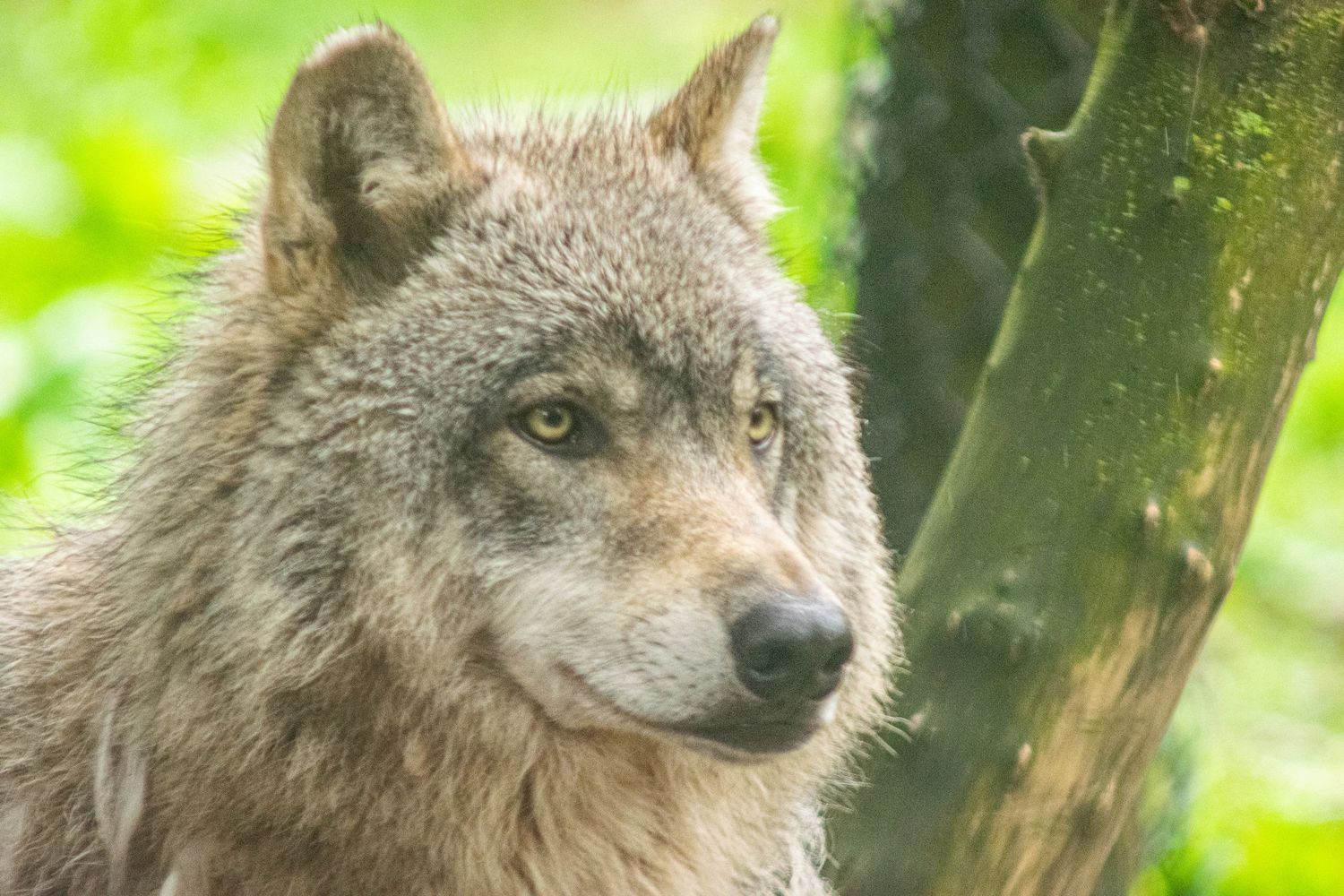
The gray wolf is near the coyote. They used to be found all across Minnesota, but hunters depleted their populations drastically. Now they find refuge in the forests in the northern part of the state.
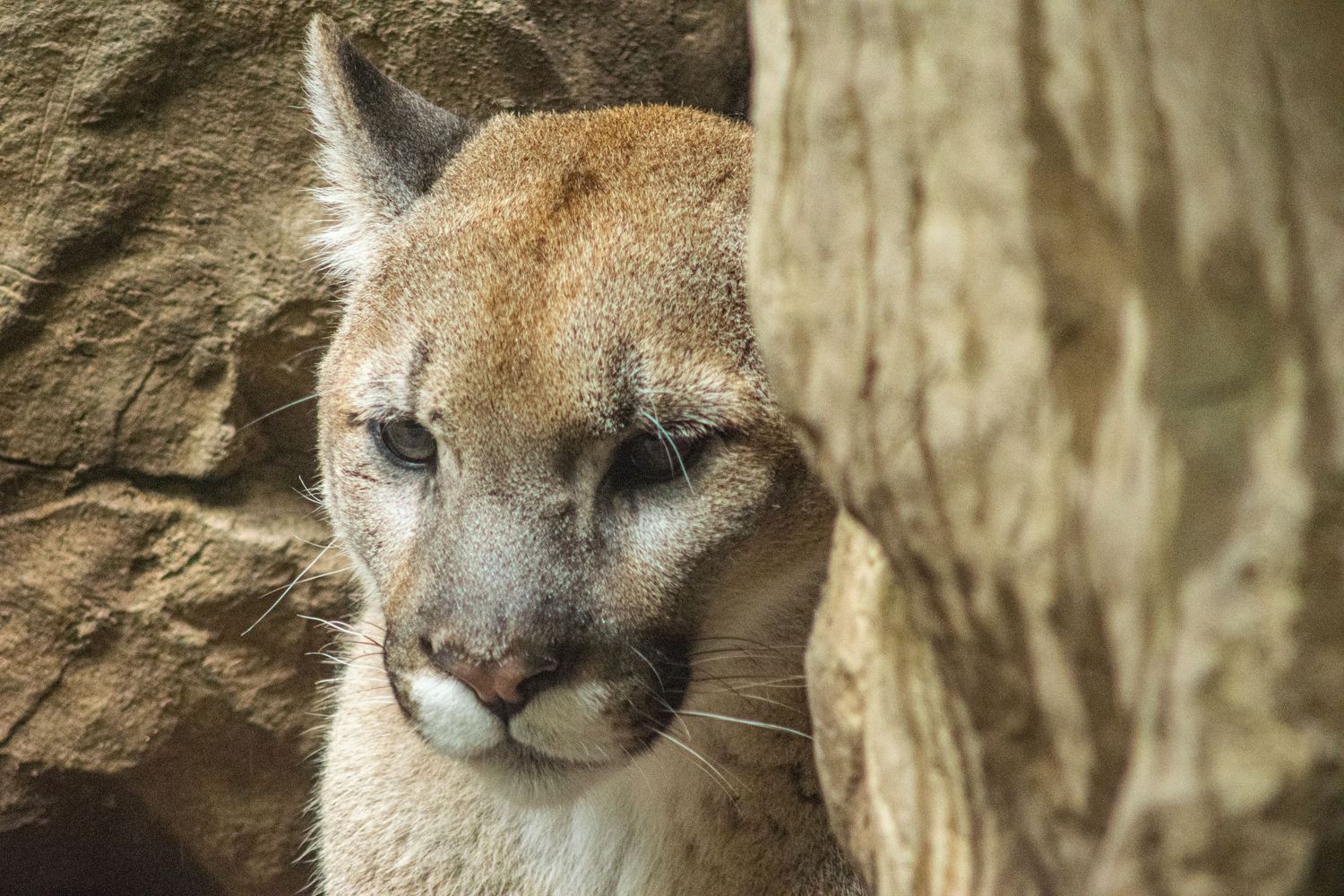
The next animal we see is a puma. A puma is also known by other names: cougar, mountain lion, panther, and catamount.
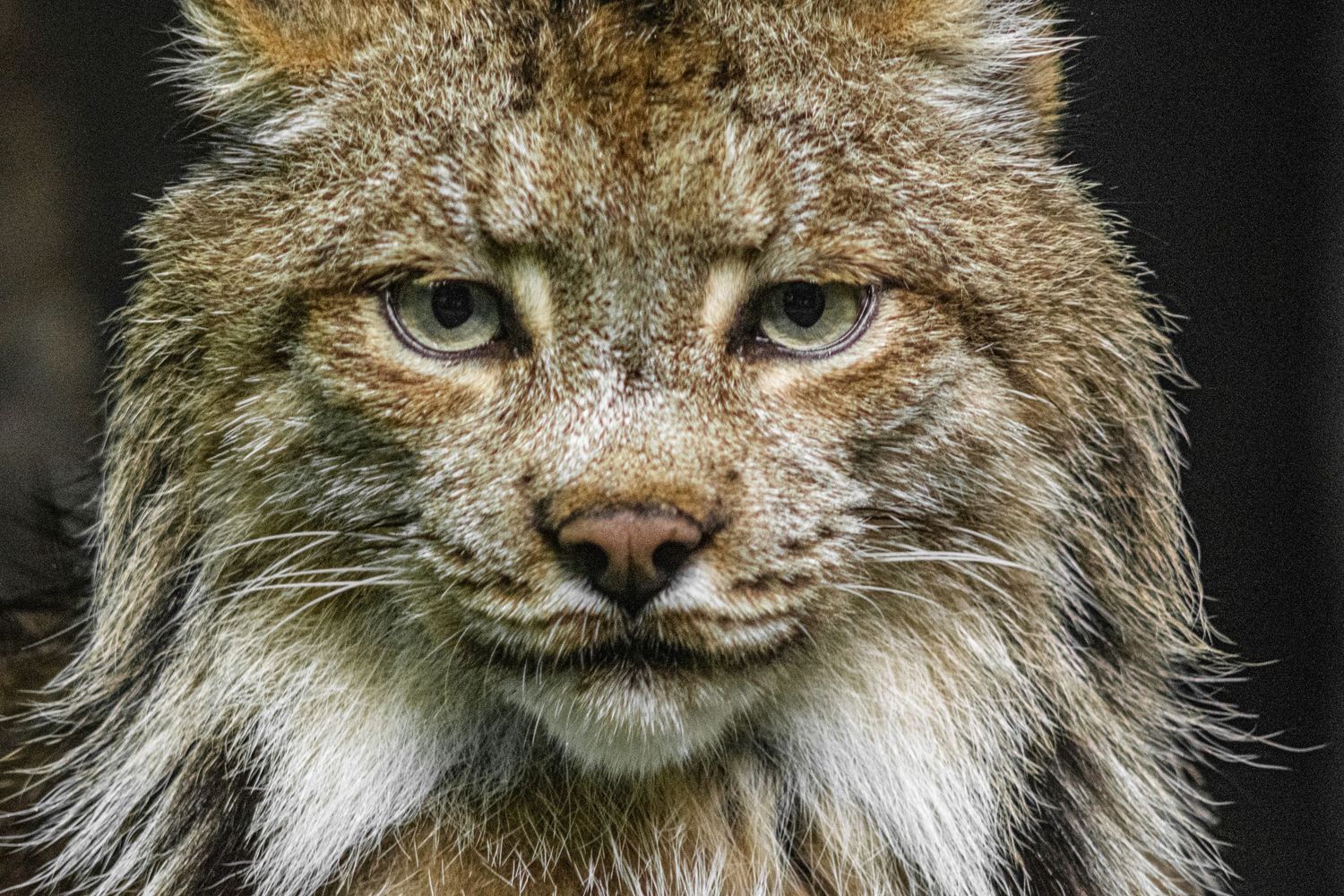
Next to the puma is a Canada lynx, which is a gorgeous tail known for its short tail and big murder mittens (paws). Lynx populations have dwindled in Minnesota, but their wildlife populations are still doing well elsewhere. Their numbers dropped to nearly zero in Minnesota in the 1980s, but have slowly been recovering, so we shall have to see what their future in the North Star state will bring.
Exiting the Zoo
We make our way into the gift shop, but nothing really catches our eye. To exit the zoo, we walk by the closed down IMAX theater and I am personally very sad to see it closed. While I haven't been to the Minnesota Zoo in years, my family used to come up to the IMAX theater to see certain movies, and now it is closed down.
We walk out to the car, all done with our day at the zoo. One day, I may be back, but it'll be a while until I'm back in Minnesota.